



A vehicle can look clean, start without hesitation, and still have a safety concern developing underneath. A brake pedal that feels slightly softer than usual, a tire losing pressure every few weeks, or a new vibration at highway speed can all be early warnings. This vehicle safety inspection guide helps Hamilton drivers recognize what deserves attention before a small issue affects confidence, reliability, or safe operation.
A quick walk-around is useful before a long trip, after a collision, or when the seasons change. It does not replace a professional inspection, especially when a warning light appears or the vehicle handles differently. It does, however, give you a practical way to spot concerns and arrange service before they become more expensive repairs.
Start With What You Can See
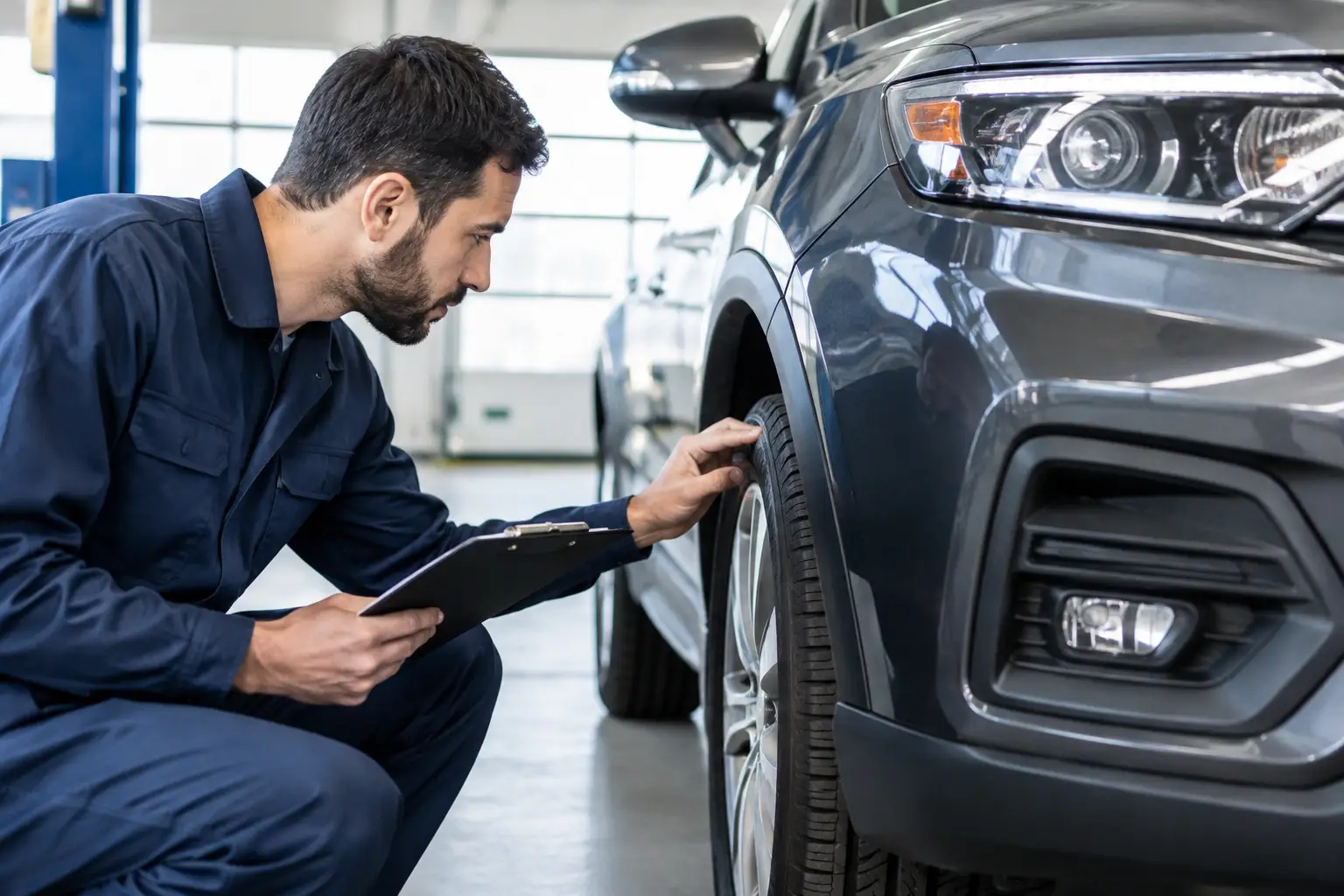
Begin with the tires. Look for visible cuts, sidewall bulges, embedded objects, uneven wear, and tread that is becoming shallow. Uneven wear can point to more than an old tire. It may indicate incorrect wheel alignment, worn suspension components, improper tire pressure, or a problem after striking a pothole or curb.
Check tire pressure when the tires are cold and use the pressure listed on the driver’s door placard, not the maximum number printed on the tire sidewall. Correct pressure supports traction, braking performance, fuel efficiency, and even tread wear. In Hamilton, changing temperatures can cause noticeable pressure changes, so this is worth checking regularly through winter and summer.
Walk around the vehicle with the lights on. Confirm that the headlights, tail lights, brake lights, turn signals, reverse lights, and licence plate lights operate properly. A burned-out bulb is simple to overlook, but it reduces visibility and can make your intentions harder for other drivers to read. Cloudy headlight lenses, cracked housings, and moisture inside a lamp should also be addressed.
Look at the windshield and other glass carefully. Small chips can spread quickly with vibration or temperature changes, particularly during Ontario winters. Make sure the windshield wipers clear the glass without streaking or skipping, and top up washer fluid with a product rated for freezing conditions when appropriate.
A Vehicle Safety Inspection Guide for Brakes and Steering
Brakes deserve prompt attention whenever something changes. Listen for grinding, scraping, or a high-pitched squeal that continues during normal braking. Notice whether the vehicle pulls to one side, takes longer to stop, shudders through the pedal, or has a pedal that feels spongy or sinks farther than normal.
Not every brake noise means the same thing. Surface rust can create brief noise after a vehicle sits in wet weather, while a persistent sound can signal worn pads, damaged rotors, seized hardware, or another issue requiring brake service. Waiting for a warning sound to become severe can turn a straightforward pad replacement into a larger repair.
Your steering should feel predictable and controlled. Excessive play in the steering wheel, clunking over bumps, a drifting vehicle, or a vibration that increases with speed should be inspected. These concerns can involve tires and wheels, alignment, suspension, steering components, or wheel bearings. A professional assessment is the right next step because several systems can produce similar symptoms.
Check Fluids, Leaks, and Under-Hood Basics
With the engine cool and parked on level ground, check the engine oil level according to the vehicle manufacturer’s procedure. Oil that is low, unusually dirty, or repeatedly dropping between services calls for attention. Do not assume topping it up solves the underlying issue. An oil leak or increased oil consumption needs a proper diagnosis.
Coolant, brake fluid, power steering fluid on applicable vehicles, and windshield washer fluid also deserve a visual check. Never open a hot cooling system. Instead, inspect the reservoir level and look for signs of leakage around the vehicle. Green, orange, pink, or yellow fluid beneath the car may be coolant depending on the product used. Dark brown or black fluid can be engine oil, while clear or light brown fluid may need further identification by a technician.
Pay attention to smells as well. A sweet smell may suggest coolant, a sharp burning odour may point to oil on a hot component, and a burning smell after braking can indicate an overheated brake. A fuel smell should never be ignored. If you suspect an active fuel leak or see smoke, stop driving when safe to do so and arrange professional assistance.
The battery is another practical checkpoint. Corrosion around the terminals, slow cranking, dimming lights, or repeated boosting can point to a battery or charging-system concern. Cold weather places added demands on batteries, and a test before winter can prevent an inconvenient no-start situation.
Listen to the Vehicle While You Drive
A road test often reveals what a parked inspection cannot. Drive without loud music occasionally and take note of sounds that are new or worsening. A humming noise that rises with road speed may be related to a tire or wheel bearing. A knock over rough pavement may involve suspension parts. A delayed shift, slipping sensation, or harsh engagement needs mechanical diagnosis rather than guesswork.
Warning lights should be treated as useful information, not decoration. A check-engine light can relate to many issues, from an emissions fault to an engine-performance problem. A flashing check-engine light is more urgent and may indicate an active misfire that can damage the catalytic converter. Brake, oil-pressure, battery, and engine-temperature warnings require prompt action, particularly if they appear with a change in vehicle performance.
If the engine temperature climbs into an unsafe range, pull over safely and shut the vehicle off. Continuing to drive an overheating vehicle can cause major engine damage. Let it cool and have the cause inspected rather than attempting to continue the trip.
After a Collision, Inspect More Than the Paint
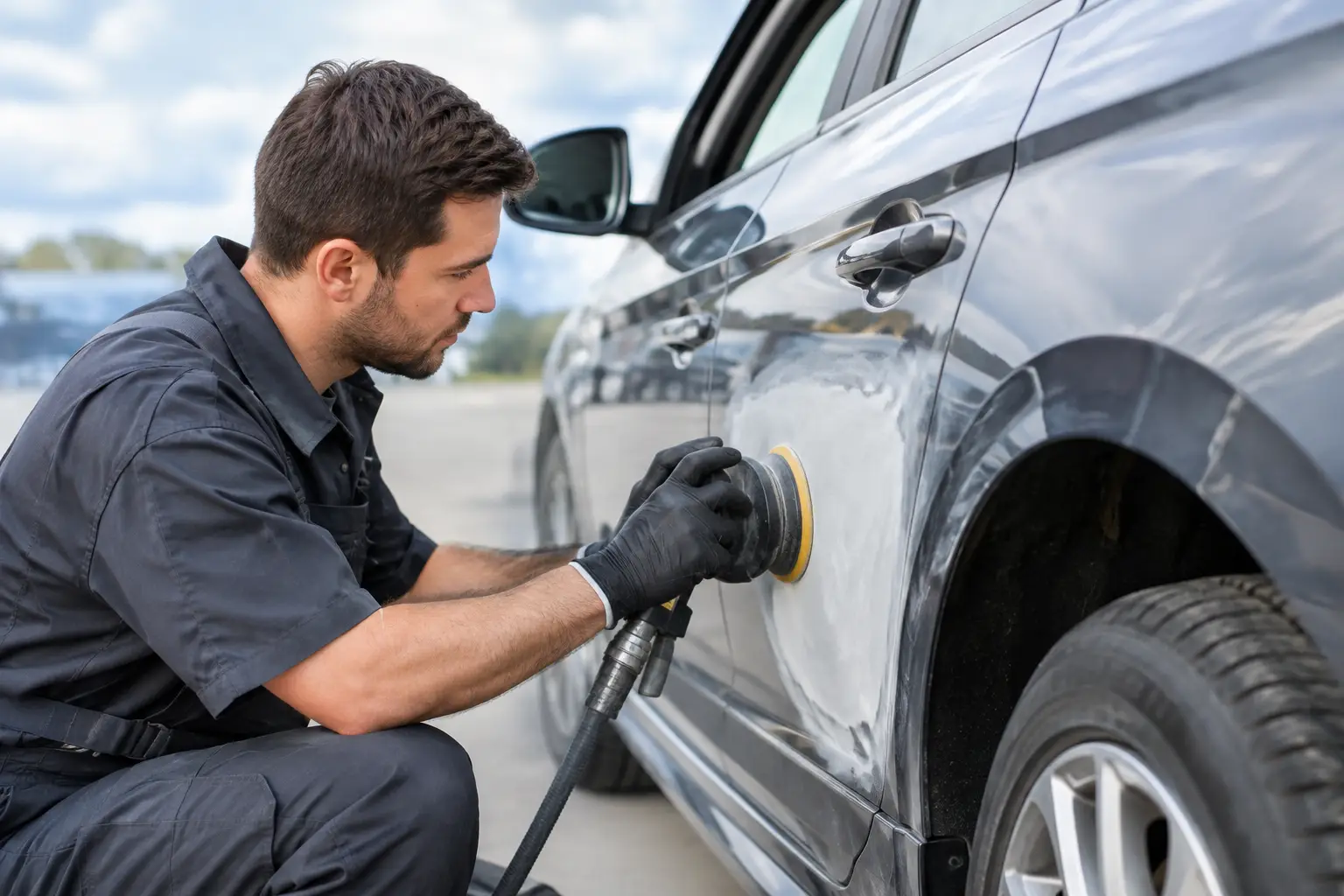
Even a low-speed collision can affect more than the bumper cover or a visible dent. Damage behind a panel can involve brackets, sensors, lighting, cooling components, wheel alignment, suspension parts, or safety systems. A vehicle that appears drivable may still need a detailed inspection before it is truly road-ready.
Pay particular attention to new steering pull, warning lights, fluid leaks, a hood or trunk that no longer closes correctly, damaged lights, or tire contact with body panels. Modern vehicles may also have cameras, radar units, and other driver-assistance components that require accurate repair and calibration after collision work.
This is where complete collision repair matters. Appearance should be restored, but safe operating performance is the standard that protects the driver, passengers, and everyone else sharing the road.
When a Professional Inspection Is the Better Choice
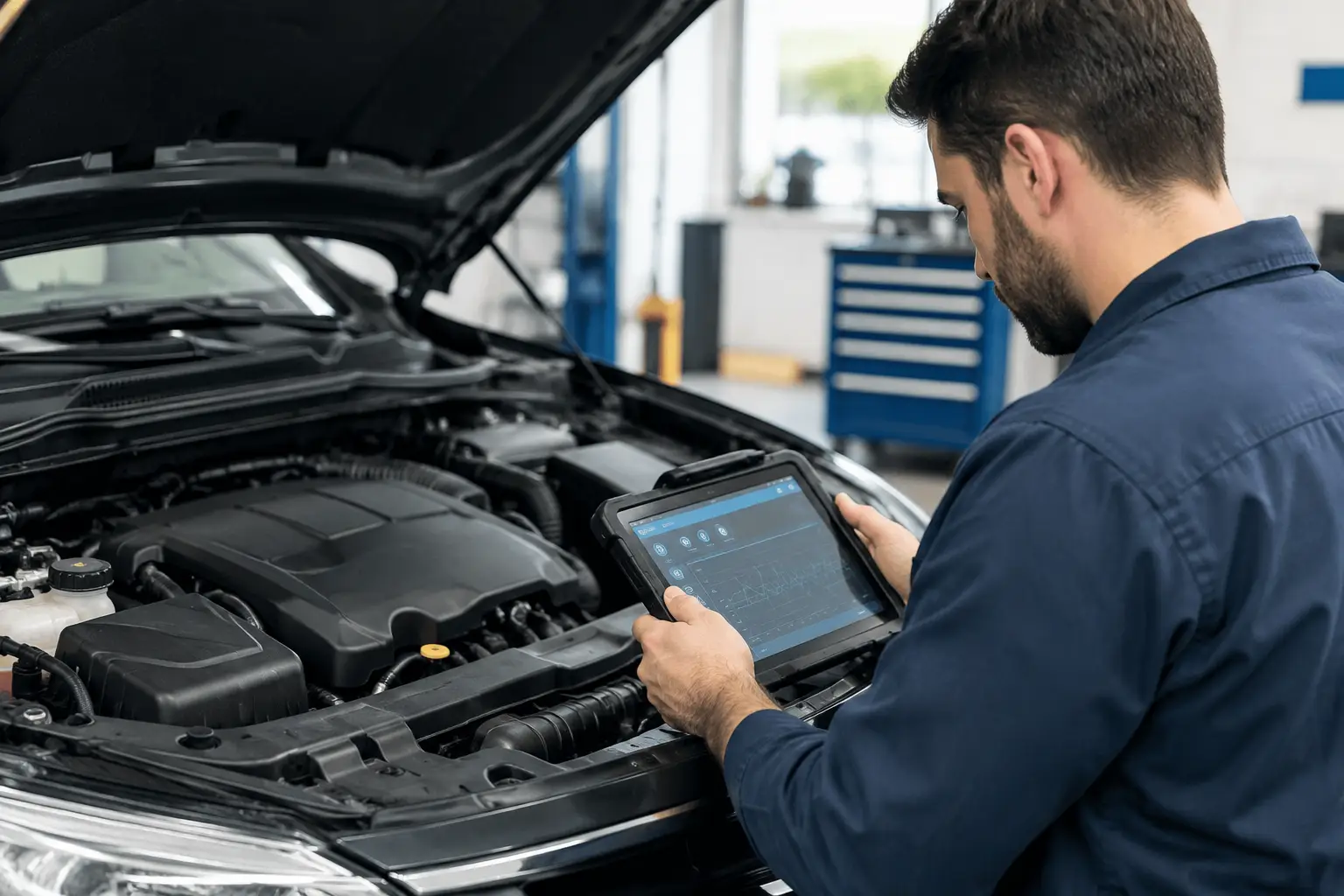
A home check is a strong habit, but some work requires proper equipment and experienced judgment. Brake measurements, suspension wear, wheel-bearing checks, diagnostic scanning, fluid-leak tracing, and structural collision assessments cannot be confirmed reliably from a driveway.
It is wise to schedule an inspection before a long road trip, when buying a used vehicle, after a significant pothole impact, before winter, or whenever you notice a change in the way your vehicle drives. Commercial and fleet vehicles may need more frequent attention because daily mileage, loads, and stop-and-go operation place greater demands on tires, brakes, and mechanical systems.
For more than 20 years, ASC Auto Body & Sales has helped Hamilton vehicle owners address collision damage, maintenance needs, and mechanical concerns with precision-focused service. Whether the issue is a cracked windshield, brake concern, warning light, or post-accident damage, early inspection gives you more repair options and greater confidence behind the wheel.
A safe vehicle is not defined by one inspection sticker or one good drive. Keep noticing the small changes, act on them early, and give your vehicle the professional attention it needs to keep carrying you safely through every season.