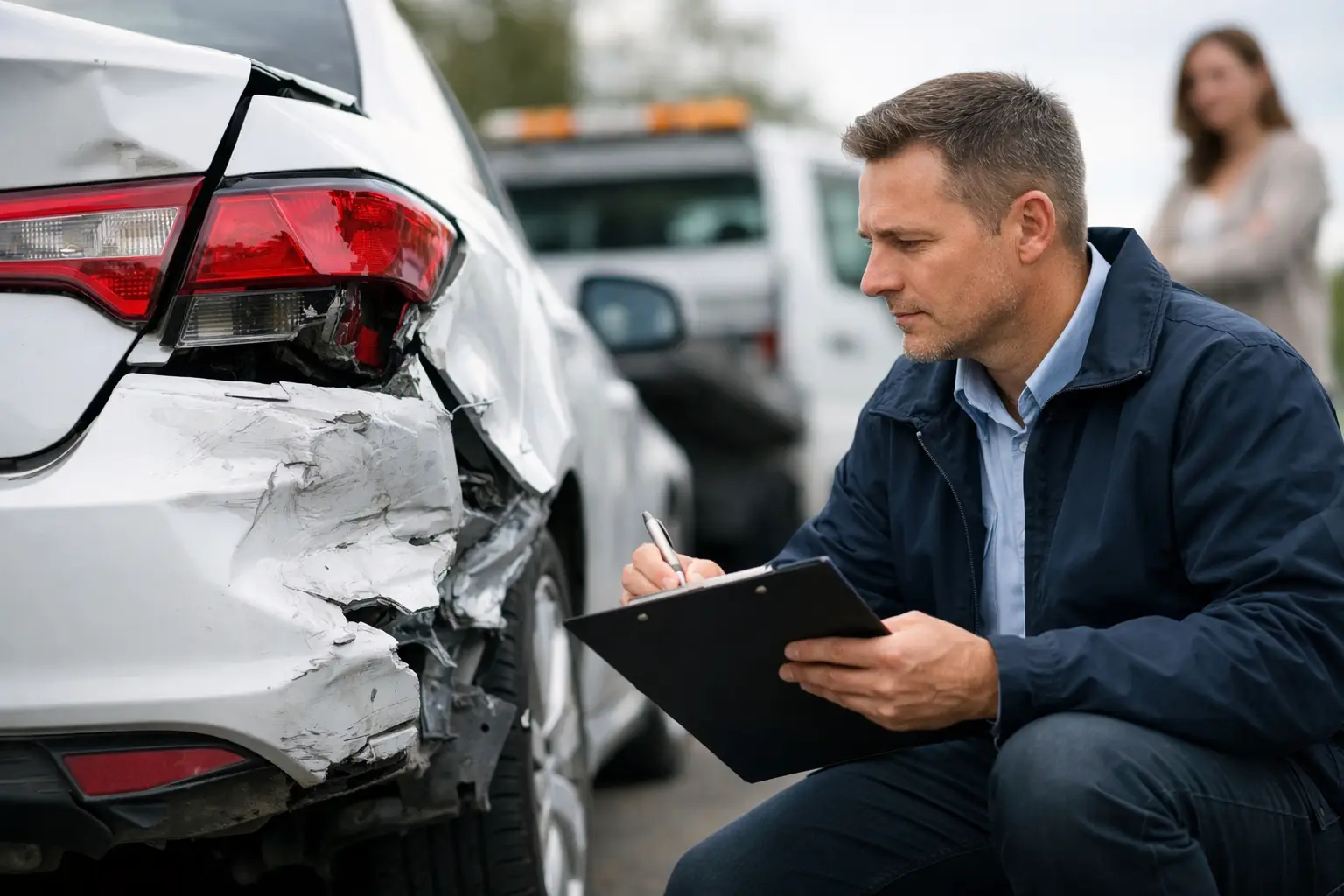
A damaged bumper, cracked headlight, or scrape along the door can make an accident look straightforward. A proper collision damage assessment often tells a different story. Behind an exterior panel may be broken mounting points, damaged sensors, misaligned components, or safety-related issues that need attention before the vehicle is ready for Hamilton roads again.
The purpose of an assessment is not simply to put a price on repairs. It is the process of identifying what was affected, determining how the damage should be repaired, and building a plan that restores both appearance and safe operating performance.
What a Collision Damage Assessment Looks For
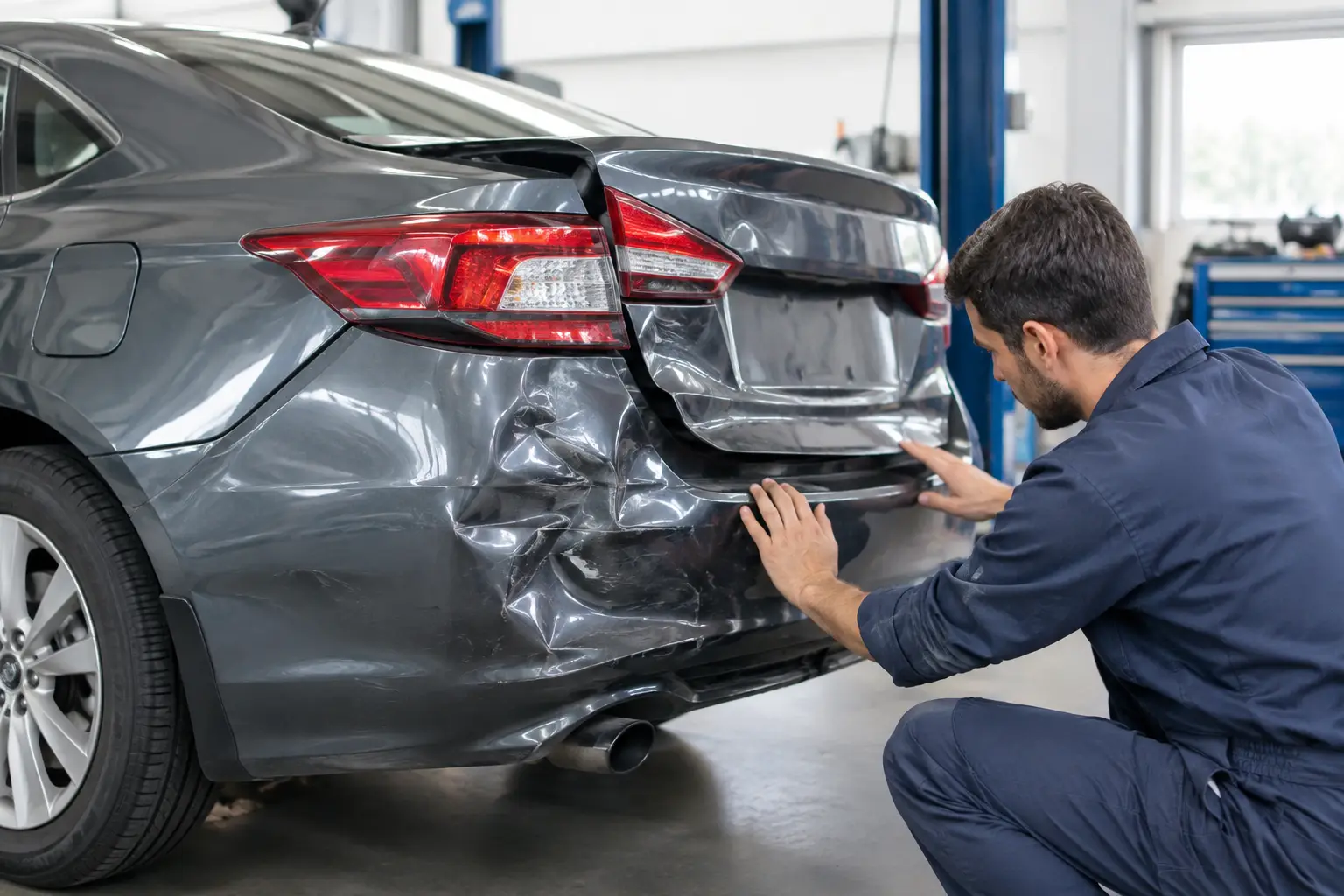
An experienced technician begins with the visible evidence. This includes dents, scratches, cracked paint, damaged glass, loose trim, panel gaps, fluid leaks, and signs that doors, the hood, or the trunk no longer open and close as they should. Photos and vehicle details are documented to create a clear starting point for the repair estimate and, where applicable, an insurance claim.
That first look is only one part of the process. Modern vehicles are built with layers of components beneath the finish. A low-speed impact can affect bumper reinforcements, brackets, absorbers, wiring, wheel-house liners, cooling parts, and parking sensors even when the outside damage appears minor.
The assessment also considers how the vehicle drives. A steering wheel that sits off-centre, new vibration, pulling during braking, warning lights, uneven tire wear, or unusual noises can point to damage beyond the body panels. These concerns may require mechanical inspection, wheel alignment checks, brake service, or diagnostic testing alongside collision repair.
Visible Damage Is Not Always the Full Story
A bumper cover can often be repaired or replaced based on what is visible. The components behind it may not be fully accessible until the vehicle is disassembled. For this reason, a preliminary estimate can change after repair work begins.
This is not a sign that the first assessment was careless. It is a normal part of accurate collision work. Once damaged panels, liners, or trim are removed, technicians can inspect hidden areas and identify additional required repairs. If more damage is found, the repair facility documents it and prepares a supplement for approval before proceeding.
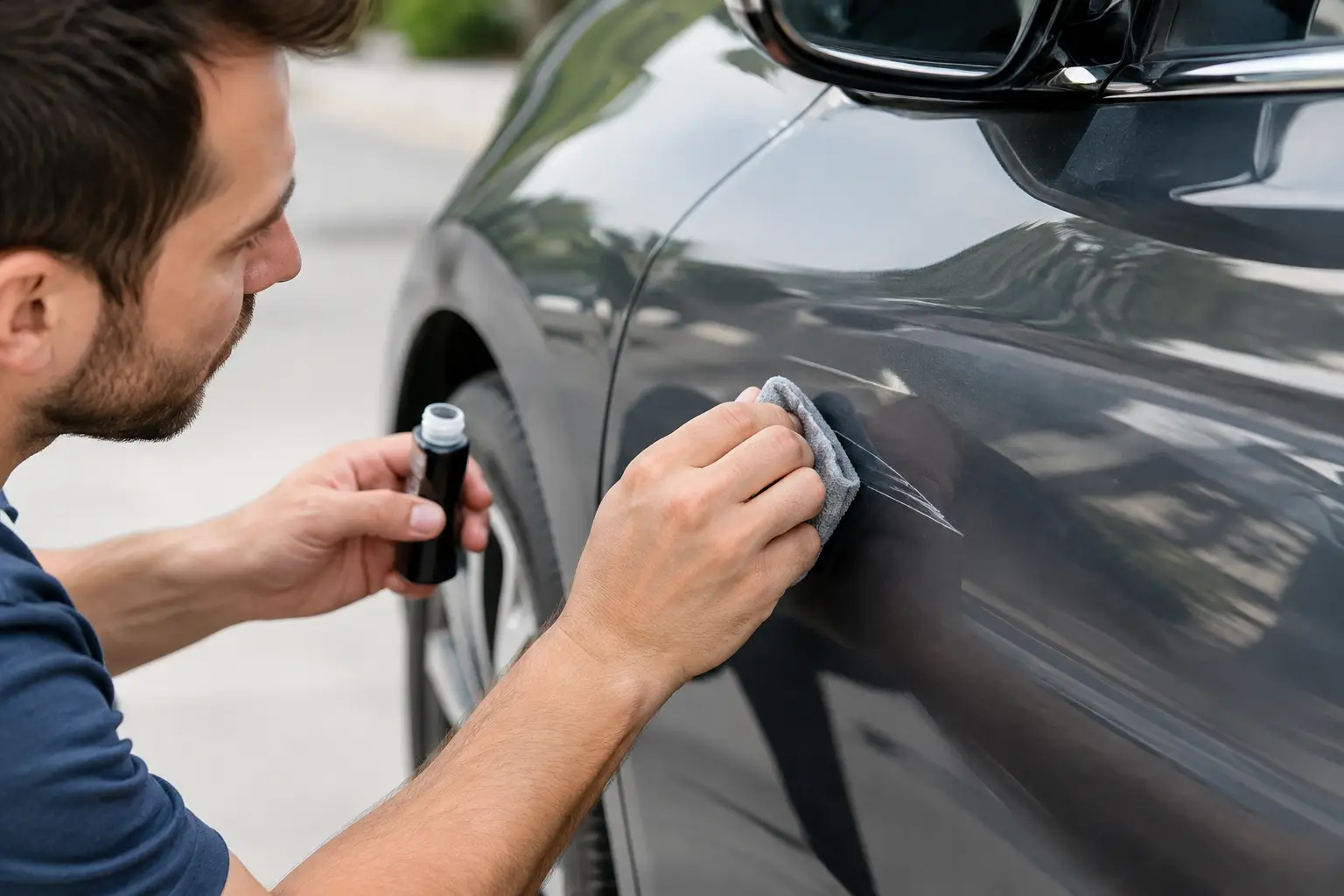
The same principle applies to paint damage. A scratch may look cosmetic, but if it has cut through the clear coat and colour coat to bare metal, it can create conditions for corrosion. Repairing it properly may involve surface preparation, bodywork, primer, refinishing, and colour matching rather than a quick touch-up.
Safety Systems Need Special Attention
Many late-model vehicles rely on advanced driver-assistance systems. Cameras, radar sensors, blind-spot monitors, parking sensors, lane-assist features, and collision-warning systems may be positioned in bumpers, mirrors, windshields, grilles, or behind emblems.
After a collision, these systems need more than a visual check. A damaged sensor mount, altered bumper position, windshield replacement, or wheel alignment issue can affect how a system performs. Depending on the vehicle and the repair completed, scanning and calibration may be required to confirm that safety features are functioning as intended.
This work adds time and cost in some cases, but it is not an area to treat as optional. The goal is to return the vehicle with its safety equipment addressed as part of the overall repair plan, not merely with a clean exterior finish.
How Technicians Build an Accurate Repair Plan
A thorough collision damage assessment combines hands-on inspection with manufacturer repair information, measurements, and diagnostic tools. Technicians determine whether a panel can be safely repaired, whether it should be replaced, and what related parts or procedures are required.
The decision is rarely based on appearance alone. A shallow dent in a steel door may be repairable with precision bodywork. A sharply creased panel, damaged structural area, torn metal, or compromised mounting surface may call for replacement. Aluminium panels, plastic bumper covers, and high-strength steel components each require the correct repair method and equipment.
For more significant impacts, structural measurements can verify whether the vehicle’s underlying geometry is within specification. This is particularly important around frame rails, suspension mounting points, unibody sections, and front or rear impact areas. A vehicle can look acceptable from the outside while still needing correction to restore proper alignment and predictable handling.
Parts selection is another practical discussion. Original equipment manufacturer parts, aftermarket parts, recycled parts, and reconditioned components can each have a place depending on the vehicle, the insurer’s guidelines, availability, budget, and repair requirements. The right choice depends on fit, function, safety, and the specific vehicle – not simply the lowest initial price.
Information That Helps the Assessment
After an accident, clear information helps the repair process move more efficiently. Bring your insurance details if you are opening a claim, along with the claim number if one has already been assigned. Photos from the scene can also be useful, especially when they show the angle of impact or damage that may no longer be obvious.
Tell the technician about any changes you have noticed since the collision. Mention warning lights, leaks, trouble starting, pulling, vibration, braking concerns, glass damage, or features that no longer work correctly. Even small details can help direct the inspection toward an issue that is not visible during an initial walk-around.
If the vehicle is not safe to drive, do not attempt to bring it in simply for an estimate. Damaged lights, loose body panels, compromised tires, steering concerns, leaking fluids, deployed airbags, or overheating can make driving risky. Arrange appropriate towing and have the vehicle inspected before returning it to service.
Why Repair Quality Matters After an Estimate Is Approved
An estimate is the beginning of the repair, not the finish line. The quality of the completed work depends on proper disassembly, repair procedures, parts fitment, corrosion protection, refinishing, reassembly, calibration where required, and final quality checks.
Paint and refinishing work deserves particular care. Colour can vary with vehicle age, sun exposure, factory production differences, and previous repairs. Professional refinishing involves more than applying a close colour match. The surface must be prepared correctly, and adjacent panels may need blending to create a consistent appearance under changing light.
Mechanical and body repairs should also work together. For example, front-end collision damage may involve a bumper repair, headlight replacement, radiator support inspection, wheel alignment, sensor calibration, and diagnostic checks. Handling those needs as one coordinated repair plan helps avoid a vehicle that looks repaired but still has unresolved performance or safety concerns.
For more than 20 years, ASC Auto Body & Sales has helped Hamilton drivers move from the uncertainty after an accident to a clear, professional repair path. Skilled collision work is built on careful assessment, honest communication, and the precision needed to restore confidence behind the wheel.
Questions to Ask Before Repairs Begin
A good repair conversation should leave you with a clear understanding of what has been found and what may still be discovered during disassembly. Ask whether the estimate includes diagnostic scans, structural checks, refinishing steps, glass work, alignment, and calibration where needed. It is also reasonable to ask how additional hidden damage will be documented and communicated.
You can also ask about expected repair timing, but keep in mind that timing depends on parts availability, insurer approvals, the extent of damage, and whether supplements are needed. A reliable shop will provide realistic updates rather than promising a completion date before the full scope of work is known.
The best next step after any collision is to have the vehicle assessed before minor-looking damage becomes a larger concern. A careful inspection gives you the information to make sound decisions, protect your claim process, and put your vehicle back on the road with confidence.