



A low-speed rear-end collision can leave a vehicle looking like it needs only a bumper cover. The real story is often behind that visible damage. This rear end repair case study follows a typical Hamilton repair scenario and shows why a careful inspection, accurate measurements, and proper refinishing matter just as much as the final appearance.
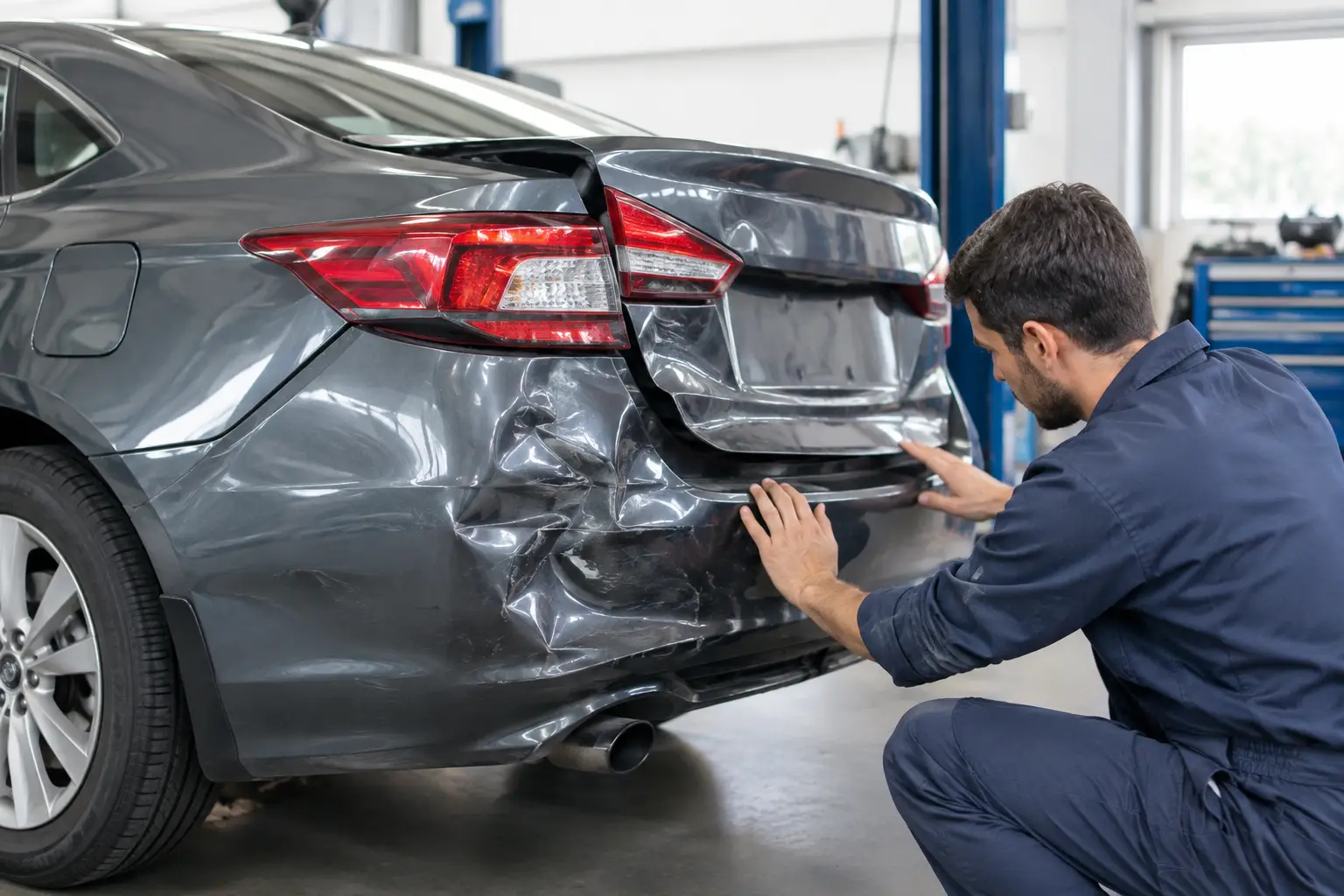
The vehicle in this example was a late-model commuter SUV struck while stopped at a traffic light. The driver could still open the liftgate, the rear lights were working, and the bumper had not fallen away. At first glance, the damage seemed limited. The bumper cover was scuffed and split near one corner, with a shallow dent across the lower section.
Once the vehicle arrived at the shop, a closer assessment told a different story. The rear bumper reinforcement had absorbed energy, the foam absorber was compressed, and one mounting point had shifted. There was also slight distortion around the rear body panel. None of these issues should be guessed at from the parking lot. They need to be identified before repair work begins.
What a rear-end impact can damage
A bumper is designed to manage impact energy, but it is not a single part. Modern rear assemblies can include the painted cover, energy absorber, reinforcement bar, brackets, sensors, cameras, wiring, lights, liftgate components, exhaust clearance areas, and structural panels behind the bumper.
In this case, the external cover made the damage easy to see, but the concealed components were more important to the repair plan. The reinforcement bar was no longer suitable for reuse, even though it had not visibly cracked. A component that has bent or absorbed impact energy may not offer the same protection in a future collision.
The technician also checked panel gaps around the liftgate and rear quarter panels. Consistent gaps are more than a cosmetic detail. They can indicate whether the impact moved a mounting point or affected the rear body structure. Small changes can create problems later, including water leaks, wind noise, liftgate alignment concerns, or uneven bumper fit.
The inspection comes before the estimate
A professional collision estimate is built from evidence, not assumptions. The SUV was inspected for visible damage first, then the rear bumper assembly was removed to expose the components underneath. This allowed the repair team to document the full condition of the vehicle and prepare an accurate plan for the owner and insurer.
The inspection included a check of the rear body panel, bumper mounts, reinforcement bar, absorber, wiring harnesses, lamp housings, exhaust position, and parking sensor locations. The team also reviewed the operation of the liftgate and checked whether any warning lights or driver-assistance alerts appeared on the dash.
This is where repair quality can vary significantly. Replacing a painted bumper cover without checking what sits behind it may make a vehicle look better quickly, but it does not necessarily return it to safe operating condition. Conversely, not every rear impact requires structural repair. The correct approach depends on the force and direction of the hit, the vehicle design, and the findings after disassembly.
Why calibration may be part of the job
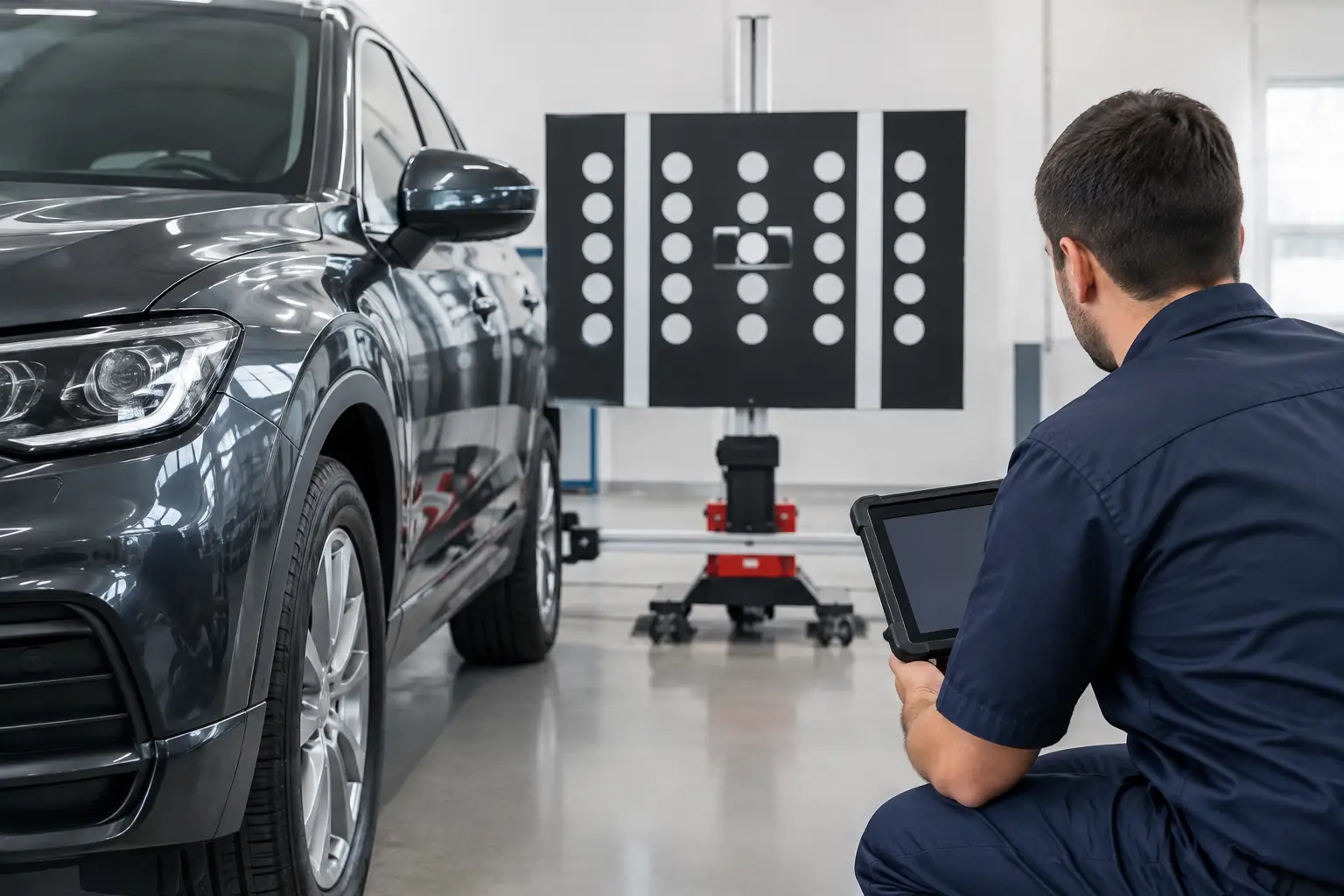
Many newer vehicles use rear parking sensors, blind-spot monitoring, cross-traffic alerts, or backup cameras. A collision can damage a sensor, alter its position, or affect its mounting angle. If parts are replaced or removed, the vehicle may require scanning, aiming, or calibration according to manufacturer procedures.
For this SUV, the parking sensors remained physically intact, but one sensor bracket was damaged. Reusing it could have caused poor fitment or unreliable sensor readings. The bracket was replaced, and the system was checked after reassembly. This added time to the repair, but it protected the driver from leaving with a feature that looked normal yet did not function as intended.
The repair plan: replace, repair, and refinish
The final repair plan involved replacing the rear bumper cover, reinforcement bar, absorber, damaged brackets, and one sensor bracket. The rear body panel did not require replacement, but it needed controlled metal finishing to restore its shape and ensure the new bumper components would mount correctly.
This is an area where experienced judgment matters. Replacing every part is not automatically the best repair, and repairing every part is not automatically the most cost-effective choice. A precision-focused technician considers safety requirements, manufacturer guidance, part availability, material condition, and the long-term quality of the result.
Once the rear body panel was corrected, the team test-fitted the new components before paint work began. This step helps confirm that the bumper sits evenly, the liftgate opens without interference, the lights align properly, and the panel gaps are consistent. It is much easier to correct a fitment issue before refinishing than after the final clear coat has cured.
Paint matching is not just choosing a colour code
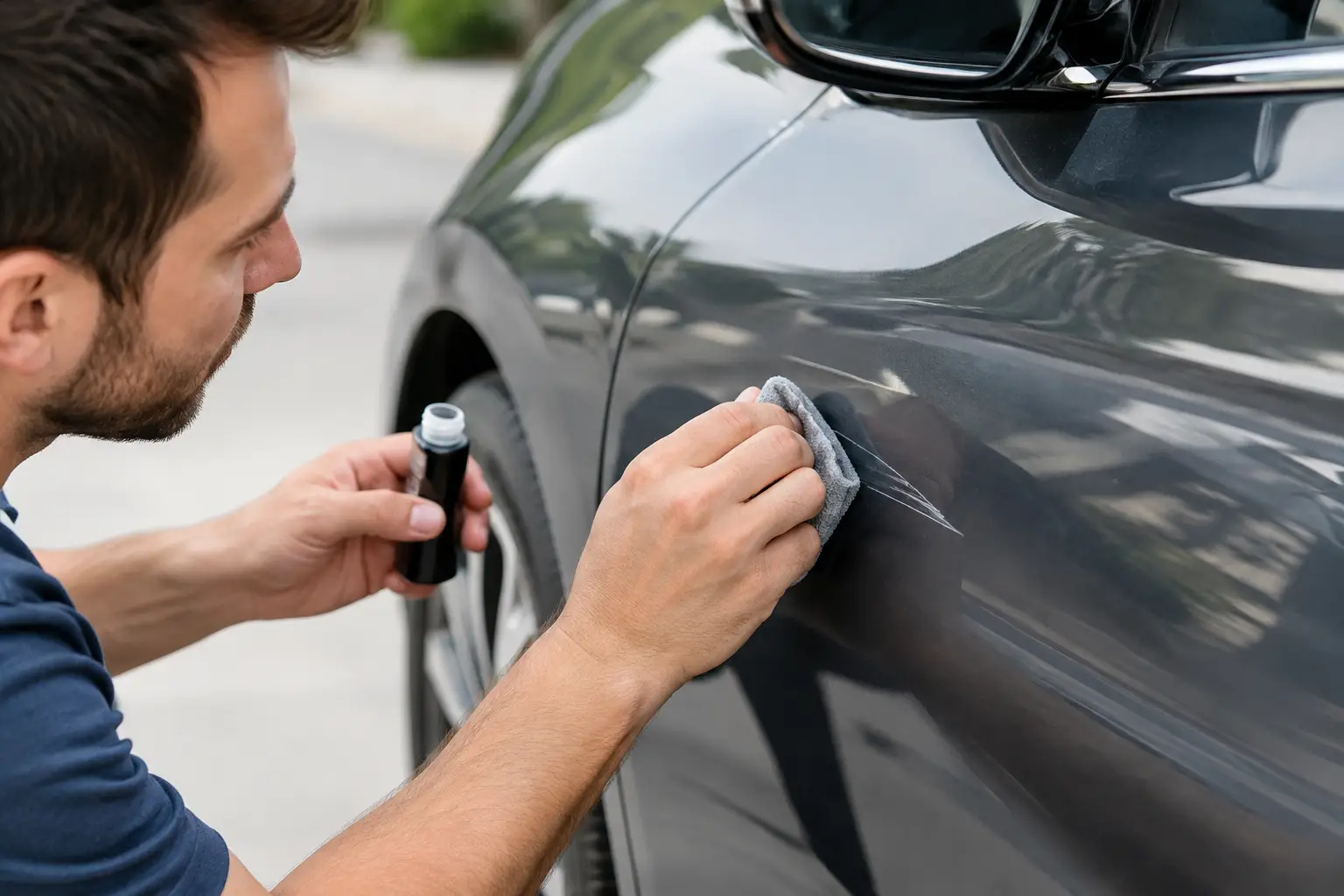
The SUV’s paint was a metallic grey, a common colour that can still be challenging to match. Paint codes identify the original factory formula, but real-world conditions affect how a finish appears. Age, sunlight, road film, prior repairs, and the angle of metallic flakes can all create variation.
The refinishing process began with proper surface preparation, primer where required, and colour testing. The technician compared spray-out cards against the vehicle under suitable lighting before applying the selected formula. Adjacent panels were blended as needed to create a consistent transition rather than leaving a noticeable difference at the edge of the new bumper.
A quality refinish should restore more than shine. It should provide proper coverage, adhesion, texture, and durability. Rushing preparation or applying paint over poorly repaired surfaces can lead to visible imperfections, premature peeling, or a finish that does not hold up through Ontario weather.
Reassembly and quality control
After refinishing and curing, the bumper assembly was reinstalled with the replacement components. The repair team checked clips, fasteners, sensor connections, lamp operation, liftgate movement, and bumper alignment. A post-repair scan confirmed there were no related fault codes, and the parking-assist system was tested.
The final quality-control inspection focused on both function and appearance. The bumper needed to sit squarely against the quarter panels. The liftgate had to close smoothly. The rear lights had to be secure, and every repaired area had to meet the standard expected of a like-new finish.
For the owner, the result was straightforward: the SUV looked restored, the safety-related components behind the bumper had been addressed, and the rear features operated properly. The work was not defined by how quickly a new bumper cover went on. It was defined by whether the vehicle was returned to the road with the right repairs completed.
What drivers should do after a rear-end collision
If you have been rear-ended, take clear photos of the damage and note any changes in how the vehicle drives or operates. Pay attention to warning lights, a liftgate that sticks, a trunk that will not latch, loose bumper sections, broken lights, sensor alerts, fluid leaks, or exhaust noise. Even if the vehicle appears drivable, avoid assuming the damage is cosmetic.
Start the insurance claim process when appropriate, then arrange a professional collision inspection. A complete assessment gives you a clearer understanding of the work required and helps prevent overlooked damage from becoming a larger concern later. If your vehicle has sensors, cameras, or advanced driver-assistance features, ask how those systems will be inspected and verified after repair.
At ASC Auto Body & Sales, Hamilton drivers can rely on experienced technicians for collision repair that considers the visible damage, the hidden components, and the safe performance of the vehicle as a whole. After any rear impact, the best next step is a careful inspection by a repair team that treats precision as part of the repair, not an optional extra.