



A scratch that catches your fingernail is more than an appearance issue. It may have cut through the clear coat and paint, leaving metal exposed to moisture, road salt, and corrosion. For Hamilton drivers, choosing the right car scratch repair methods early can protect both the vehicle’s finish and its long-term value.
The right repair is not always the fastest or least expensive option. It depends on how deep the damage is, where it sits on the panel, the vehicle’s paint colour, and whether there is hidden denting beneath the scratch. A careful assessment prevents a temporary cosmetic fix from becoming a larger bodywork repair later.
Start by Identifying the Scratch Depth
Modern vehicle paint is built in layers. The clear coat provides gloss and UV protection, the colour coat creates the visible finish, primer supports paint adhesion, and the metal or plastic panel sits underneath. A scratch can affect one layer or several.
Light marks in the clear coat often look white or hazy, especially on dark-coloured vehicles. They may come from branches, shopping carts, improper washing, or grit caught in a sponge. These can frequently be corrected without repainting.
A deeper scratch that shows a different colour beneath the surface has likely reached the base coat or primer. If you can see bare metal, the repair becomes more urgent. Metal panels can begin oxidizing once water and salt reach the exposed area. On plastic bumpers, rust is not a concern, but the damaged paint still needs proper preparation and refinishing to look right and stay protected.
One simple check is the fingernail test. Gently run a clean fingernail across the mark. If it does not catch, paint correction may be possible. If it catches, polishing alone will not remove it safely.
Car Scratch Repair Methods for Light Damage
Washing and decontamination
Before deciding a panel is scratched, wash it properly. Road film, rubber transfer, tree sap, and paint from another object can resemble a scratch. Use a pH-balanced automotive wash, clean microfiber materials, and adequate water. Avoid household cleaners or abrasive pads, which can dull clear coat and create more damage.
A professional inspection can distinguish transferred material from actual paint loss. In some cases, carefully removing contamination restores the appearance without any paint repair at all.
Machine polishing and paint correction
For clear-coat scuffs, controlled polishing is often the best answer. A technician uses the appropriate compound, polish, pad, and machine settings to level a very small amount of surrounding clear coat. The goal is to reduce or remove the visible mark while retaining enough clear coat to preserve the panel.
This is a precision process, not simply rubbing harder. Excessive polishing can thin the clear coat, create haze, or expose the colour coat. It also cannot fix a scratch that has already cut through the paint. When done correctly, however, paint correction can bring back gloss and make light wash marks and scuffs far less visible.
Touch-up paint for small chips
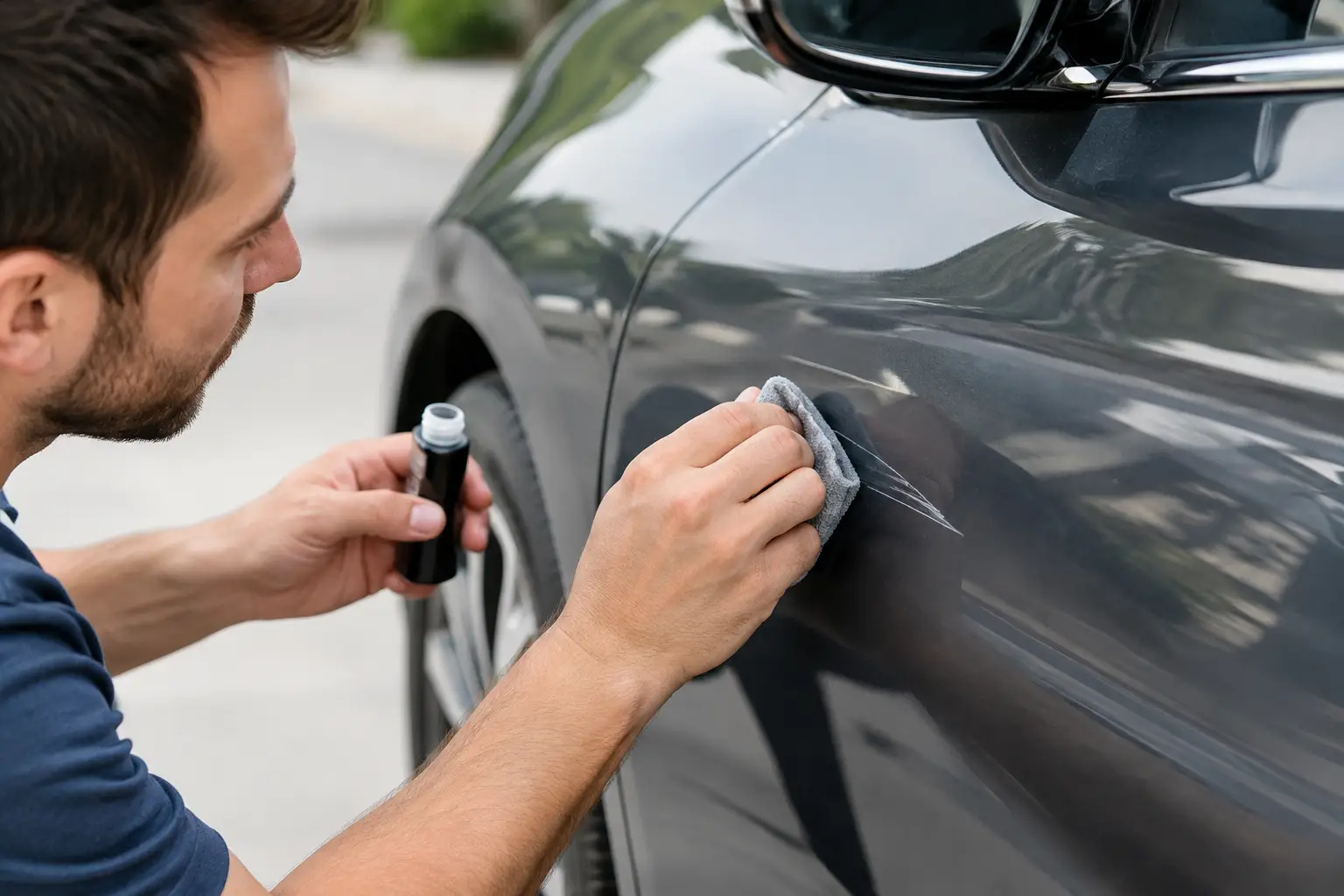
Touch-up paint can be useful for very small stone chips and narrow scratches that reach the colour layer. Its primary value is protection. By covering exposed primer or metal, it limits the path for moisture to enter.
The trade-off is appearance. Factory paint is matched by code, but age, sun exposure, and surrounding-panel fading can affect how a touch-up spot looks. Brush-on products can also leave raised edges if too much paint is applied. For a small chip on a lower panel, that may be an acceptable practical repair. On a highly visible hood, door, or quarter panel, a professional blend usually produces a better result.
When Scratch Repair Requires Refinishing
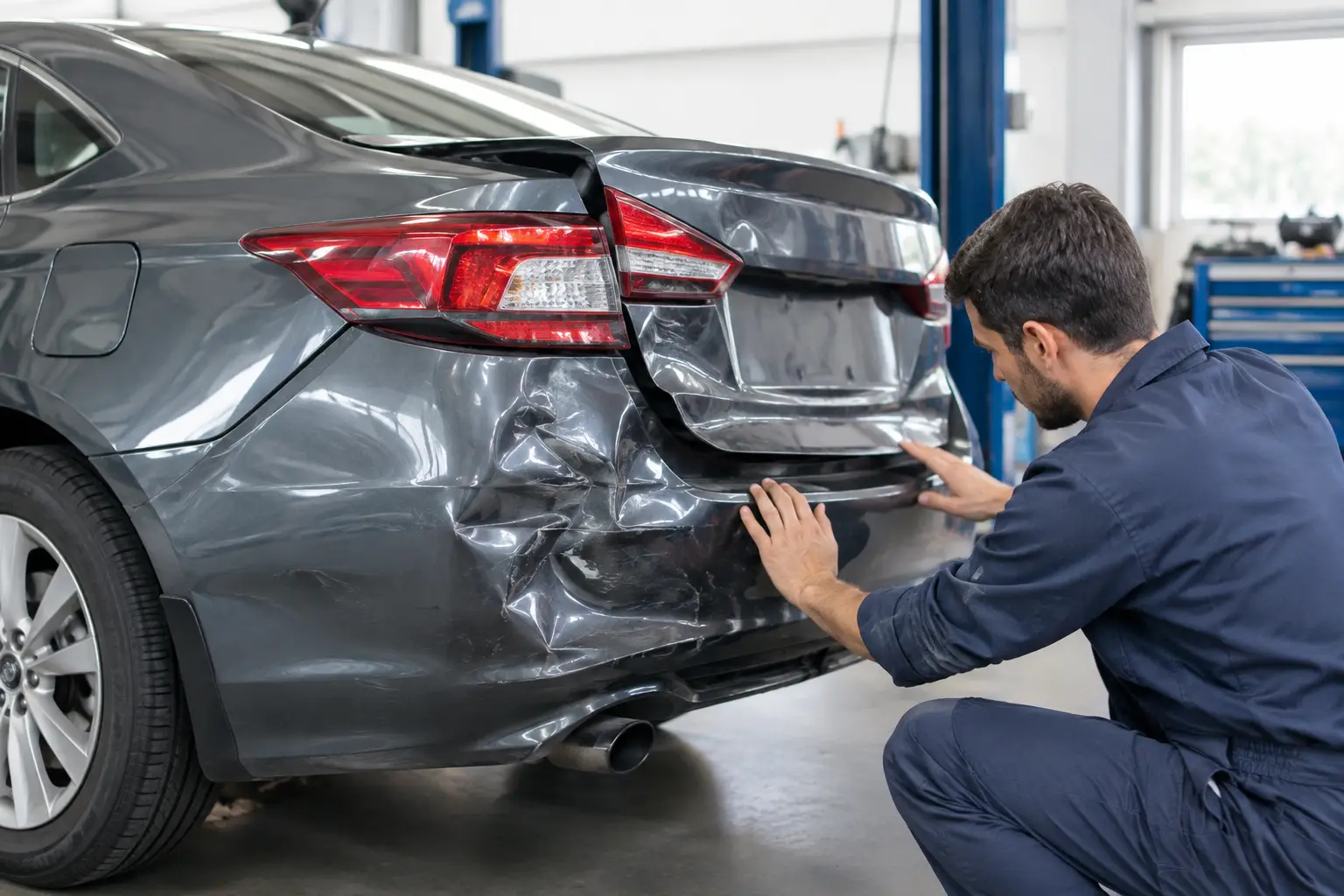
Deep scratches, widespread paint damage, and scratches paired with dents generally require body-shop repair. The damaged area must be cleaned, sanded, stabilized, primed where needed, painted, and clear-coated. If a panel is dented, the metal or plastic must be restored before refinishing begins.
Colour matching is one of the most important parts of the work. A vehicle’s paint code is only the starting point. Paint can vary by production batch and change over time. Professional refinishing accounts for these variations and may blend colour into adjacent panels so the repaired area transitions naturally under daylight, garage lighting, and different viewing angles.
This matters particularly with metallic, pearl, tri-coat, and matte finishes. These colours reflect light differently depending on spray technique and panel orientation. A quick spot repair may look acceptable in one light but stand out clearly in another. A proper repair takes more time, but it protects the vehicle’s overall appearance.
Why DIY Products Have Limits
Scratch-removal kits, coloured waxes, and paint pens have a place for minor damage, especially when the goal is short-term protection. They are not a replacement for collision repair or professional refinishing when paint is missing, corrosion has started, or a panel is distorted.
DIY sanding is particularly risky. Sandpaper that is too aggressive, a dry sanding technique, or uneven pressure can turn a small scratch into a larger repair area. Clear coat repair sprays can also leave texture, overspray, and poor adhesion if the surface is not prepared correctly.
There is also a safety and resale consideration. Damage near sensors, cameras, door edges, wheel arches, or structural panel seams deserves professional attention. What appears to be a simple scratch may be connected to bumper damage, a misaligned panel, or compromised paint protection in an area exposed to road spray.
Protecting a Freshly Repaired Finish
Once a scratch has been repaired, a few good habits help preserve the result. Wash with clean microfiber mitts and dry with clean towels rather than old rags. Keep distance from gravel trucks where possible, and remove bird droppings, tree sap, and bug residue promptly because they can etch or stain the finish.
For professionally repainted panels, follow the shop’s aftercare advice. Fresh paint needs time to cure, and the correct waiting period for waxes, sealants, or coatings can vary. Automated car washes with stiff brushes are best avoided, particularly when a vehicle has recently been refinished.
Parking choices also make a difference. Leaving room beside other vehicles, avoiding tight spaces near carts, and being cautious around shrubs and low branches can prevent many of the scratches that arrive at a body shop. No finish is immune to damage, but sensible care reduces repeat repairs.
Choosing a Repair Shop in Hamilton
A reliable repair shop should explain what the damage has reached and why a particular method is recommended. Ask whether the scratch can be polished, whether touch-up will protect it adequately, and whether the repair requires panel painting or blending. Clear answers help you compare a cosmetic shortcut with a repair designed to last.
For insurance-related damage, documentation and repair planning are equally important. Even a scrape that seems minor can involve a dented bumper cover, cracked mounting tabs, or hidden damage behind the visible paint. An experienced collision facility can assess the full condition of the panel and help you understand the repair scope before work begins.
With more than 20 years of local experience, ASC Auto Body & Sales provides precise scratch, dent, collision, and refinishing work for drivers who want their vehicles to look right and remain road-ready. Whether the damage is a light surface scuff or a deep scrape through the paint, a professional evaluation can save time, protect the finish, and prevent corrosion from spreading.
A scratch does not need to define your vehicle. Address it while the damage is still manageable, choose a repair method that suits its depth and location, and give the finish the care it needs to stay looking like it should.