
A vehicle rarely chooses a convenient moment to reveal a problem. A weak battery shows itself on a cold Hamilton morning, worn tires become obvious in heavy rain, and neglected brakes can turn a normal commute into a safety concern. The best vehicle maintenance checks help catch those issues early, protecting your family, your vehicle’s value, and your confidence behind the wheel.
Routine maintenance is not only about preventing breakdowns. It also helps your vehicle handle, stop, use fuel, and perform the way it was designed to. Some checks are simple enough to make part of your monthly routine. Others require the trained eye, equipment, and experience of a professional technician.
The Best Vehicle Maintenance Checks Start With Tires
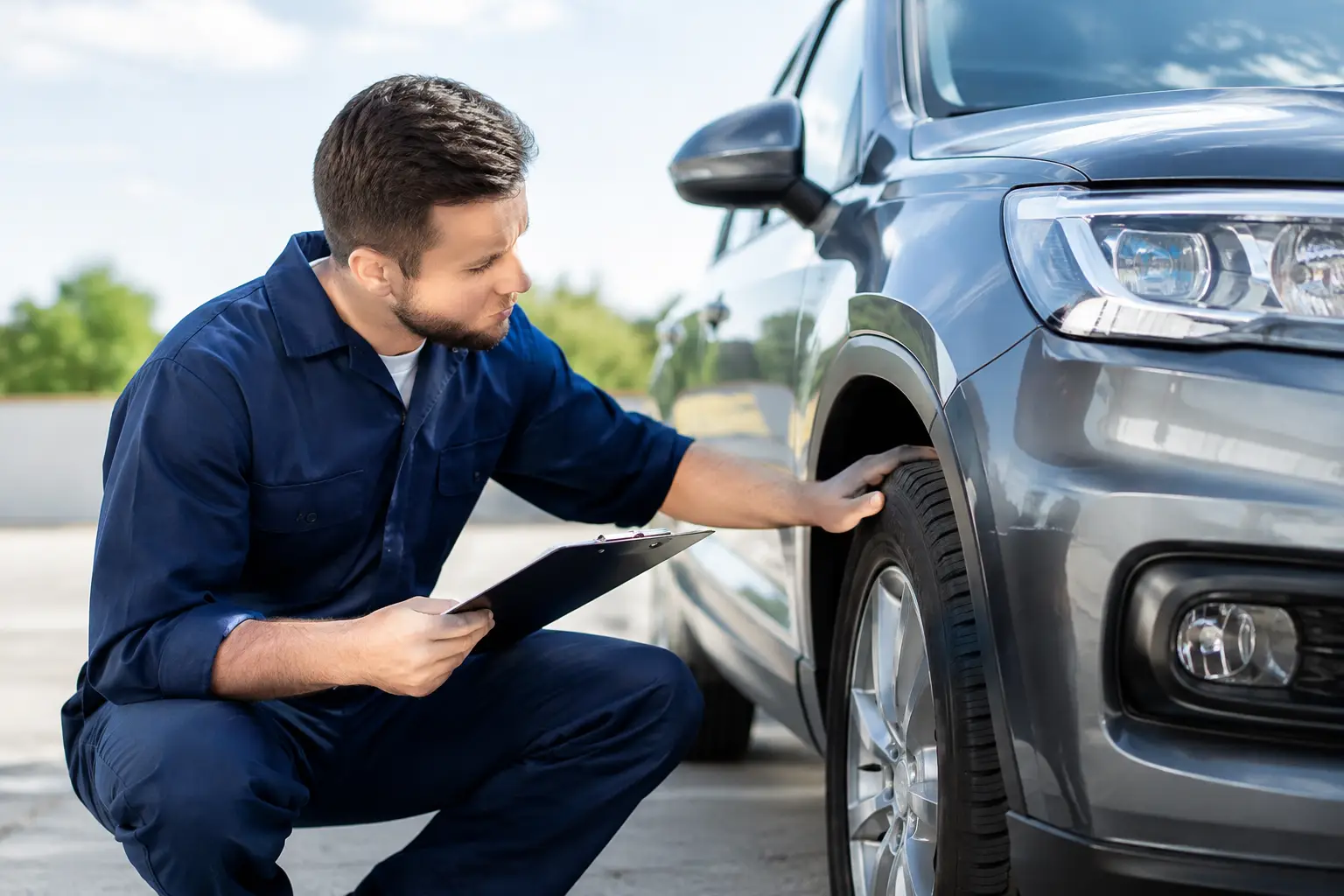
Your tires are the only part of the vehicle in direct contact with the road, so their condition affects braking, steering, fuel efficiency, and traction. This matters especially through Ontario’s changing seasons, when drivers can face hot pavement, standing water, slush, ice, and potholes within the same year.
Check tire pressure at least once a month and before a longer drive. Use the pressure listed on the driver’s door-jamb label, not the maximum pressure printed on the tire sidewall. Pressure should be checked when tires are cold, since driving raises the reading. An underinflated tire can wear prematurely on its outer edges and reduce fuel economy, while overinflation can reduce the contact patch and make the ride harsher.
Look over the tread and sidewalls while you are there. Uneven wear may point to an alignment issue, worn suspension components, or a tire that has not been rotated on schedule. Cuts, bulges, embedded objects, and repeated pressure loss should be inspected promptly. A quick visual check can prevent a roadside tire failure and may reveal a mechanical issue before it causes more expensive damage.
Seasonal tire changes are also a good time to assess tread depth and wheel condition. Winter tires need enough tread to clear snow and slush effectively, while all-season or summer tires need sound tread for wet-road grip. If your steering wheel shakes at speed or the vehicle pulls to one side, do not assume it is normal wear. Have the wheels, tires, alignment, and suspension checked.
Brake Checks Should Never Be Delayed
Brake concerns are not an area for guesswork. A squeal may come from a wear indicator, surface rust, or contamination, while grinding can mean brake pads are worn down enough to damage the rotors. A soft pedal, vibration while braking, a vehicle pulling to one side, or increased stopping distance all deserve professional attention.
You can pay attention to how the brake pedal feels and whether the vehicle stops smoothly, but a complete brake inspection goes further. A technician can measure pad thickness, inspect rotors, check calipers and hardware, assess brake fluid condition, and identify uneven wear patterns. On vehicles with electronic parking brakes or advanced driver-assistance systems, proper service procedures are particularly important.
Brake service intervals depend on driving habits. Stop-and-go commuting, frequent hauling, steep grades, and long periods of sitting can all affect brake wear. Waiting for a warning noise is not a maintenance plan. Scheduling an inspection when something feels different is the safer and often more cost-effective choice.
Check Fluids, Filters, and Oil on Schedule
Engine oil is one of the most familiar maintenance items, but it should never be treated as a one-size-fits-all service. The correct oil grade, capacity, and interval depend on the vehicle, its engine, and the manufacturer’s recommendations. Short trips, heavy traffic, towing, and extreme temperatures may justify more attentive maintenance than a vehicle used mainly for steady highway travel.
Check the oil level periodically if your vehicle has a dipstick, especially before a road trip or when you notice an oil warning light. Low oil, a burning smell, new leaks, or an engine that sounds louder than usual should be addressed quickly. An oil change is also an opportunity for a technician to inspect for leaks, worn belts, damaged hoses, and other developing concerns.
Coolant, brake fluid, windshield washer fluid, transmission fluid where applicable, and power steering fluid on older vehicles each play a different role. Do not open a hot cooling system or mix fluids based on colour alone. Modern vehicles can use very specific formulations, and using the wrong product may create a larger repair issue.
Cabin and engine air filters are easy to overlook. A restricted cabin filter can reduce HVAC airflow and contribute to window fogging, while a dirty engine air filter may affect performance depending on the vehicle. Replacing filters when needed supports cleaner operation and more comfortable driving.
Battery, Lights, and Wipers Matter More Than You Think
A battery can lose capacity long before it fails completely. Slow cranking, dim interior lights, corrosion around battery terminals, or electrical accessories behaving inconsistently are signs worth checking. Cold weather places additional strain on batteries, which is why a battery test before winter is a practical precaution for Hamilton drivers.
Walk around the vehicle occasionally with the lights switched on. Confirm that headlights, daytime running lights, tail lights, brake lights, turn signals, reverse lights, and licence-plate lights are working. Ask someone to stand behind the vehicle while you press the brake pedal, or use a reflection in a window or garage door if you are alone. Clear lenses and properly aimed headlights improve visibility without creating glare for other drivers.
Wiper blades deserve the same attention. If they streak, chatter, skip, or leave areas uncleared, replace them. Top up washer fluid with a product suited to the season. In winter, use fluid rated for freezing temperatures rather than plain water, which can freeze in the reservoir or lines.
Listen for Changes in Steering, Suspension, and the Engine
Vehicles often communicate developing problems through sounds, vibrations, smells, and changes in behaviour. A clunk over bumps could relate to suspension or steering components. A humming sound that rises with speed may indicate a wheel bearing or tire issue. A sweet smell could suggest coolant, while a fuel smell should be treated as urgent.
Pay attention to warning lights, but do not rely on them as the only signal. The check-engine light can represent anything from a loose fuel cap to an engine or emissions fault. A flashing check-engine light, oil-pressure warning, overheating warning, or brake warning requires immediate action. Continuing to drive can turn a manageable repair into major damage.
A diagnostic inspection is valuable because it combines scan-tool information with hands-on testing. Fault codes are clues, not automatic repair instructions. Experienced technicians confirm the cause before recommending work, which helps avoid replacing parts that are not actually at fault.
A Practical Routine for Vehicle Owners
The most useful maintenance routine is one you can keep. Once a month, check tire pressure and condition, exterior lights, washer fluid, and for obvious leaks beneath the vehicle. Before long trips, add a closer look at oil level, wipers, coolant level when the engine is cold, and the spare tire or tire-repair equipment.
Follow your owner’s manual for scheduled services, but adjust your attention when your driving conditions demand it. A family vehicle making short school and work trips has different needs from a contractor’s work vehicle, a rideshare vehicle, or an enthusiast car driven mainly on weekends. Keeping service records also supports resale value and gives technicians a clearer picture of the vehicle’s history.
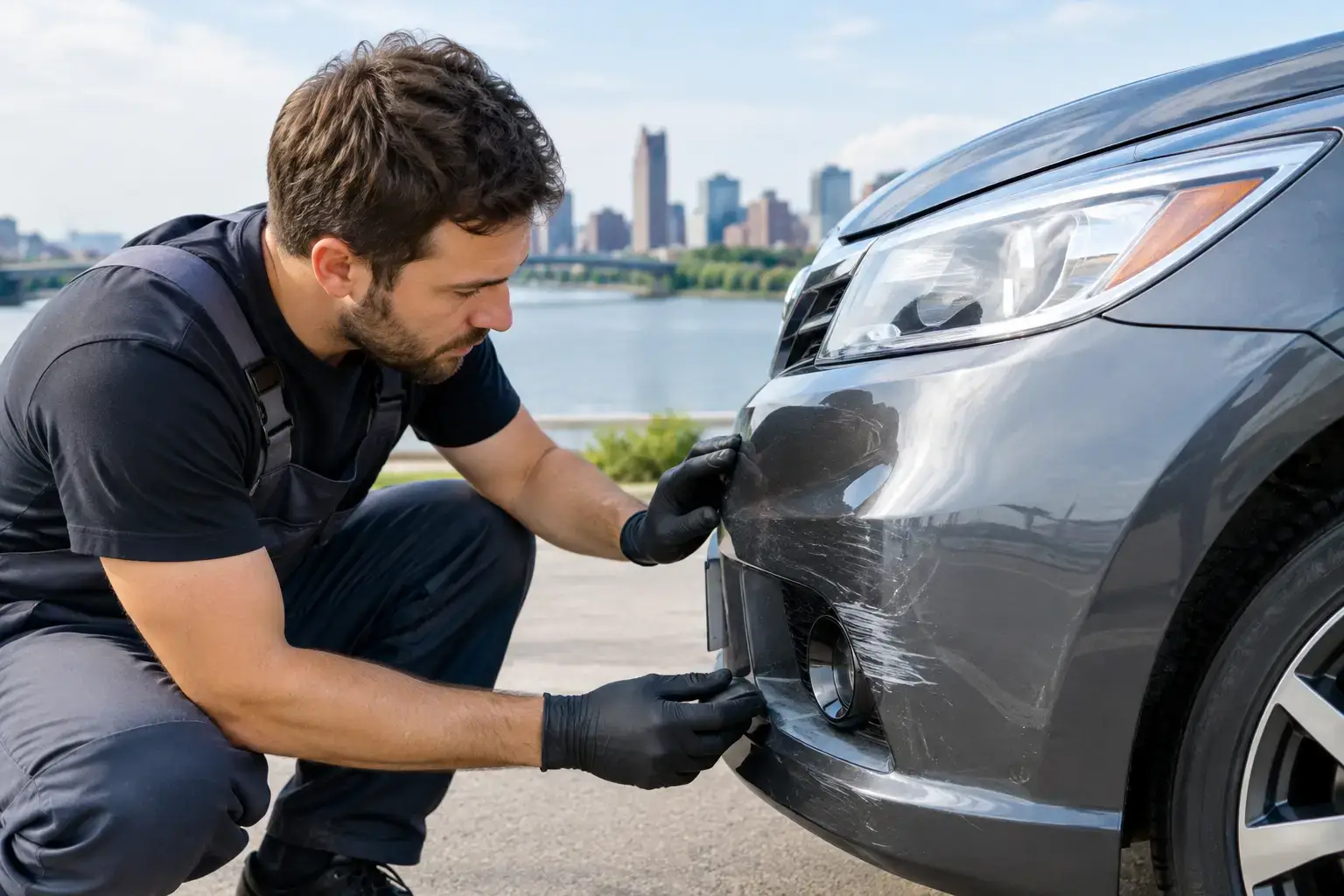
After a collision, even a minor one, do not overlook mechanical checks simply because the visible damage appears limited. A curb strike, parking-lot impact, or pothole-related incident can affect wheel alignment, suspension, sensors, lighting, and body panels. Addressing both appearance and operating safety is part of returning a vehicle to proper road-ready condition.
For drivers who want one trusted local team for mechanical maintenance, diagnostics, collision repair, and refinishing, ASC Auto Body & Sales brings more than 20 years of Hamilton experience to the work. Professional inspections provide the precision needed to identify concerns early and help preserve the safe, polished performance you expect from your vehicle.
The best time to book maintenance is before a dashboard light, strange noise, or missed start forces the decision. A little attention now gives you a better chance of arriving safely, comfortably, and without surprises.