

A bent frame is not simply a cosmetic problem hiding behind a damaged bumper. It can change how a vehicle absorbs impact, steers, brakes, tracks down the road, and protects its occupants in another collision. So, can bent frames be repaired? In many cases, yes – but only after precise measurements confirm what moved, how far it moved, and whether the vehicle can be restored to its proper structural specifications.
After an accident, a vehicle may still start, drive, and look reasonably normal. That does not mean the structure is sound. A small misalignment can cause uneven tire wear, a crooked steering wheel, poor panel fit, or a vehicle that pulls to one side. More serious damage can affect suspension mounting points, crumple zones, and the alignment of safety systems.
Can Bent Frames Be Repaired Safely?
A frame can often be repaired safely when the damage is limited, the metal has not been compromised beyond repair, and the vehicle can be returned to manufacturer measurements using approved repair methods. The goal is not to make the vehicle look straight by eye. It is to restore its original dimensions as closely as possible, so it performs as intended on Hamilton roads and highways.
The answer depends on the vehicle design and the location of the damage. Traditional body-on-frame trucks and some larger SUVs have a separate, heavy frame beneath the body. A collision shop may be able to straighten portions of that frame using controlled pulling equipment and computerized measuring systems.
Most passenger cars, crossovers, and many newer SUVs use unibody construction. With a unibody vehicle, the body and structural frame are integrated. Damage may involve frame rails, aprons, pillars, rocker panels, floor sections, or front and rear impact structures. These areas can sometimes be repaired, but some sections are designed to be replaced rather than pulled back into shape. That distinction matters for crash performance.
A quality repair is based on the vehicle manufacturer’s procedures, not a one-size-fits-all approach. High-strength steel, ultra-high-strength steel, aluminum, and mixed-material construction each require different handling. Applying too much heat, pulling in the wrong area, or using an unsuitable welding method can weaken a component that looked acceptable after the repair.
What a Proper Frame Damage Assessment Involves
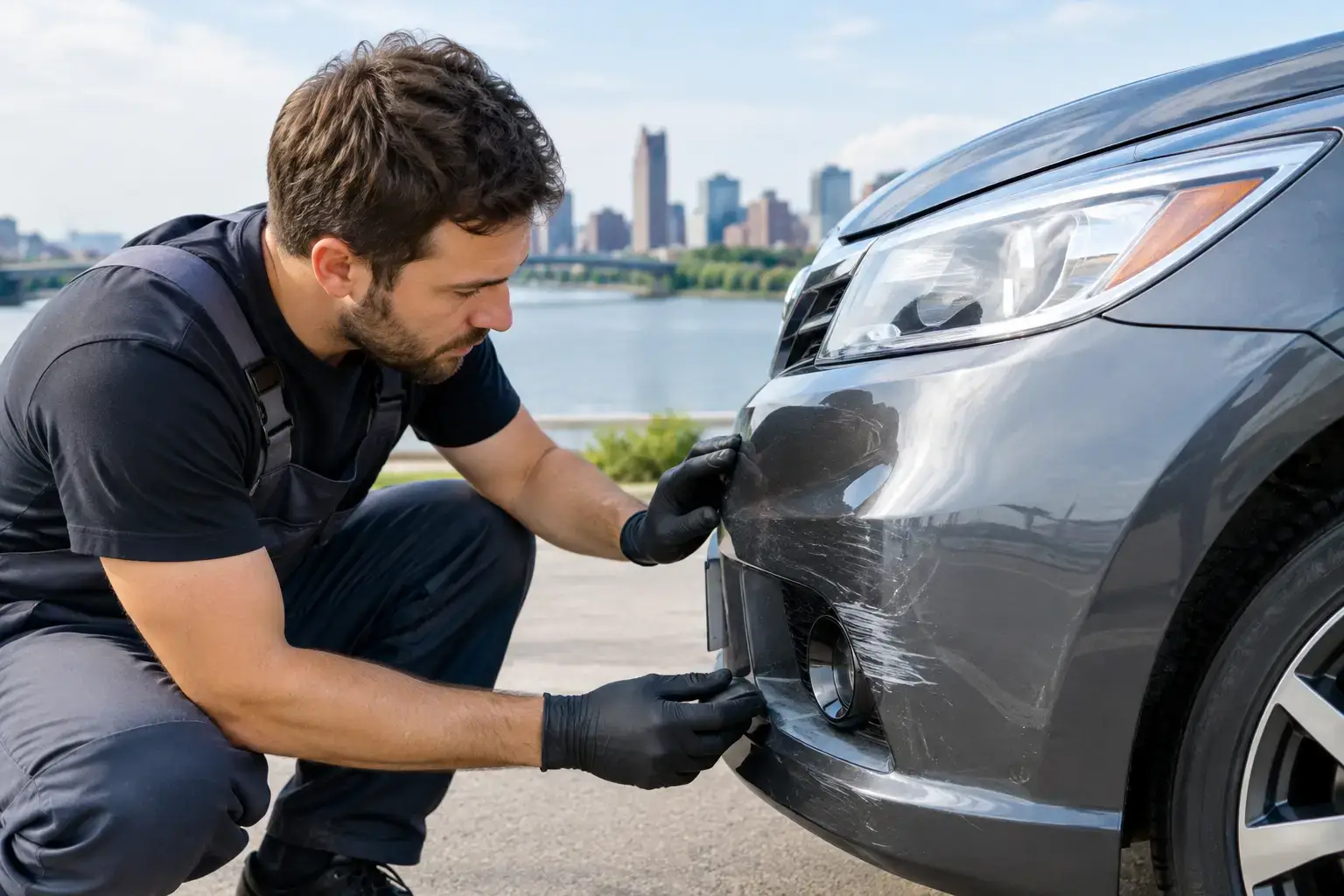
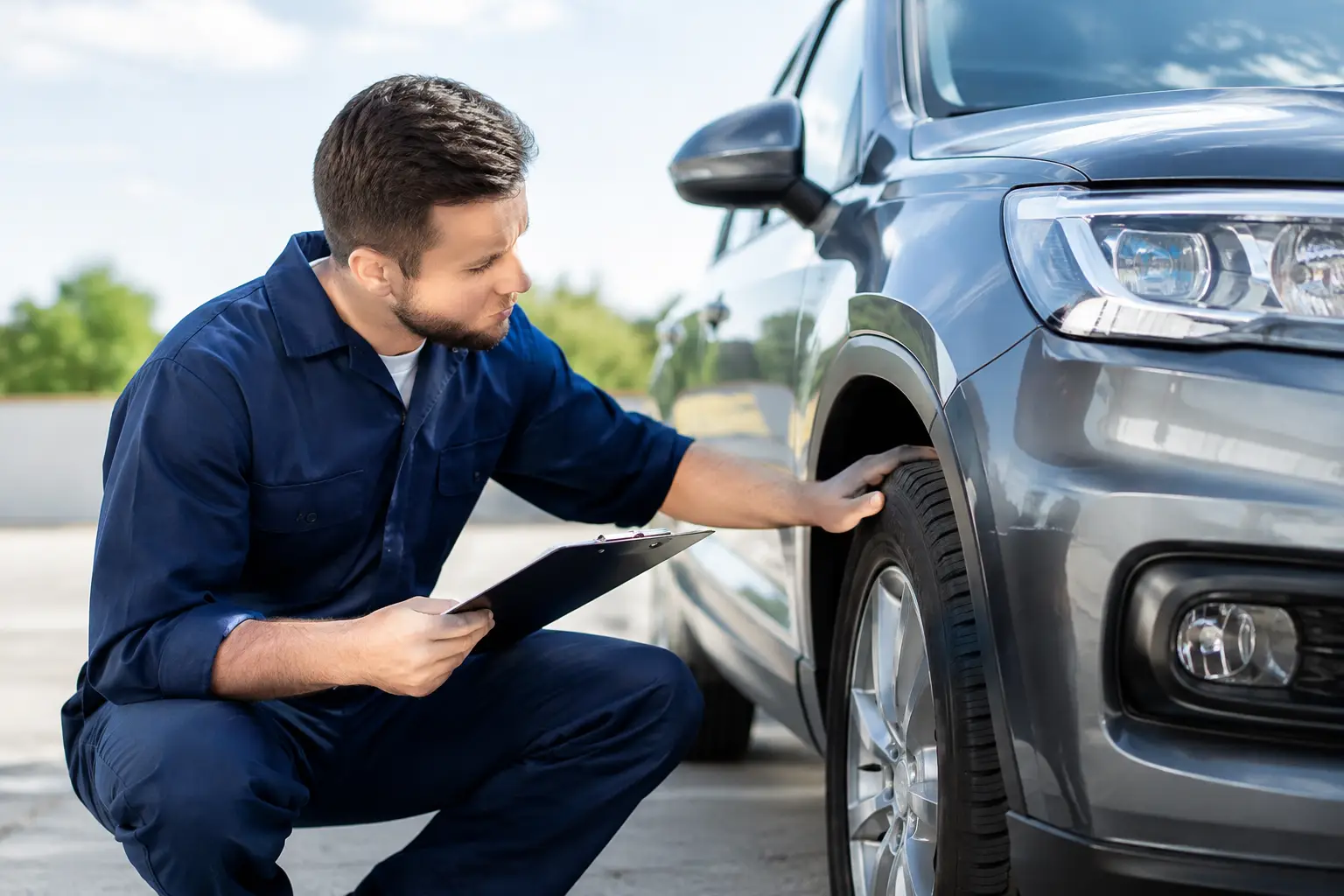
Frame damage is not always visible from the outside. A professional assessment begins with more than a walk-around and a quick road test. Technicians inspect the visible damage, check panel gaps, assess the suspension and steering, and look for signs of force transfer elsewhere in the vehicle.
Computerized measuring equipment compares key structural points against the vehicle’s factory dimensions. This identifies whether rails, mounting points, or body sections are out of position. It also gives the repair team a clear target before any controlled pulls begin. Accurate measurements before, during, and after repair are central to reliable collision work.
The inspection may also uncover related damage that affects the repair decision. A bent control arm, damaged subframe, broken wheel, leaking strut, or shifted engine cradle can create symptoms similar to frame damage. Conversely, a vehicle can have structural damage even when the wheels appear straight and the doors still open.
Modern vehicles add another layer of complexity. Cameras, radar sensors, parking sensors, airbags, seat belt pretensioners, and advanced driver-assistance systems may require inspection, replacement, calibration, or verification after a collision. Structural accuracy helps ensure these systems are positioned and functioning as intended.
Repairing a Bent Frame Versus Replacing Structural Parts
When repair is appropriate, the vehicle is secured to specialized equipment and measured at designated reference points. Controlled hydraulic pulls gradually move the damaged area back toward specification. Technicians do not simply pull until a panel gap looks better. They monitor dimensions throughout the process and complete only the operations approved for that vehicle.
Replacement is often the better choice when a structural part is sharply kinked, torn, crushed, rusted, or made from material that cannot safely be straightened. For example, a bolt-on subframe may be replaced if it is distorted, while a damaged frame rail section may require a manufacturer-specified sectioning procedure. In other cases, replacement is not permitted, and the vehicle may no longer be economically or safely repairable.
This is where the lowest estimate can become the most expensive decision. A repair plan that skips measurements, uses improper procedures, or avoids necessary parts may save money initially, but it can leave drivers with poor alignment, recurring tire wear, water leaks, noise, reduced resale value, or compromised collision protection.
There is also a practical financial question. The repair cost must be weighed against the vehicle’s value, age, condition, and the extent of damage. If the required structural, mechanical, refinishing, and safety-system work approaches or exceeds the vehicle’s value, an insurer may determine it is a total loss. That does not mean every bent frame leads to a write-off. It means the decision should be based on documented damage and repair requirements, not guesswork.
Signs You Should Arrange a Collision Inspection
Not every impact bends a frame, but drivers should be cautious after any collision that involved a wheel, curb, guardrail, deep pothole, or significant front or rear impact. Some warning signs show up immediately, while others appear after a few days of driving.
Watch for steering that sits off-centre, a vehicle that pulls or wanders, vibration at speed, uneven tire wear, doors or a trunk that no longer close smoothly, new gaps around body panels, or a hood that will not latch correctly. A vehicle may also make unusual noises over bumps or feel unsettled under braking. These symptoms can come from suspension or alignment damage alone, but they deserve professional attention.
Do not rely on an alignment alone to solve a post-collision handling issue. Alignment angles can sometimes be adjusted within range even when a structural mounting point is not where it should be. A collision inspection identifies the cause before mechanical parts are replaced or tires are worn out prematurely.
Why Precision Matters After the Structure Is Straightened
Frame repair is only one stage of restoring a collision-damaged vehicle. Once structural measurements are confirmed, the vehicle may require suspension repairs, wheel alignment, mechanical inspection, replacement glass, body panel repair, refinishing, and system calibrations. Each step supports the next.
Proper refinishing also matters. Repaired or replaced panels need corrosion protection, seam sealing, and paint work that protects the metal as well as restores a like-new appearance. In Ontario’s winter conditions, exposed or poorly protected metal can turn a collision repair into a rust problem later on.
At ASC Auto Body & Sales, experienced technicians approach collision damage with the same focus on safety, precision, and dependable performance that drivers expect from a trusted Hamilton repair facility. A clear assessment helps customers understand the work required, whether insurance is involved or they are arranging repairs privately.
Do Not Drive on Assumptions
A bent frame is not an automatic end for a vehicle, and it is not a problem that should be hidden under fresh paint. The right repair path depends on accurate measurements, vehicle-specific procedures, sound mechanical inspection, and a realistic view of repair cost.
If your vehicle took a hard hit or has not driven the same since an accident, arrange a professional inspection before the issue becomes harder to diagnose. Knowing exactly where your vehicle stands gives you a safer, more confident path back on the road.