



A bumper can look like a simple plastic panel, but on a modern vehicle it often sits in front of critical safety components. A small parking-lot scrape may only affect the finish, while a similar-looking impact can damage mounting points, sensors, brackets, or the reinforcement behind the cover. This car bumper repair guide helps Hamilton drivers make a confident first assessment and understand when professional collision repair is the right next step.
What Bumper Damage Can Really Mean
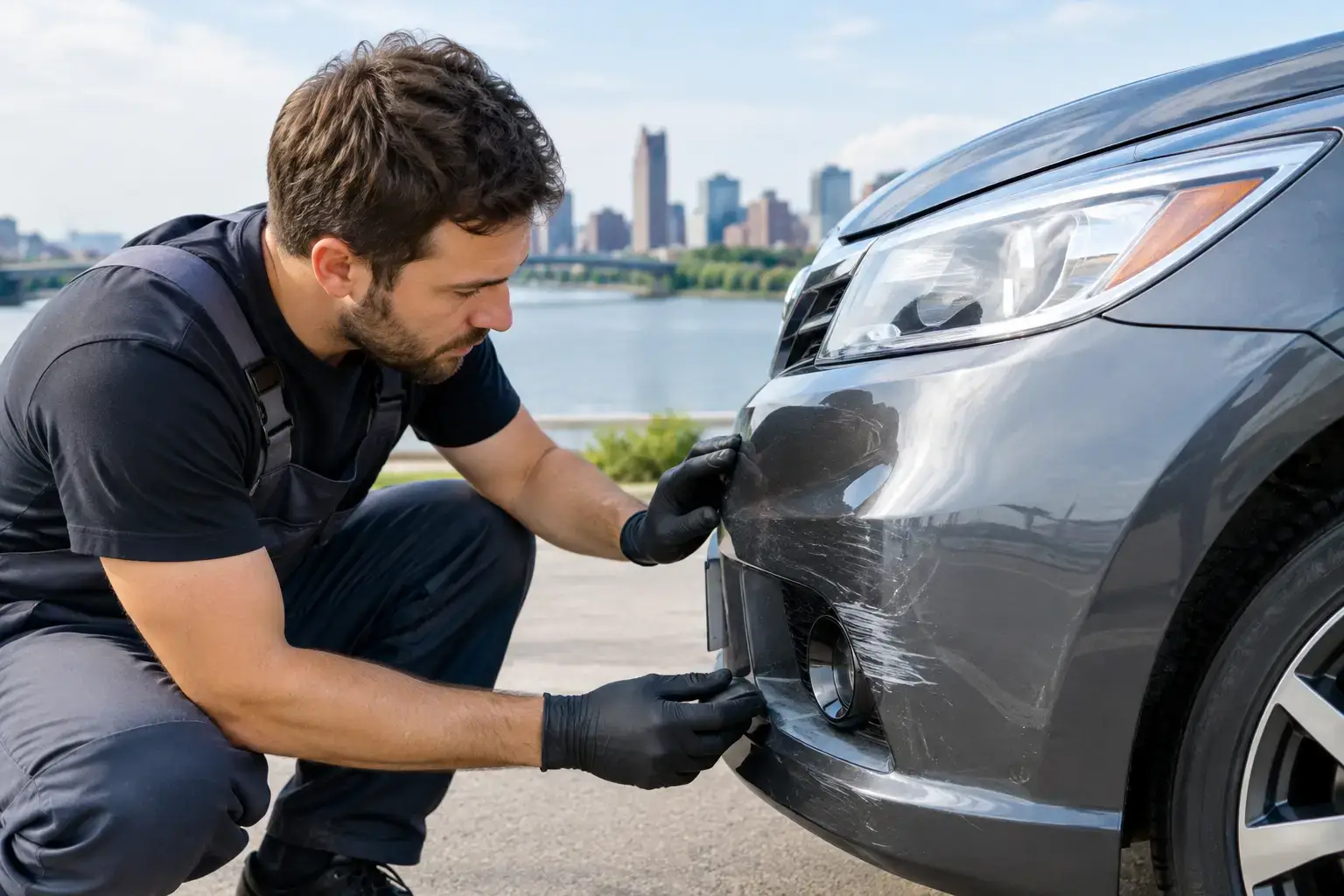
Most visible bumper damage falls into a few familiar categories: paint scuffs, scratches, dents, cracks, loose sections, and collision damage. The appearance matters, especially when you take pride in your vehicle, but the condition behind the bumper cover matters more.
The painted outer cover is usually made from flexible plastic. Behind it, your vehicle may have an impact absorber, reinforcement bar, mounting brackets, grille components, wiring, parking sensors, radar equipment, cameras, fog lights, or headlamp supports. Depending on the make, model, and location of the impact, these components can be affected even when the bumper cover appears only mildly damaged.
This is why a bumper that has popped out at one corner should not simply be pushed back into place and forgotten. A broken retainer, distorted bracket, or damaged clip can leave the cover loose and allow vibration, water intrusion, or further damage over time. After any impact, check that lights, sensors, cameras, and driver-assistance warnings are operating normally.
Car Bumper Repair Guide: Start With a Safe Assessment
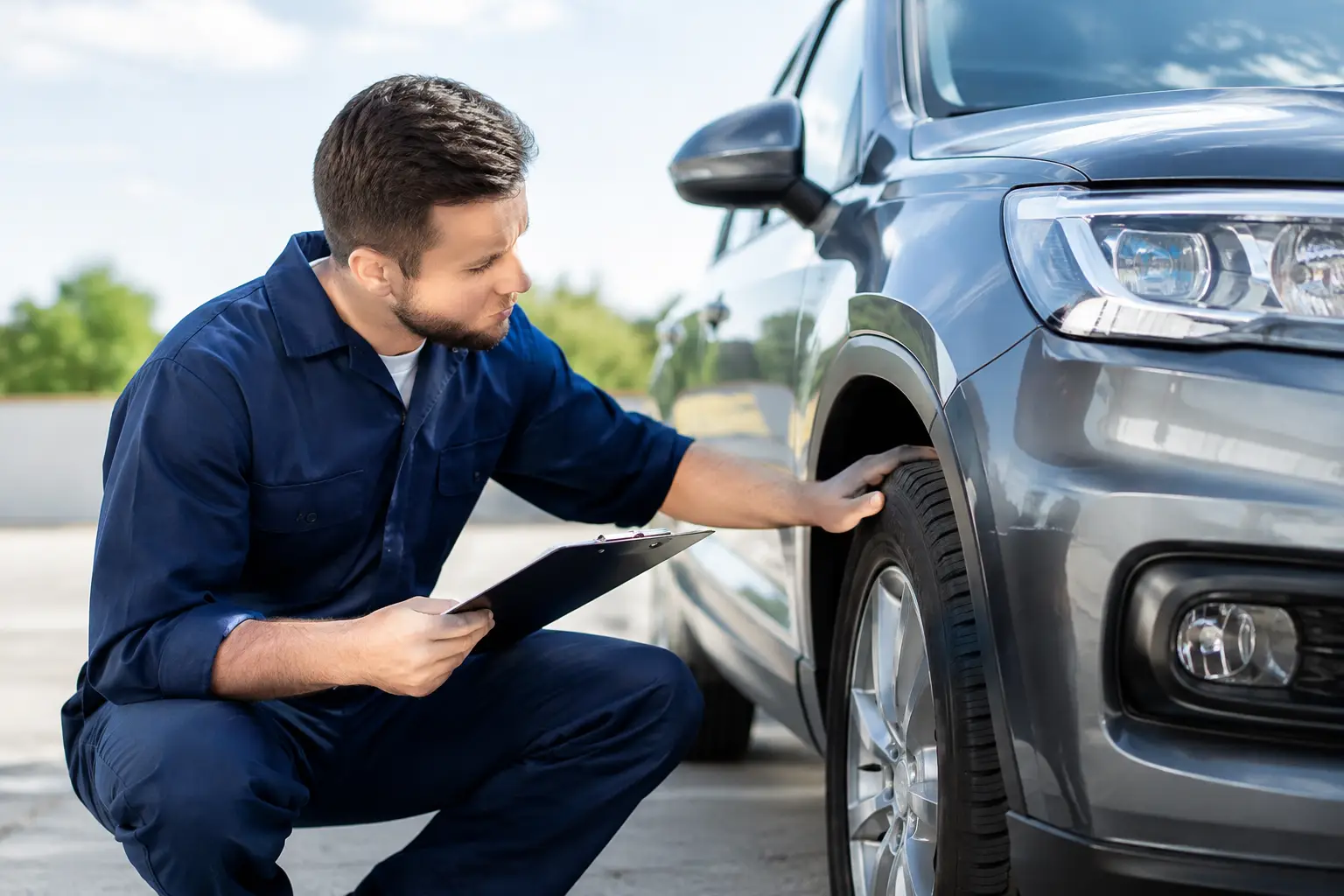
Before deciding whether to repair the bumper yourself or bring it to a body shop, take a careful look in good lighting. Photograph the damage from several angles before washing or polishing the area. Clear photos are useful for an insurance claim, a repair estimate, and documenting the condition of your vehicle.
Look for uneven panel gaps around the bumper, headlights, hood, trunk, or tailgate. These gaps can indicate that mounting hardware has shifted or that an adjacent panel has moved. Check underneath the vehicle for hanging plastic shields, loose wiring, fluid leaks, or broken grille pieces. If the bumper is rubbing against a tire, dragging on the road, or blocking a light, it needs prompt attention.
A light surface mark may be paint transfer from another vehicle, a post, or a shopping cart. Sometimes a professional detail or localized refinishing process can significantly improve it. However, do not assume a mark is superficial simply because it feels smooth. Modern paint systems include clear coat, colour coat, primer, and plastic preparation layers. Aggressive rubbing or the wrong solvent can turn a manageable scuff into a larger refinishing job.
If your vehicle has parking sensors, a front camera, blind-spot monitoring, adaptive cruise control, or collision-avoidance features, arrange an inspection after a meaningful impact. These systems need accurate positioning to work as intended. A warning light, sensor alert, or camera view that suddenly appears misaligned should never be ignored.
When a Bumper Can Be Repaired
Repair is often an excellent option when damage is limited to the bumper cover and the plastic remains structurally sound. Minor dents, shallow gouges, paint scuffs, and certain small cracks can often be repaired with the right preparation, plastic-repair materials, shaping, priming, and colour matching.
A quality repair does more than make the damaged area look acceptable from a distance. The technician evaluates the flexibility of the plastic, restores the panel shape, prepares the surface correctly, and refinishes the repair so it blends with surrounding panels. Proper paint work is especially important on metallic, pearl, and tri-coat finishes, where a mismatch can stand out in daylight.
Repair can be a sensible choice when it preserves the original bumper cover, controls the scope of work, and produces a durable result. It is not always the least expensive option, though. A bumper with several damaged areas, extensive peeling paint, deep tears, or intricate sensor openings may take more labour to restore than replacing it with the correct part.
When Replacement Is the Better Decision
Replacement becomes more likely when the bumper is torn through, badly deformed, missing material, or unable to hold securely to the vehicle. It may also be necessary when tabs and mounting points are broken beyond reliable repair, or when the impact has compromised the bumper’s fit around lights, grilles, and body panels.
A replacement bumper cover still requires skilled work. It may need transferring of sensors, grilles, trim, lights, wiring, and absorbers from the original cover. It then needs proper preparation, paint matching, refinishing, installation, and final alignment. On vehicles with advanced driver-assistance systems, calibration or verification may also be required after repairs are complete.
The right choice depends on the actual damage, the availability and condition of replacement parts, your vehicle’s age and value, insurance requirements, and whether safety-related components have been affected. An experienced collision repair facility can explain the recommendation clearly instead of treating replacement as the automatic answer.
Why Modern Bumpers Need Professional Attention
Years ago, bumper repair was often more straightforward. Today, the front and rear bumper areas are home to increasingly complex equipment. A minor collision can disturb a parking sensor bracket or crack a radar mounting point without causing obvious exterior damage.
Painting also requires precision. Sensors and radar components can be sensitive to excessive material thickness or unsuitable repair methods. The wrong paint process in the wrong location may interfere with a vehicle system that the driver relies on every day. Professional technicians identify these concerns before refinishing begins and follow the correct procedures for the vehicle.
There is also the question of hidden collision damage. The bumper cover may absorb the visible evidence, while the impact transfers force to a reinforcement bar, absorber, fender liner, headlamp bracket, or underlying structure. A thorough inspection protects both the appearance of your vehicle and its dependable road readiness.
What a Proper Bumper Repair Process Looks Like
A professional repair begins with inspection rather than a quick visual estimate alone. The technician assesses the bumper cover, related components, panel alignment, safety systems, and any damage hidden behind the cover. This creates a repair plan based on what your vehicle actually needs.
When repair is appropriate, the damaged plastic is cleaned, prepared, restored, and shaped before refinishing. Cracks may require specialized plastic repair from the appropriate side of the panel. For replacement work, the new cover is fitted carefully so that gaps are even and adjoining parts align correctly.
Refinishing is where experience becomes highly visible. The paint must be matched to the vehicle, applied correctly, and blended where necessary for a consistent finish. Once reassembled, the vehicle should be checked for secure fitment, proper operation of lights and accessories, and the performance of any affected sensors or cameras.
At ASC Auto Body & Sales, the focus is not only on restoring a like-new appearance. It is on completing collision repair with the precision, safety checks, and workmanship Hamilton drivers expect from a shop with more than two decades of local service.
Insurance Claims and Repair Decisions
If another driver, a road incident, or a larger collision caused the damage, contact your insurer promptly and keep your photos, claim number, and incident details together. Your repair facility can help identify collision-related damage and prepare a clear estimate for the work required.
It is worth remembering that an initial estimate may change after disassembly. This is not necessarily a sign of poor planning. Some brackets, absorbers, sensor mounts, and hidden structural concerns cannot be properly assessed until the bumper cover is removed. A quality repair process accounts for these findings instead of covering them up.
For small cosmetic damage, you may decide to pay directly rather than make a claim. Compare more than the immediate cost. Consider whether the paint is damaged, whether corrosion could affect nearby metal components, whether the bumper is secure, and whether a future resale inspection will reveal unresolved damage.
Avoid Quick Fixes That Create Bigger Problems
Temporary repairs have a place when they help secure a loose component until your appointment, but they should not replace a proper inspection. Tape, universal clips, household adhesives, and touch-up paint applied over damaged surfaces can make a professional repair more difficult later.
Be particularly cautious with DIY repairs near sensors, cameras, headlights, or radar-equipped bumper sections. Heating plastic excessively can distort the cover. Sanding too aggressively can remove texture or damage the surrounding finish. A repair that looks acceptable in a driveway may become obvious in sunlight, during winter road spray, or after the first wash.
Your bumper is one of the first parts of your vehicle to meet the realities of Hamilton driving: tight parking spaces, winter slush, road debris, and unexpected low-speed impacts. Treating damage early gives you more repair options and helps keep a minor incident from becoming a larger concern. When the fit, finish, or safety equipment is in question, a professional assessment offers the clearest path back to confident driving.