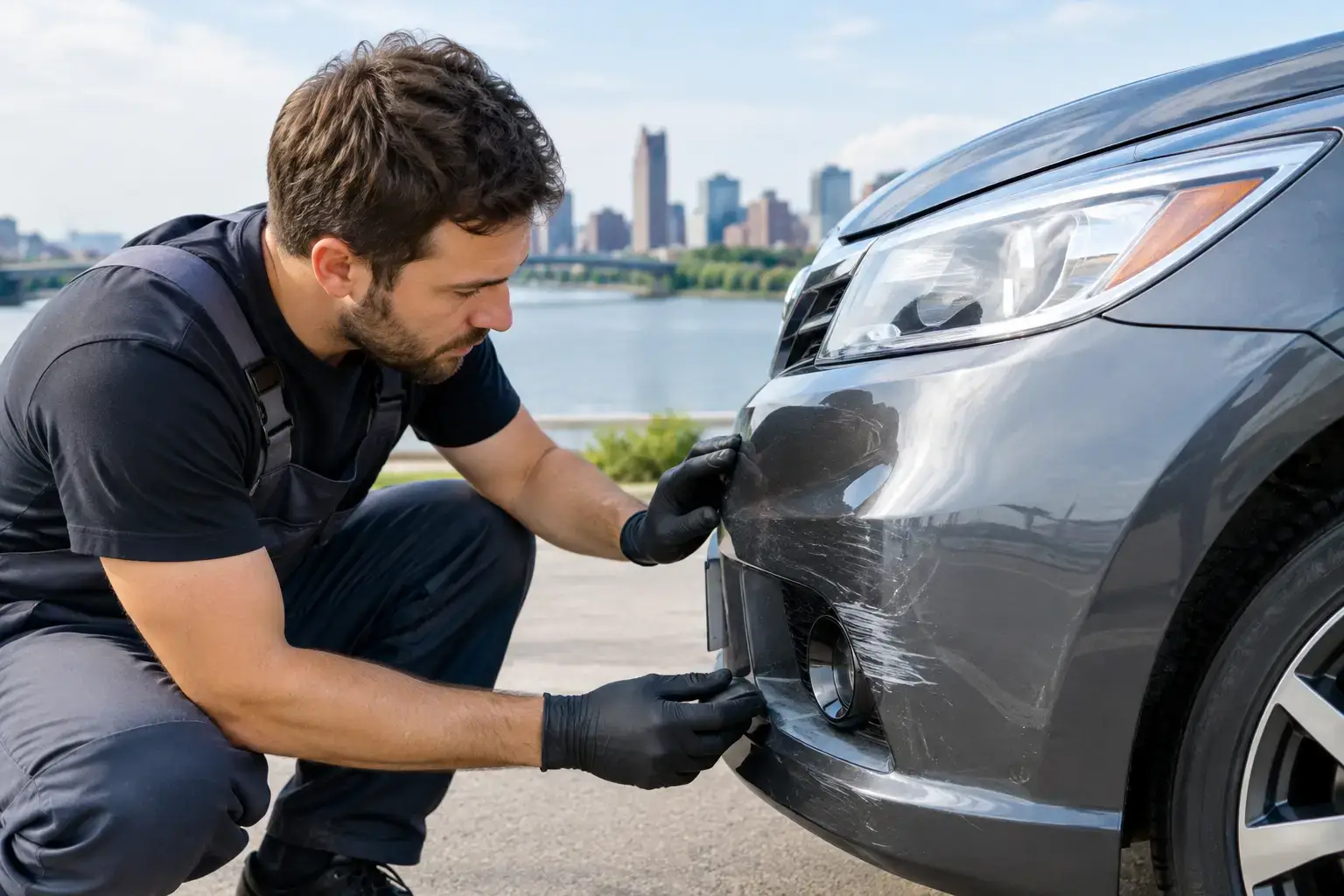
A sharp crease across a door, a crushed fender after a parking-lot impact, or rust beginning at a wheel arch can make a vehicle feel older than it is. When people search for tinsmith car body repair Hamilton, they are usually looking for more than a quick cover-up. They need skilled metal repair that restores the vehicle’s shape, supports safe operation, and gives the finished paintwork a proper foundation.
Modern auto body repair has changed considerably, but the principles behind quality metalwork remain the same. Careful assessment, precise shaping, proper corrosion protection, and refinishing work together to return a damaged vehicle to a condition its owner can rely on.
What Tinsmith Car Body Repair Means Today
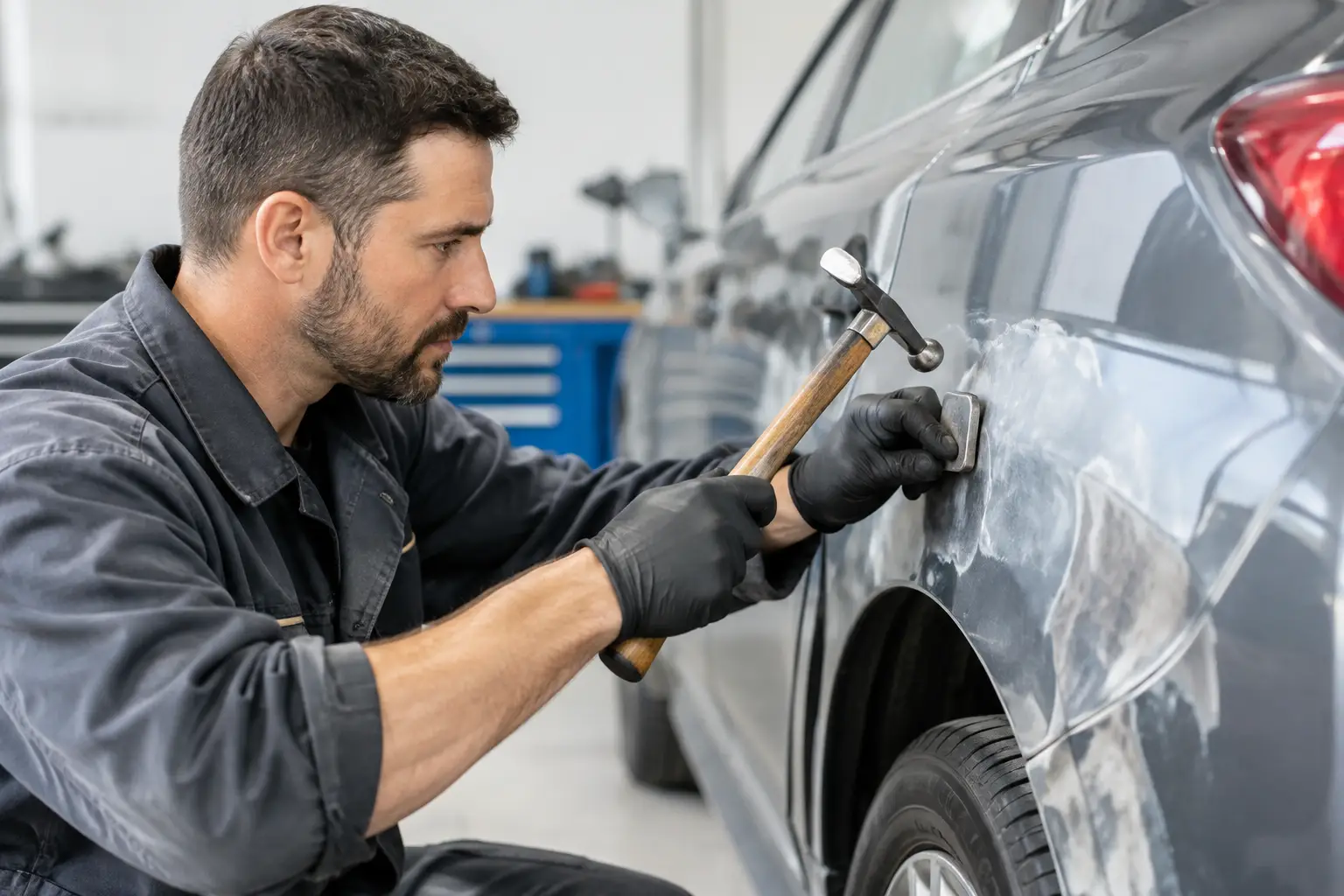
Traditionally, a tinsmith worked with sheet metal, shaping and repairing panels by hand. In automotive work, the term is often used to describe detailed panel repair: straightening dents, rebuilding damaged sections, correcting creases, and addressing corrosion in steel body panels. The work calls for patience and judgement. Metal that has been stretched, folded, or weakened cannot simply be pushed back into place without considering how the panel will behave afterward.
Today’s vehicles add another layer of complexity. Many use high-strength steels, aluminum components, sensors behind bumpers, cameras, radar equipment, and carefully engineered crumple zones. A repair method that suited an older vehicle may not be appropriate for a newer model. That is why a proper inspection comes before any decision to repair or replace a panel.
Tinsmith car body repair in Hamilton may involve traditional metal-shaping skill, but it should also reflect current manufacturer procedures and collision-repair standards. The goal is not just to make damage less visible. It is to restore fit, finish, corrosion resistance, and the intended function of the affected area.
Repair or Replace: The Decision Depends on the Damage
A dent does not automatically mean a new door, fender, or quarter panel is required. In many cases, repairing the original panel is a sensible choice. It can preserve factory seams, reduce the amount of replacement work needed, and keep the repair focused on the damaged area.
The best option depends on the panel material, the depth and location of the damage, and whether the metal has been stretched. A shallow dent in an accessible area may be repaired efficiently. A sharp crease near a body line can demand far more precise work. If there is structural damage, torn metal, compromised mounting points, or corrosion that has spread beyond the visible surface, replacement may provide the safer and more durable result.
Rust deserves particular attention in Hamilton. Winter salt, slush, moisture, and changing temperatures can allow corrosion to spread from a small chip or blister beneath the paint. Treating only the surface may improve appearance briefly, but it will not stop rust that has already worked through the metal. Effective repair may require cutting out weakened material, rebuilding the area correctly, sealing it, and protecting the finished panel from future moisture.
Why Quality Metalwork Matters Before Paint
Paint can make a vehicle look impressive, but paint alone cannot hide poor preparation for long. If the metal beneath the finish has not been repaired and stabilized properly, problems can return as waviness, cracking, bubbling, uneven reflections, or premature rust.
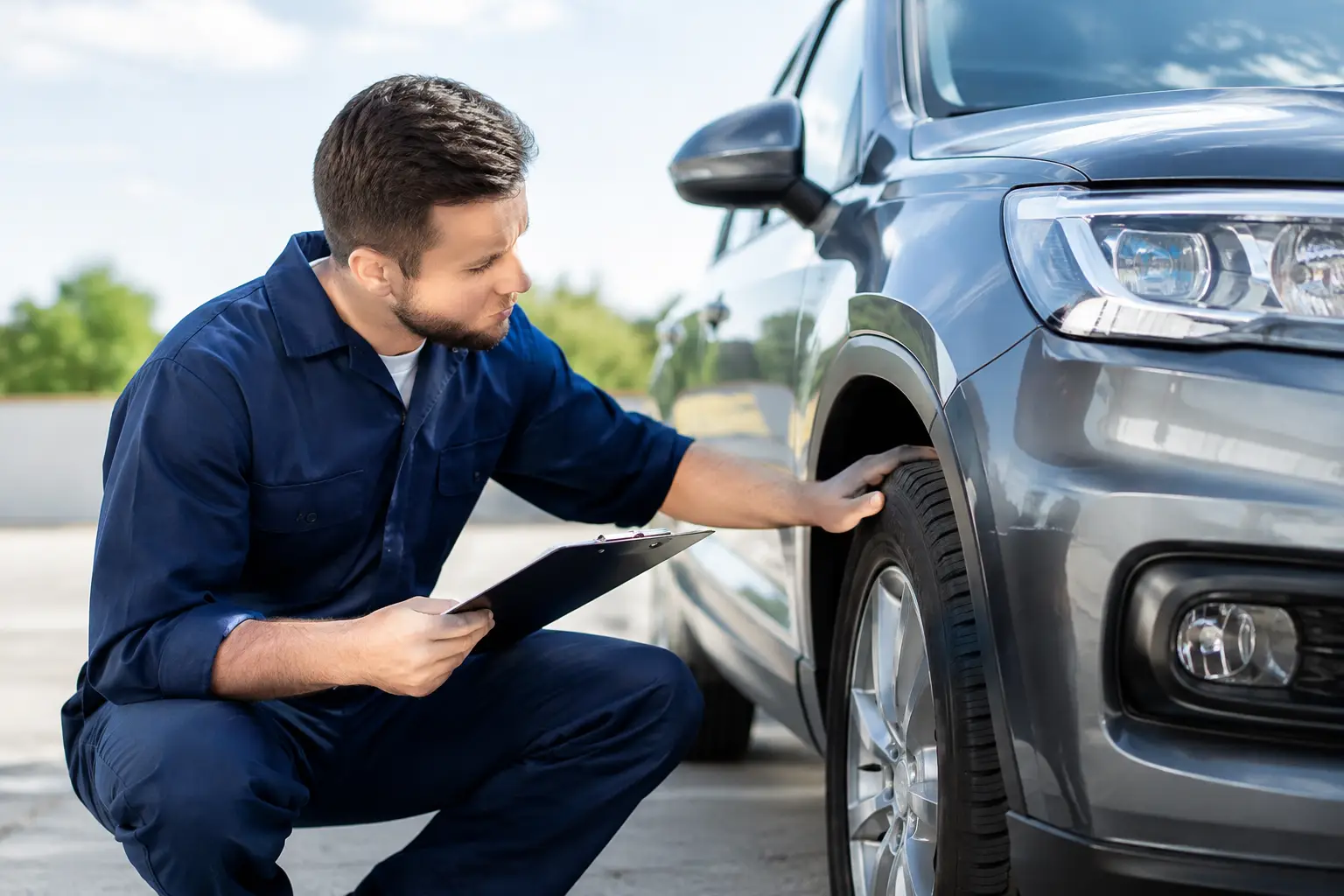
A quality repair process begins with an assessment of the damage and surrounding panels. Technicians identify whether the impact affected panel alignment, door operation, wheel openings, lights, trim, or adjacent components. They then use the appropriate tools and techniques to return the panel as close as possible to its original contour.
The next stages are equally important. The repaired area needs suitable preparation, primer, seam sealing where required, and corrosion protection before refinishing begins. Colour matching also requires care. Factory paint changes over time through sun exposure, weather, and regular washing, so a professional refinish is blended and checked with the surrounding panels in mind.
This is where workmanship becomes visible. Under bright light, an uneven repair can show through reflections even if the colour appears close. A precision-focused body shop checks body lines, panel gaps, texture, and finish consistency rather than treating the paint booth as the final answer to every problem.
Signs Your Vehicle Should Be Inspected Promptly
Some body damage is obvious, while other concerns are easy to postpone. A prompt inspection is worthwhile if a door no longer closes smoothly, a bumper sits unevenly, a panel rubs against another panel, or a new rattle appears after an impact. These issues can indicate more than cosmetic damage.
You should also arrange an assessment when paint has cracked through to bare metal, rust is bubbling at a seam or wheel arch, a light or sensor has been affected, or collision damage occurred near a wheel, suspension component, or frame area. A vehicle may still drive normally while hidden damage remains unresolved.
For newer vehicles, post-repair calibration can also matter. Cameras, parking sensors, blind-spot systems, and other driver-assistance features may need attention after collision work or component replacement. Safe repair is about restoring the complete vehicle, not only the panel that first caught your eye.
What to Expect From a Professional Hamilton Body Shop
Clear communication makes the repair experience much easier. A professional shop should explain what has been found, whether repair or replacement is recommended, and what work is needed to produce a lasting result. If the repair follows an accident, documentation and estimates can also help support the insurance claims process.
Timing depends on parts availability, the extent of the damage, paint curing requirements, and whether mechanical or safety-related work is also needed. A small dent may be addressed quickly, while collision repairs involving several panels or structural measurements require more time. Fast service matters, but rushing metalwork or refinishing is rarely a good trade-off.
Choosing a local facility with both body and mechanical capability can be especially helpful after an impact. At ASC Auto Body & Sales, experienced technicians can assess cosmetic damage alongside concerns such as alignment, brakes, diagnostics, glass, or general road readiness. That broader view helps owners avoid treating a collision repair as an appearance-only job.
Protecting the Repair After You Get Back on the Road
Once repairs are complete, regular washing is one of the most practical ways to protect the finish, particularly through Ontario winters. Clean salt and road grime from wheel arches, rocker panels, lower doors, and seams where moisture can collect. Address stone chips and scratches before exposed metal has time to corrode.
It also helps to avoid assuming that every new mark needs the same solution. Paintless dent repair can be excellent for certain minor dents where the paint remains intact. Traditional metalwork and refinishing are better suited to creases, paint damage, corrosion, and more significant impacts. An honest assessment should recommend the method that fits the damage rather than the one that merely appears fastest.
Your vehicle carries your family, supports your work, and gets you through Hamilton’s demanding roads and weather. If damaged metal, peeling paint, or rust is beginning to compromise its condition, arranging an informed inspection now can protect its appearance, value, and dependable performance for the kilometres ahead.