
A minor impact can leave more behind than a dented bumper. Modern vehicles carry sensors, cameras, brackets, cooling components, and safety systems behind painted panels, so the full repair picture is not always visible at the roadside. This auto insurance estimate guide helps Hamilton drivers understand what an estimate means, what may change during repairs, and how to move forward with confidence.
What an Auto Insurance Estimate Is Really For
An insurance estimate is a written assessment of the repairs believed necessary after a collision or covered loss. It commonly identifies damaged parts, labour operations, refinishing materials, and the anticipated cost of returning the vehicle to its pre-accident condition, subject to the terms of your policy.
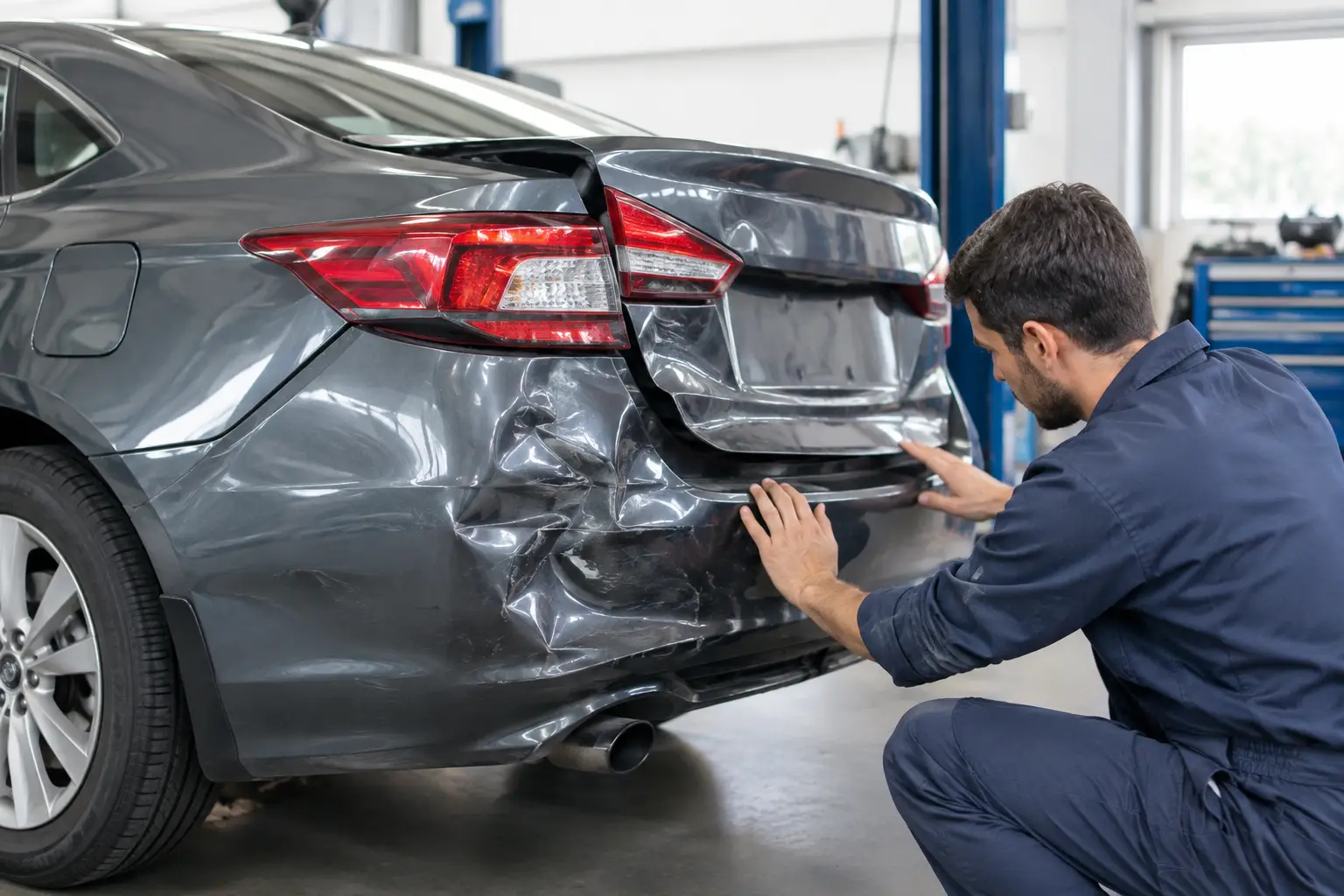
It is a starting point, not always a final repair plan. The first estimate is often prepared from visible damage, photos, or an initial inspection. Once a technician removes a bumper, trim panel, wheel, or interior component, concealed damage can become apparent. Broken mounting tabs, bent reinforcements, damaged wiring, or misaligned sensors may not be visible until that stage.
That is why a lower first number is not automatically a better estimate. A quality repair requires an accurate assessment, approved procedures, proper parts and materials, and verification that the vehicle is safe to drive when the work is complete.
Start Safely After a Collision
Your first priorities are people, safety, and documentation. If anyone is injured or the collision requires police attendance, follow the appropriate emergency procedures. When it is safe, take clear photos of the vehicles, licence plates, road conditions, visible damage, and the wider scene.
Exchange required information with the other driver and report the incident according to Ontario requirements and your insurer’s instructions. Keep claim numbers, adjuster contact details, towing records, and any photos together. These details help the claims process move more efficiently and give the repair facility a clearer picture of the loss.
Avoid washing away evidence or trying to force loose body panels back into place. A cracked headlamp, rubbing tire, unsecured bumper, leaking fluid, or warning light may indicate that the vehicle should not be driven. A professional inspection can determine whether it needs towing and whether mechanical or safety-related damage is present.
How Repair Estimates Are Prepared
A proper collision estimate combines visible inspection with repair planning. The estimator records the vehicle identification information, options, damage location, panel condition, and likely repair operations. They also consider paint blending, corrosion protection, clips and fasteners, diagnostic scans, alignment checks, and calibrations where applicable.
For example, a rear bumper repair might appear straightforward. Yet the vehicle may have parking sensors, blind-spot monitoring equipment, a rear camera, energy absorbers, or radar units behind that bumper. If these components are affected, the estimate may need to include scanning, replacement, aiming, or calibration work to confirm systems operate as intended.
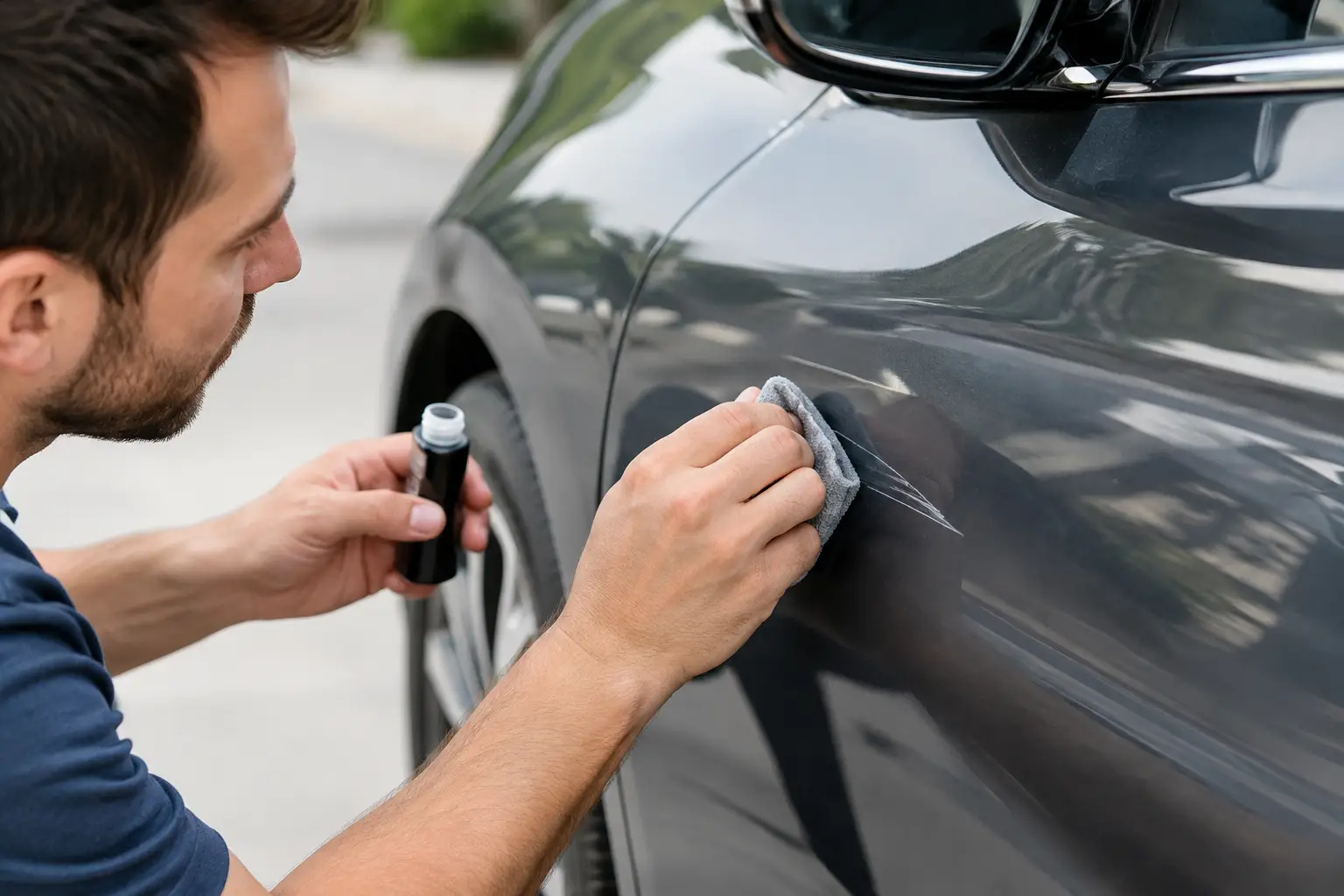
Paint work deserves the same attention. Matching a repaired panel to the rest of the vehicle can require blending adjacent panels, especially on metallic, pearl, tri-coat, faded, or custom finishes. This is not cosmetic excess. It is often part of achieving a consistent, like-new appearance rather than leaving a noticeable colour difference at the repair edge.
Repair, Replace, or Refinish?
The right method depends on the material, location, severity of damage, manufacturer procedures, and the part’s role in vehicle safety. A shallow door dent may be repaired and refinished. A cracked bumper cover may require replacement. A damaged structural component, suspension part, or airbag-related item requires particularly careful evaluation.
Repairing a part can be economical and appropriate when it can be restored to specification. Replacement may be necessary when a component cannot safely or reliably be repaired. An experienced shop should be able to explain the recommended approach in plain language, including how it affects fit, finish, safety, and timing.
Understanding Deductibles and Coverage
Your deductible is the portion of an eligible claim you are responsible for paying, based on your policy. If covered repairs are estimated at $4,000 and your deductible is $1,000, the deductible generally remains your responsibility while the insurer addresses the eligible balance. The specific handling depends on the claim type and policy details.
Do not assume every accident is treated the same way. Coverage, fault determination, rental vehicle eligibility, towing reimbursement, depreciation considerations, and deductible responsibilities can vary. Ontario policy wording and insurer direction matter, particularly where another driver is involved or where optional coverage has been selected.
A repair facility can help you understand the repair scope and communicate documentation needed for the work. Your insurer is the authority on coverage and claim decisions. Asking clear questions early prevents surprises later: What is my deductible? Is a rental vehicle included? Has the estimate been approved? Are there restrictions on parts? What should I do if additional damage is found?
Why Supplements Are Normal
A supplement is an addition or revision to the original estimate after new damage, required operations, or price changes are identified. It is common in collision repair and should not be confused with poor planning. Vehicles are complex, and meaningful damage can be hidden behind intact-looking exterior components.
The process should be transparent. The shop documents the newly discovered issue, prepares supporting information, and submits it to the insurer or appraiser for review where required. Work may pause briefly while authorization is obtained, which can affect the completion date.
Supplements are one reason it is wise to choose workmanship over a promise that sounds unusually fast. A dependable repair process allows time for proper disassembly, authorization, parts sourcing, refinishing, reassembly, quality checks, and final verification. The objective is not simply to return the vehicle quickly. It is to return it in a condition you can trust.
Parts Choices Can Affect Cost and Timing
Insurance estimates may reference original equipment manufacturer parts, aftermarket parts, recycled parts, or reconditioned components. Each option has a place, but the appropriate choice depends on your vehicle, policy, availability, repair requirements, and the condition of the part.
Original equipment manufacturer parts are made for the vehicle brand and can be preferred for fit, finish, features, or manufacturer-specific repair requirements. Aftermarket parts may offer a cost-effective alternative, although fit and availability can vary by product. Recycled parts can be suitable for certain items when quality and condition are verified, particularly for exterior components.
The important question is not simply which option costs less. Ask how the part supports correct fitment, corrosion protection, sensor operation, appearance, and long-term reliability. If you have a preference, raise it before repairs begin. Your insurer can clarify what your policy allows and whether there may be an additional cost.
Choosing a Repair Facility With Confidence
You may feel pressure to make a decision quickly after an accident, especially if the vehicle is not drivable. Take a moment to look for a facility that explains the process, documents the damage carefully, and has the capability to manage both visible body damage and related mechanical concerns.
A strong repair partner should be comfortable discussing repair methods, paint matching, parts, supplements, expected timelines, and the steps taken before delivery. Ask whether the shop will inspect for alignment, warning lights, sensor concerns, glass damage, and mechanical issues related to the impact. Clear answers are a sign that the repair is being managed as a complete safety and appearance project, not just a panel replacement.
For Hamilton drivers, ASC Auto Body & Sales brings more than two decades of experience to collision repair, refinishing, glass replacement, mechanical service, and claims-related repair support. That broad capability matters when an impact affects more than the surface of your vehicle.
Before You Approve the Repair
Read the estimate and ask for clarification on any line item you do not recognize. You do not need to become a collision expert, but you should understand the broad scope: which panels are being repaired or replaced, whether paint blending is anticipated, whether scans or calibration may be needed, and what remains subject to further inspection.
It also helps to confirm practical details before dropping off the vehicle. Ask about the expected repair sequence, communication updates, rental arrangements if applicable, personal belongings left in the vehicle, and how supplements will be handled. If the damage affects steering, brakes, tires, lighting, glass, or warning systems, make sure those concerns are noted from the beginning.
Keep copies of the final invoice, estimate revisions, warranty information, and claim correspondence. These records can be useful if you sell the vehicle, need future service, or have a question about the completed repair.
A collision estimate should give you direction, not add confusion. Choose a repair team that takes the time to inspect thoroughly, explain honestly, and restore your vehicle with the care its safety, performance, and appearance deserve. When you are ready to begin, schedule an assessment with a trusted Hamilton repair professional and bring your claim information with you.