A clean interior, shiny paint, and a smooth 10-minute test drive can make almost any vehicle feel like a smart purchase. The best used car inspection looks past that first impression. It identifies the wear, past damage, hidden faults, and upcoming repair needs that can turn a good-looking vehicle into an expensive surprise.
For Hamilton drivers, a pre-purchase inspection is one of the most practical steps to take before signing paperwork or transferring money. It gives you an independent view of the vehicle’s condition, helps you negotiate with accurate information, and lets you decide whether the car suits your needs and budget.
What the Best Used Car Inspection Should Cover
A proper inspection is more than plugging in a scanner and taking a quick walk around the vehicle. A skilled technician examines the vehicle as a complete system: safety, mechanical reliability, body condition, previous collision repairs, and evidence of neglected maintenance all matter.
The scope can vary depending on the vehicle’s age, mileage, price, and history. A low-mileage late-model SUV may need close attention to electronic systems and collision repair quality. An older commuter car may call for a deeper look at rust, suspension wear, brakes, fluid leaks, and the condition of major components. In either case, the goal is the same: understand what you are buying before it becomes your responsibility.
Safety systems come first
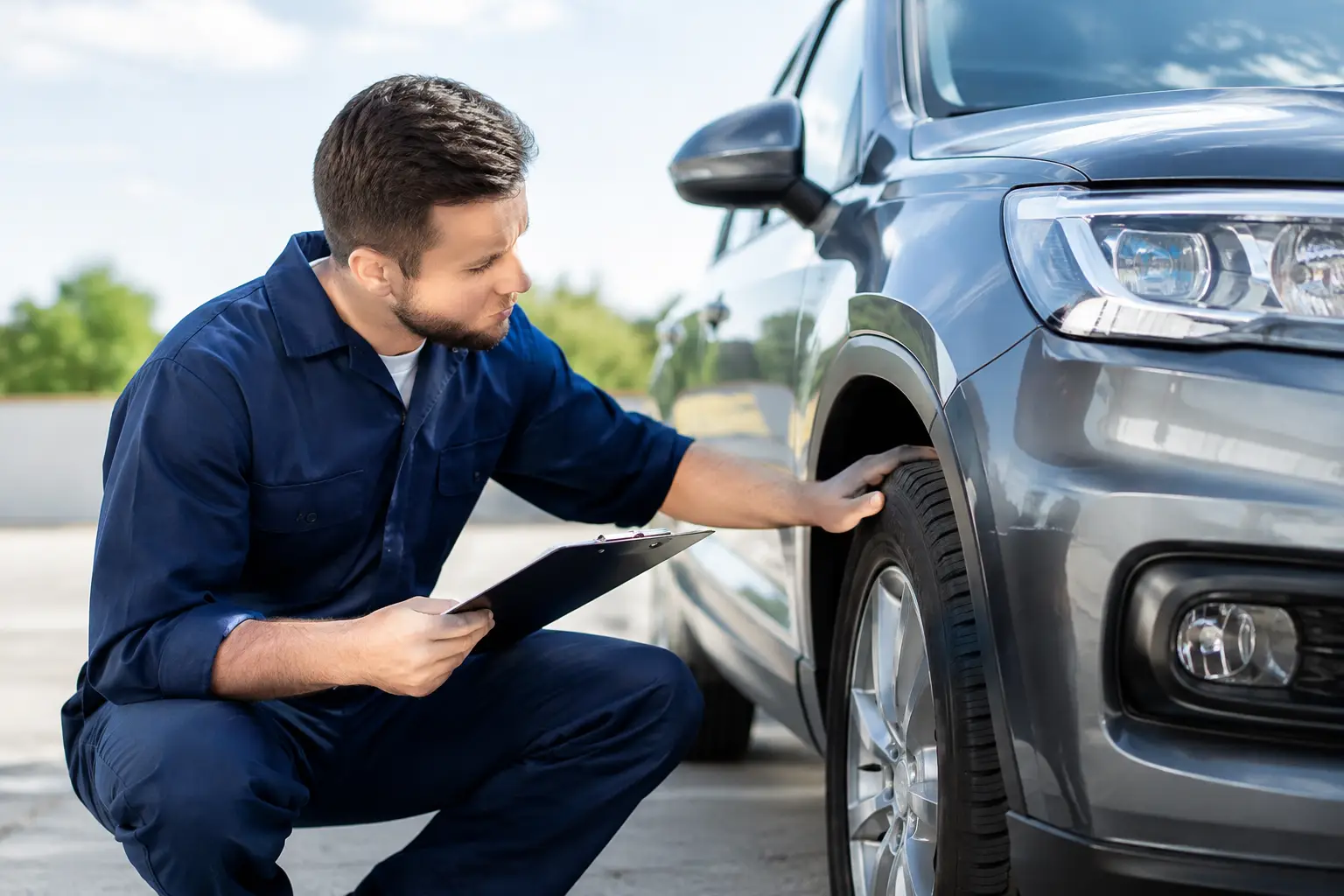
Brakes, tires, steering, suspension, lights, and windshield condition deserve careful attention. A technician should measure brake wear, inspect rotors and brake lines, check tire tread and tire age, and look for uneven tire wear. Uneven wear can point to alignment problems, worn suspension parts, or previous impact damage.
Steering and suspension checks are equally valuable on Ontario roads. Loose ball joints, worn control arm bushings, damaged shocks, and noisy wheel bearings may not be obvious during a short drive, but they can affect handling, tire life, and safe stopping performance. The inspection should also confirm that exterior lighting works correctly and that the vehicle has no visible concerns that compromise visibility.
Mechanical condition tells the longer story
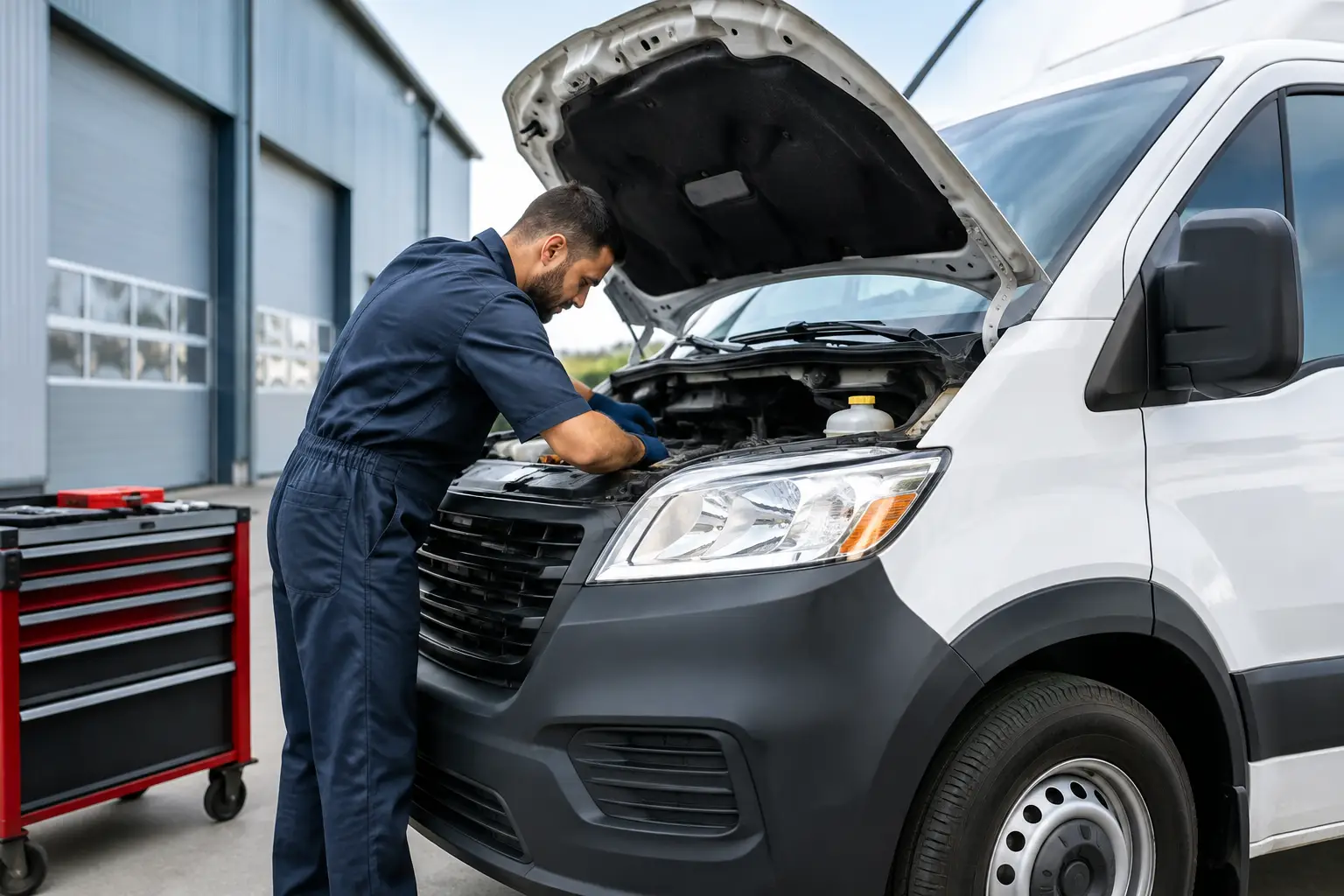
An engine that starts easily is not automatically an engine in good condition. The inspection should include a check for fluid leaks, abnormal noises, smoke, rough idling, overheating concerns, damaged hoses, and signs of poor maintenance. Engine oil, coolant, brake fluid, transmission fluid where accessible, and other fluids can reveal a great deal about how a vehicle has been cared for.
A diagnostic scan is another essential part of evaluating modern vehicles. It can identify stored fault codes, pending faults, and warning-light issues that may not appear on the dash during your viewing. However, a scan alone is not enough. A code points to an area that needs attention; it does not replace a hands-on inspection or a proper road test.
Transmission performance also needs to be assessed. During a road test, a technician listens and feels for delayed engagement, harsh shifts, slipping, vibration, hesitation, or unusual noise. Not every issue means the vehicle should be avoided, but major drivetrain repairs can be costly and should be reflected in your decision and purchase price.
Bodywork and previous collision repairs matter
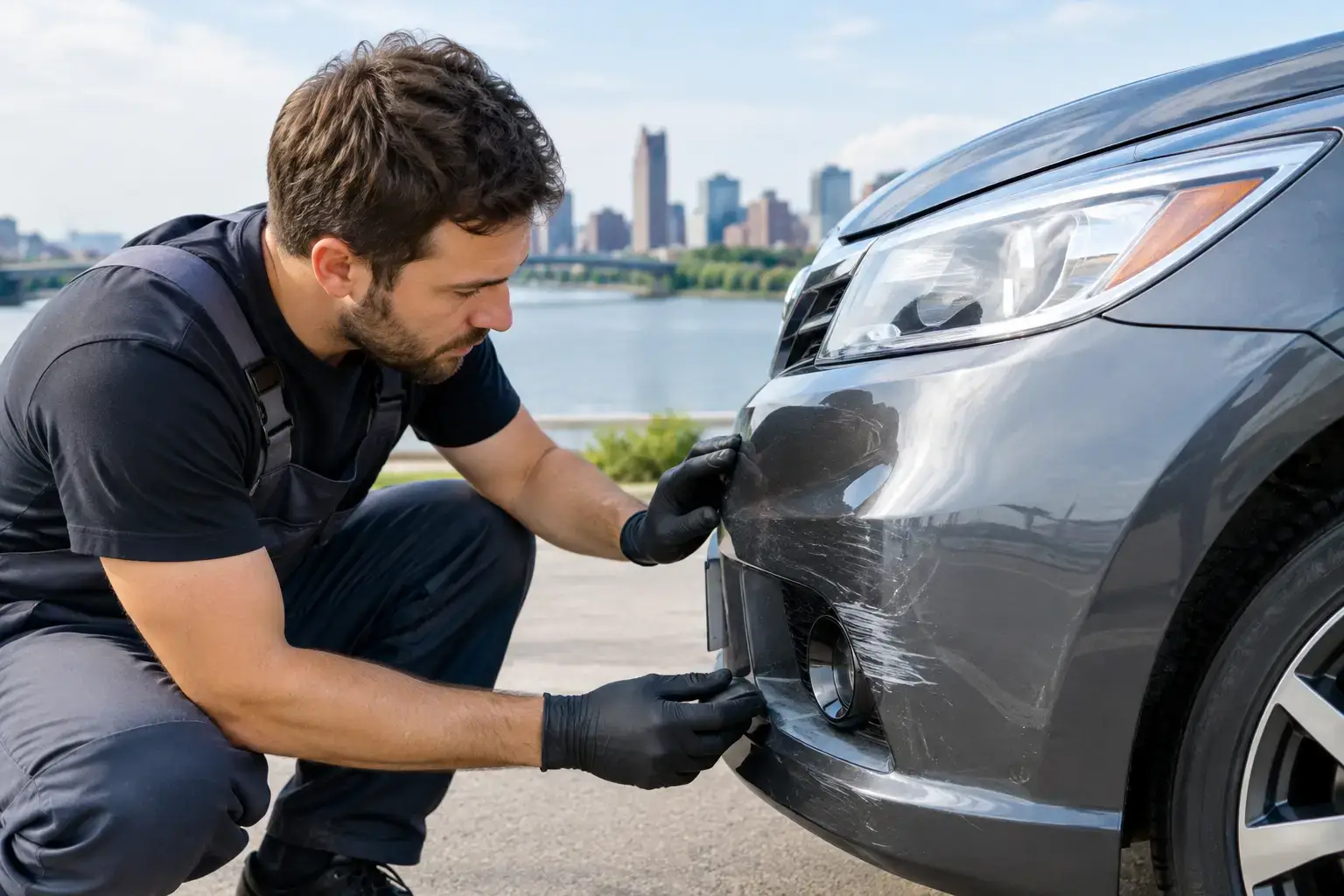
Paintwork, panel gaps, replaced glass, overspray, and inconsistent finishes can indicate prior collision damage. Previous repairs are not necessarily a reason to walk away. A properly repaired vehicle can provide years of dependable service. The concern is poor workmanship, incomplete repairs, or structural damage that was not restored to a safe standard.
An experienced body repair professional looks for differences in paint texture or colour, misaligned bumpers and doors, missing fasteners, corrosion starting under repaired areas, and signs that panels have been replaced. They can also check the underbody for impact damage, especially around suspension mounting points, rocker panels, floor areas, and the exhaust system.
Rust deserves special attention in Hamilton and across Southern Ontario. Road salt, moisture, and winter driving can cause corrosion that starts where it is hard to see. Surface rust may be manageable, while corrosion in structural areas, brake lines, subframes, or mounting points can be a serious concern. A vehicle can look excellent from the curb and still have significant rust underneath.
Best Used Car Inspection: Questions to Ask the Seller
A seller’s answers should support what the vehicle itself tells you. Ask whether there are service records, collision records, outstanding repairs, warning lights, or known mechanical concerns. If records are available, look for regular oil changes, brake work, tire replacement, transmission service when required, and repairs that match the vehicle’s age and mileage.
Be cautious if the seller refuses an independent inspection or pressures you to make a decision immediately. A private seller may not know every issue with the vehicle, and that does not automatically signal dishonesty. Still, a reasonable seller should understand why a buyer wants a qualified technician to inspect a major purchase.
Pay particular attention to these signs before you book an inspection:
- A fresh safety certificate with no supporting maintenance history
- A recently cleared warning light or a dashboard that does not illuminate at startup
- A vehicle priced far below similar local listings without a clear explanation
- Uneven paint, new undercoating in isolated areas, or vague answers about past damage
A Safety Standards Certificate is not the same as a full pre-purchase inspection. In Ontario, a safety certificate confirms that a vehicle met specific minimum safety requirements at the time it was inspected. It does not guarantee the condition of the engine, transmission, air conditioning, bodywork, or every costly component. It should never be treated as a complete assessment of value or long-term reliability.
Why a Road Test and Lift Inspection Both Matter
Some faults only show up while the vehicle is moving. A proper road test can reveal pulling under braking, vibration at highway speed, clunks over rough pavement, delayed acceleration, wind noise, or unusual transmission behaviour. The technician can also check how the vehicle tracks, stops, responds, and performs once it reaches operating temperature.
Other issues are only visible from below. Raising the vehicle allows the technician to inspect for leaks, corrosion, damaged shields, exhaust concerns, loose components, worn suspension parts, and evidence of poor collision repairs. This is where a brief parking-lot inspection falls short.
The best approach combines the road test, diagnostic scan, visual body assessment, and undercarriage inspection. No inspection can predict every future repair, especially on an older vehicle, but it can dramatically reduce uncertainty and reveal whether the price reflects the vehicle’s true condition.
Use the Results to Make a Better Decision
An inspection report is not simply a pass-or-fail document. Many used vehicles will have recommendations, particularly if they are older or have higher mileage. The key is separating routine maintenance from urgent safety concerns and major repair risks.
For example, tires approaching replacement, brake service due soon, or a minor oil seep may be reasonable items to budget for. Significant rust, airbag faults, overheating, transmission slipping, structural repair concerns, or major engine noise require a more careful decision. Depending on the cost and severity, you may negotiate the price, ask the seller to complete repairs, or choose another vehicle.
It is also worth considering how you plan to use the vehicle. A family vehicle needs dependable brakes, tires, heat, and safety systems. A work vehicle needs reliability that protects your schedule and operating costs. An enthusiast vehicle may justify certain cosmetic or mechanical projects, but only if you understand the time and investment involved.
At ASC Auto Body & Sales, our experienced technicians understand that a used vehicle purchase should bring confidence, not uncertainty. A thorough inspection can identify concerns in the body, mechanical systems, brakes, tires, diagnostics, and undercarriage before they become your problem.
Before you commit to your next vehicle, give it the same care you would expect after an accident or before a long family drive. A professional inspection is a small step that can protect your safety, your budget, and the confidence you feel every time you turn the key.