A collision can turn an ordinary commute through Hamilton into a long list of decisions. The right collision shop selection questions help you look past a quick estimate and choose a repair facility that protects what matters most: your vehicle’s safety, performance, appearance, and value.
A damaged bumper, door, windshield, or quarter panel can involve much more than what is visible at first glance. Modern vehicles contain sensors, cameras, wiring, structural components, and paint systems that need careful attention. A dependable shop will welcome informed questions and explain the work in clear, practical language.
Ask Who Will Repair Your Vehicle
Start with the people and the facility. Ask how long the shop has been serving the community, what experience its technicians have with collision repair, and whether it handles the type of damage your vehicle has sustained. A shop that regularly completes cosmetic repairs may be a good fit for scratches and minor dents, while more significant impacts call for proven structural repair knowledge and accurate measuring equipment.
It is also reasonable to ask whether the work is completed in-house or sent elsewhere. Paint refinishing, glass replacement, alignments, mechanical repairs, and calibration work can involve different specialists. There is nothing wrong with a shop coordinating qualified outside services when needed. What matters is that it clearly explains who is responsible for the repair process and quality control from drop-off to pickup.
For Hamilton drivers, local experience has value. A facility that has served the area for years understands the expectations of local customers, insurance processes, winter driving damage, and the need to get family, commuter, and work vehicles safely back on the road.
Collision Shop Selection Questions About the Repair Plan
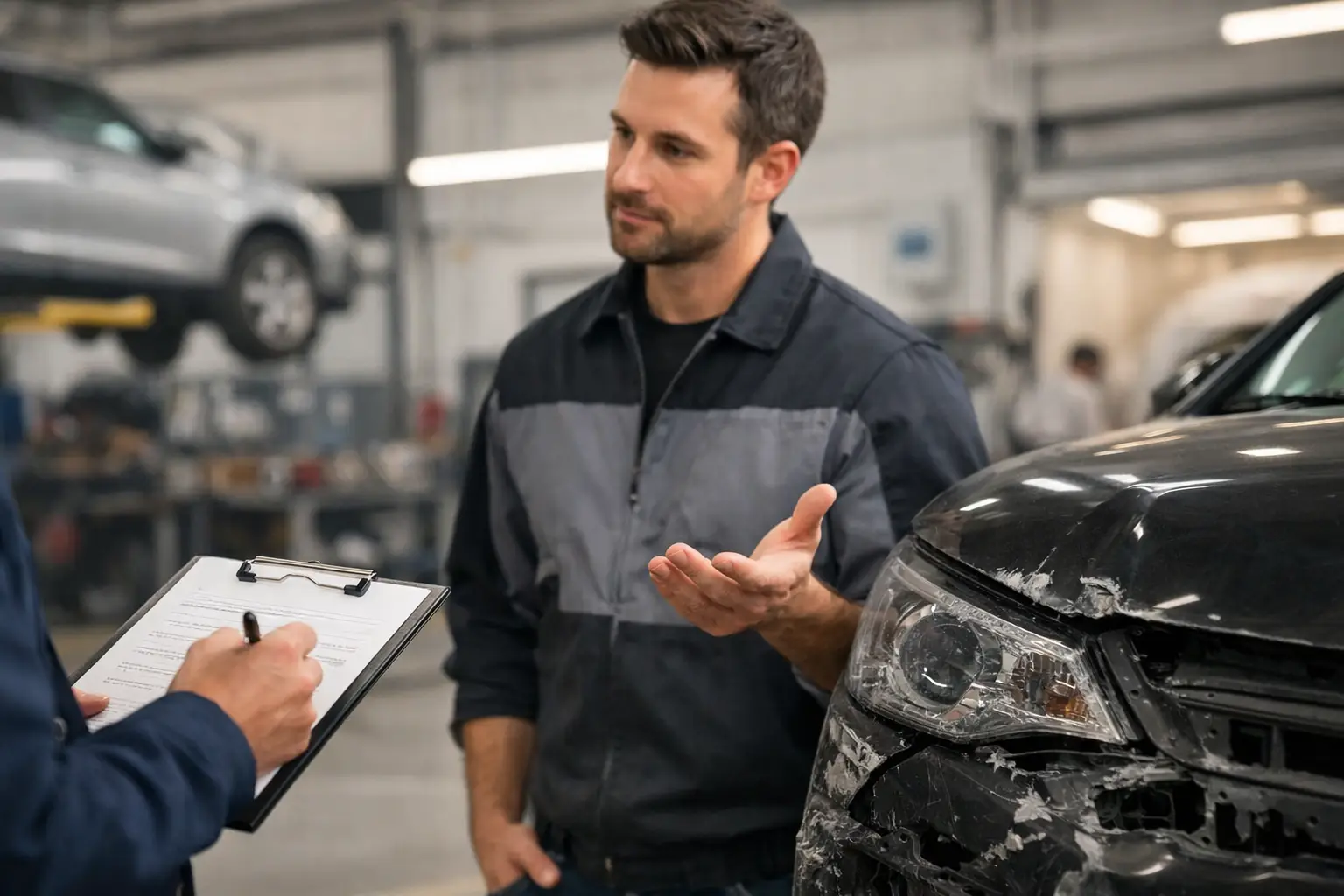
An estimate is a starting point, not always the final repair plan. Ask the shop to walk you through the visible damage, the likely hidden damage, and the next steps if additional issues are found after disassembly. Clear communication here prevents surprises later.
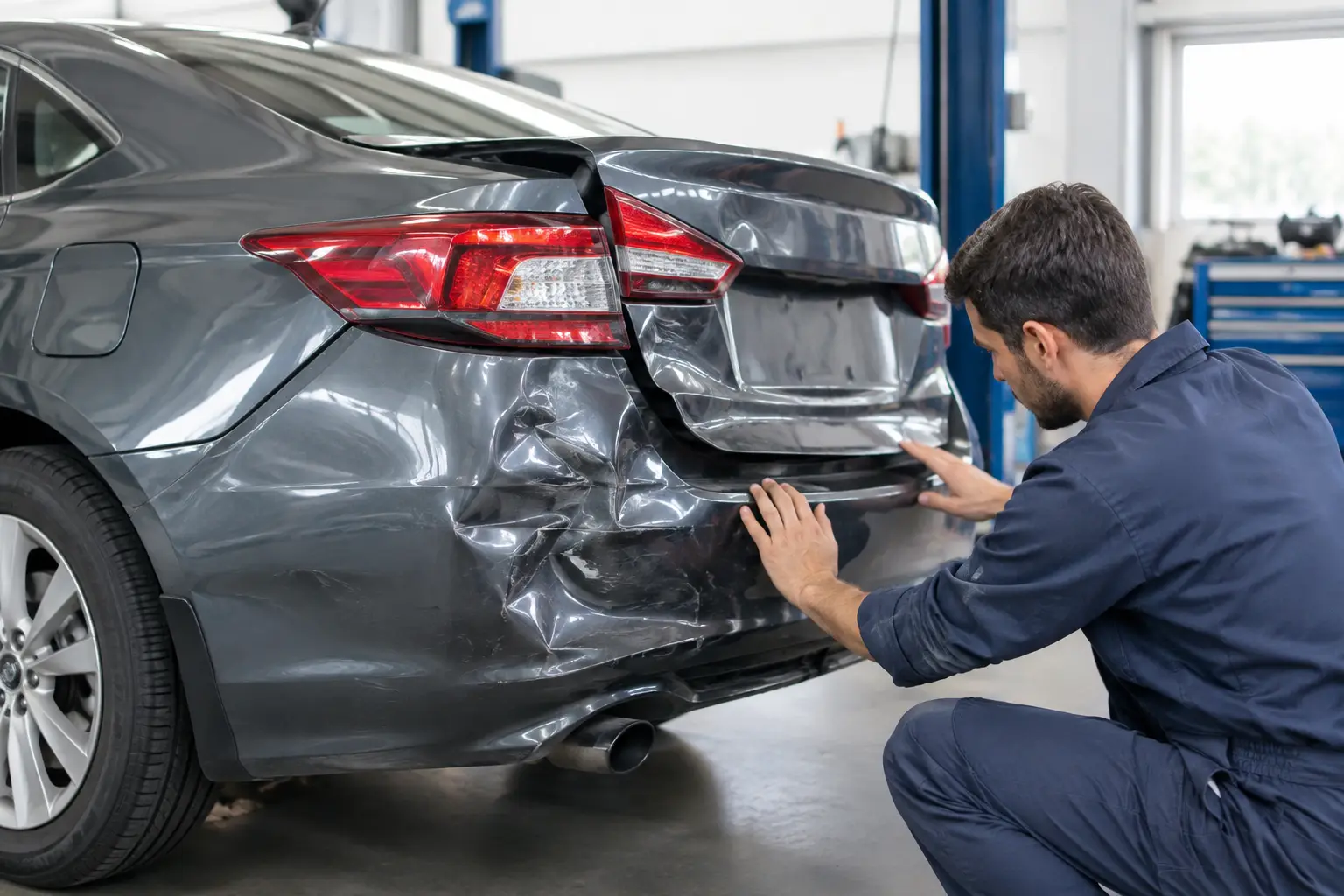
Ask whether the shop will inspect related areas, not only the panel that looks damaged. For example, a rear-end collision may affect bumper reinforcement components, parking sensors, mounting brackets, trunk alignment, exhaust parts, or blind-spot monitoring equipment. A front impact may require attention to cooling components, headlights, suspension, steering, and radar or camera systems.
You should also ask how the shop confirms that the vehicle has been repaired to safe operating condition. Depending on the vehicle and the collision, this may include wheel alignment, a road test, diagnostic scanning, sensor checks, and calibration of advanced driver-assistance systems. Features such as lane support, adaptive cruise control, emergency braking, and parking assistance depend on accurate positioning and proper calibration after certain repairs.
The best answer will not be a vague promise that everything will be checked. Look for an explanation of the specific inspections appropriate to your vehicle and its damage.
Ask About Parts Before Work Begins
Parts are one of the most practical topics to discuss. Ask what type of replacement parts the estimate includes and whether there are options. Original equipment manufacturer parts, aftermarket parts, recycled original parts, and reconditioned components can each have a place in a collision repair.
The right choice depends on your vehicle, the part being replaced, availability, your insurance coverage, budget, and the repair standard required for fit, function, and safety. An original equipment part may be preferred for certain components or newer vehicles, while a quality recycled part can be a sensible option for some repairs. A professional shop should explain the trade-offs without pressuring you into a choice you do not understand.
Ask how the shop verifies fit and finish before the vehicle is returned. Panels, lamps, mouldings, bumpers, and trim need to align properly. If a replacement part does not meet the required standard, the shop should have a process for correcting the issue rather than accepting a poor fit.
Discuss Paint Match, Rust Prevention, and Finish Quality
Paintwork is where craftsmanship becomes highly visible. Ask whether the shop will blend adjacent panels when necessary to achieve a consistent colour match. This can be particularly relevant with metallic, pearl, tri-coat, and weathered finishes, where painting a single panel may create a noticeable difference under changing light.
Ask how panels are prepared before refinishing and what protection is applied to repaired areas. Proper preparation, corrosion protection, priming, and refinishing all contribute to a durable result. In Ontario, road salt, moisture, and changing temperatures are hard on vehicles. A repair that looks good on pickup day should also be prepared to stand up to daily use.
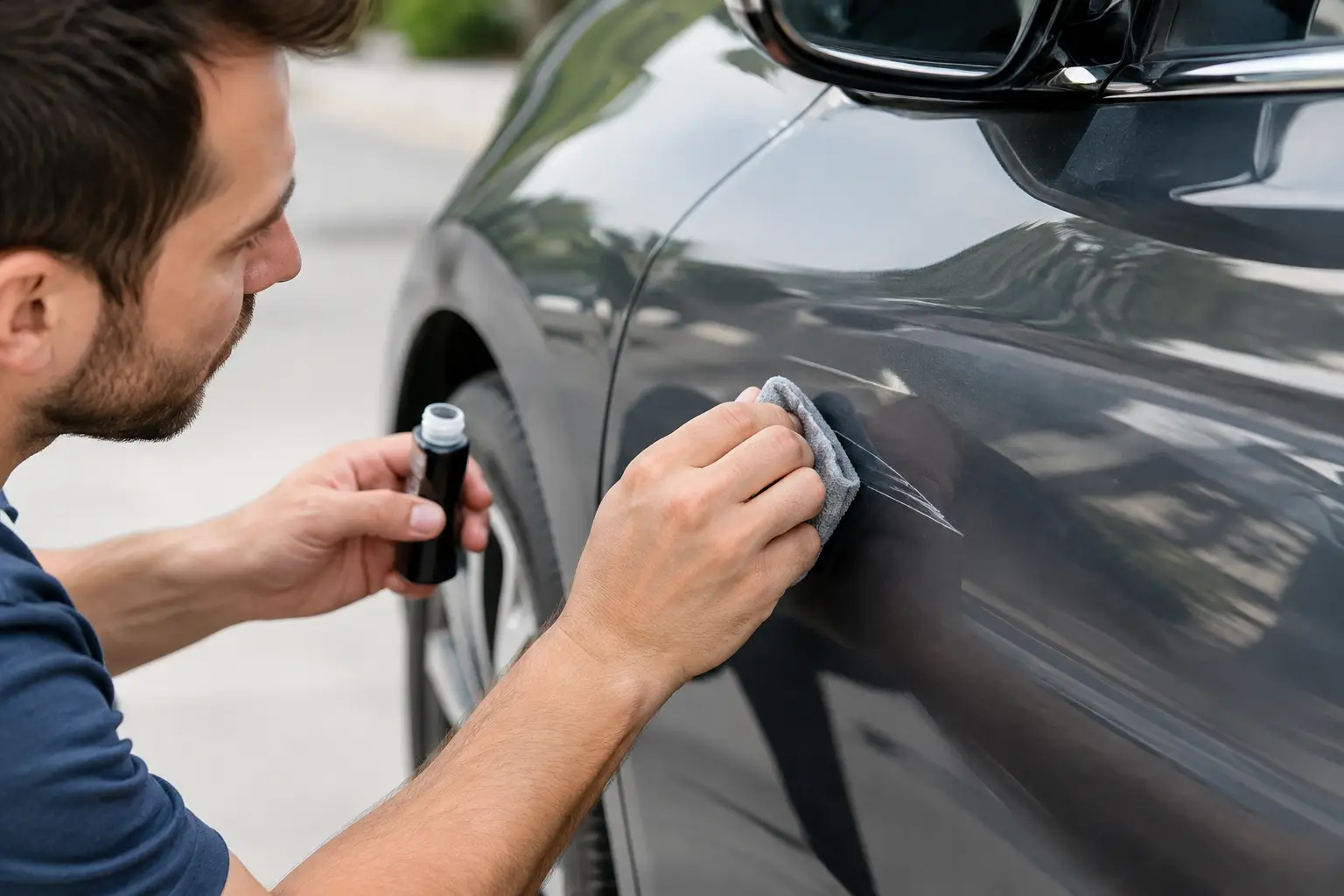
If your vehicle has only a small dent or scratch, ask whether a less extensive repair is suitable. Sometimes a targeted repair is the most efficient solution. In other cases, a broader refinish is necessary for colour consistency and lasting appearance. A trustworthy recommendation is based on the actual condition of the vehicle, not simply the fastest path through the job.
Clarify Insurance Support and Your Responsibilities
After an accident, insurance paperwork can feel as stressful as the damage itself. Ask whether the shop has experience working with collision claims and how it communicates with insurers about estimates, supplements, photos, and repair authorization.
You should still understand your own policy, deductible, rental coverage, and claim requirements. Ask the shop which items it can help coordinate and which decisions remain with you or your insurer. A repair facility can provide documentation and professional repair information, but your insurer determines coverage according to your policy.
It is also wise to ask about timing. Parts availability, insurer approvals, additional damage discovered during teardown, and required calibrations can all affect the schedule. Be cautious of a shop that gives an absolute completion date before the vehicle has been properly assessed. A more dependable answer explains the expected timeline, the factors that could change it, and how you will receive updates.
Ask How the Shop Stands Behind Its Work
Before authorizing repairs, ask about the warranty. Find out what workmanship is covered, how long coverage applies, and whether any exclusions apply to parts, paint, rust, or damage unrelated to the repair. Request that the warranty terms be explained clearly and retained with your repair documents.
Communication after pickup matters, too. Ask what to do if you notice a concern with panel alignment, warning lights, paint finish, or vehicle operation. A professional shop should invite you to return for inspection rather than leave you wondering whether an issue is normal.
This is also a good time to ask whether the shop can address related needs in one visit. Collision damage sometimes reveals overdue brake service, worn tires, an alignment concern, or mechanical issues that deserve attention. Combining appropriate services can save time, but the work should always be separated clearly on the estimate so you can make an informed decision.
Look for Clear Answers, Not Fast Promises
The strongest collision shop selection questions are the ones that reveal how a business communicates when the repair becomes complicated. Listen for straightforward answers about repair methods, parts, timing, costs, and safety checks. You should never feel rushed to approve work you do not understand.
At ASC Auto Body & Sales, more than two decades of Hamilton service has shown that confidence comes from careful workmanship and honest communication, not shortcuts. A proper repair should restore the appearance you expect while supporting the dependable road performance you need.
When you choose a collision shop, choose the team that takes the time to examine the full picture. The right questions can turn a difficult accident repair into a clear path back to a vehicle you are comfortable driving every day.