

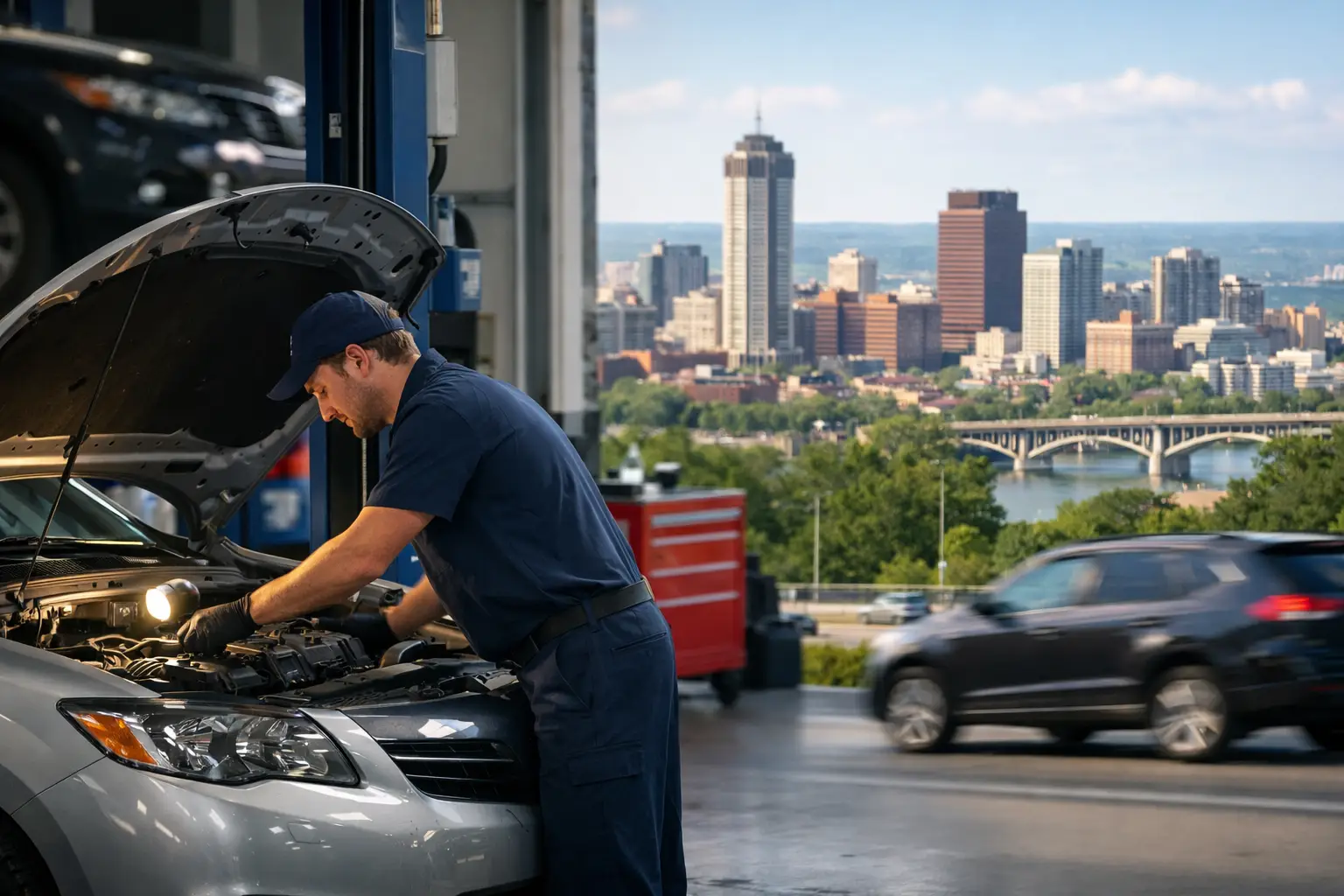
A new noise is easy to ignore when the vehicle still starts, stops, and gets you to work. But a squeal at the brakes, a warning light on the dash, or a pull in the steering can turn a small auto repair into a larger safety concern if it is left too long. For Hamilton drivers, timely attention protects more than a vehicle’s appearance – it protects the people and work that depend on it.
Reliable vehicle care is not about repairing every minor issue immediately or replacing parts without a reason. It is about knowing what needs prompt attention, what can be monitored, and where skilled diagnosis makes the difference. From collision damage and cracked glass to maintenance and mechanical concerns, the right repair plan restores confidence behind the wheel.
Auto Repair Starts With an Accurate Diagnosis
The most effective repair is based on the actual cause of a problem, not just the symptom. A vibration may come from worn tires, a wheel balance issue, brake components, suspension wear, or damage after striking a pothole. An engine light can point to anything from a loose fuel cap to a sensor, ignition issue, or emissions-related fault.
That is why professional diagnostics matter. Technicians combine scan-tool information with visual inspections, test drives, and their experience with how vehicles behave on the road. Replacing the first part associated with a fault code is not always the right answer. The code identifies an area to investigate; it does not automatically confirm the failed component.
For vehicle owners, this approach means clearer decisions. You should understand what is causing the concern, what work is recommended now, and whether related maintenance should be planned for a later visit. Good auto repair supports safety and long-term value without turning every appointment into unnecessary work.
When a Repair Should Not Wait
Some issues leave room to book a convenient appointment. Others deserve immediate attention because they can affect stopping distance, handling, visibility, or the risk of a breakdown. If a warning light flashes, the engine overheats, steering becomes difficult, or you smell burning, it is wise to stop driving when it is safe and arrange an inspection.
Brake concerns also require a quick response. A soft pedal, grinding sound, brake warning light, vibration while braking, or a vehicle that pulls to one side can signal worn components or a hydraulic issue. Brake service may involve pads and rotors, but the full system deserves inspection, including calipers, lines, fluid condition, and parking brake operation where applicable.
Tire condition is equally important in Hamilton’s changing weather. Uneven wear, recurring pressure loss, sidewall damage, or vibration can reduce traction and compromise control. A tire rotation can help wear remain even, while alignment work may be needed when the vehicle drifts, the steering wheel sits off-centre, or tires show unusual wear patterns.
Routine Service Prevents Expensive Surprises
Routine maintenance does not eliminate every repair, but it gives technicians a chance to find concerns before they become roadside problems. Oil changes protect engine components by maintaining proper lubrication and helping manage heat. The correct interval depends on the vehicle, driving habits, oil type, and manufacturer recommendations. Short trips, heavy traffic, towing, and frequent cold starts can be harder on a vehicle than mostly highway driving.
During regular service, it also makes sense to assess fluids, filters, belts, hoses, battery condition, tires, brakes, suspension components, and visible leaks. These checks are practical because vehicle systems affect one another. For example, weak suspension parts can contribute to uneven tire wear, while neglected cooling-system concerns can place an engine at risk.
Transmission service deserves the same thoughtful approach. Some vehicles have specific fluid intervals, while others require assessment based on age, mileage, operating conditions, and symptoms. Harsh shifting, slipping, delayed engagement, or fluid leaks should be examined rather than dismissed as normal ageing. Early diagnosis can provide more repair options than waiting until the vehicle no longer drives properly.
Collision and Cosmetic Damage Are More Than Appearance
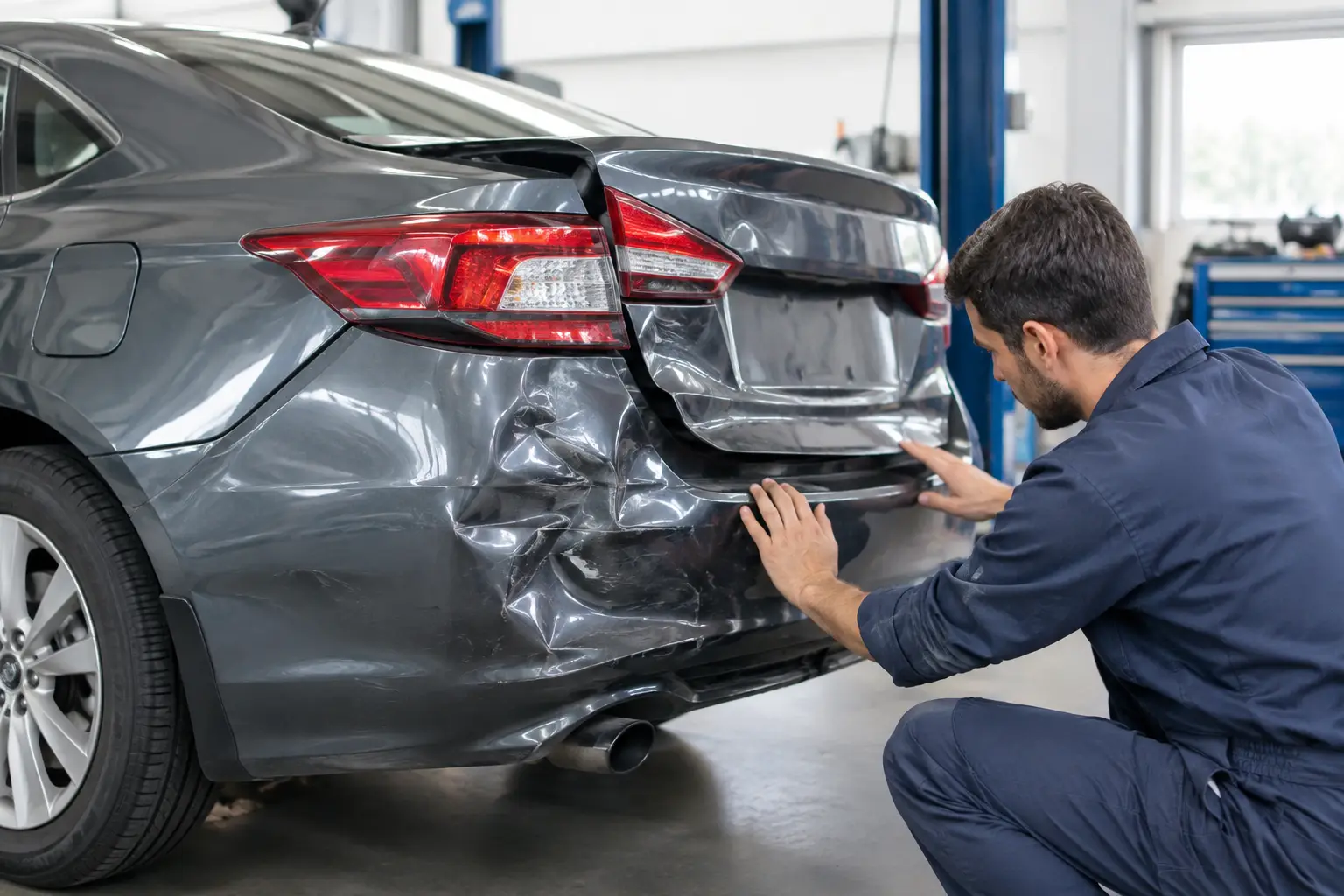
After a collision, dents, scratches, and cracked panels are often the most obvious reminders. What is less visible can be just as important. Modern bumpers, body panels, lights, sensors, mounting points, and structural areas all play a role in the vehicle’s safety systems and fitment.
A proper collision repair begins with a careful assessment of the damage. Even a low-speed impact may affect panel alignment, wheel alignment, lighting, glass, or components behind the bumper cover. Professional repair work restores damaged areas with attention to fit, finish, and safe operation, rather than simply making the surface look better from a distance.
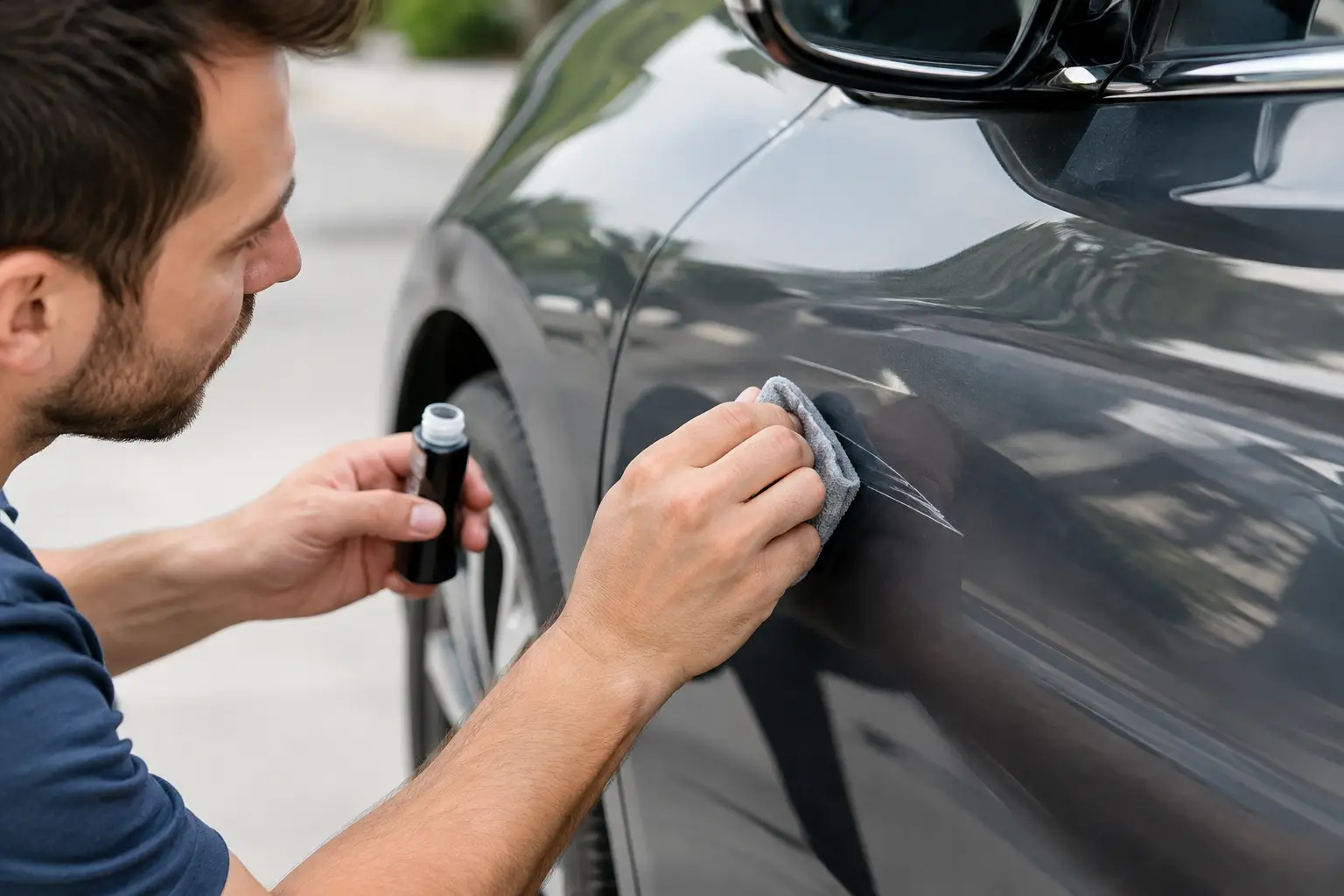
Refinishing is part of that standard. Paint repair requires sound preparation, accurate colour matching, controlled application, and finishing work that blends naturally with surrounding panels. The right process helps protect the vehicle from corrosion while restoring a clean, like-new appearance.
Glass damage should be handled with the same care. A small chip may sometimes be repairable, depending on its size and location. A crack that spreads, damage in the driver’s direct view, or compromised glass near critical areas may require replacement. Clear, undamaged glass supports visibility and contributes to the overall integrity of the vehicle.
How to Make Better Decisions at the Shop
Vehicle repairs can feel stressful when the problem is unexpected. A few practical questions can make the process more straightforward. Ask what the technician found, what evidence supports the recommendation, and whether the work is urgent, preventative, or primarily cosmetic. If several repairs are needed, ask which items should be prioritized for safety and reliability.
It also helps to share useful details: when the issue began, whether it happens at certain speeds, what the weather was like, if warning lights appeared, and whether the vehicle was recently involved in an impact or pothole strike. These observations can shorten diagnostic time and help identify intermittent concerns.
Cost matters, and the lowest estimate is not always the best value. Parts quality, proper preparation, diagnostic time, repair procedures, and workmanship all affect the outcome. This is particularly true for collision work, brakes, paint refinishing, and complex mechanical systems. The goal is not simply to get the vehicle out of the shop quickly; it is to return it in a condition you can depend on.
A Local Repair Partner Makes Ownership Easier
A vehicle often has more than one need at a time. A commuter car may be due for an oil change while showing uneven tire wear. A family SUV may need collision repairs, glass replacement, and a mechanical inspection after an accident. A work vehicle may need efficient service to minimize downtime without overlooking the repairs that keep it safe and productive.
Choosing a shop that understands both bodywork and mechanical service can make those situations easier to manage. At ASC Auto Body & Sales, more than two decades of Hamilton experience inform a precision-focused approach to collision repair, refinishing, maintenance, diagnostics, and mechanical work. The priority is straightforward: restore vehicle appearance where needed and keep its operating performance ready for the road.
Keep a record of service visits, pay attention to changes in how your vehicle sounds or handles, and do not wait for a small concern to become an inconvenient one. A timely appointment can protect your budget, your schedule, and the confidence you feel every time you turn the key.