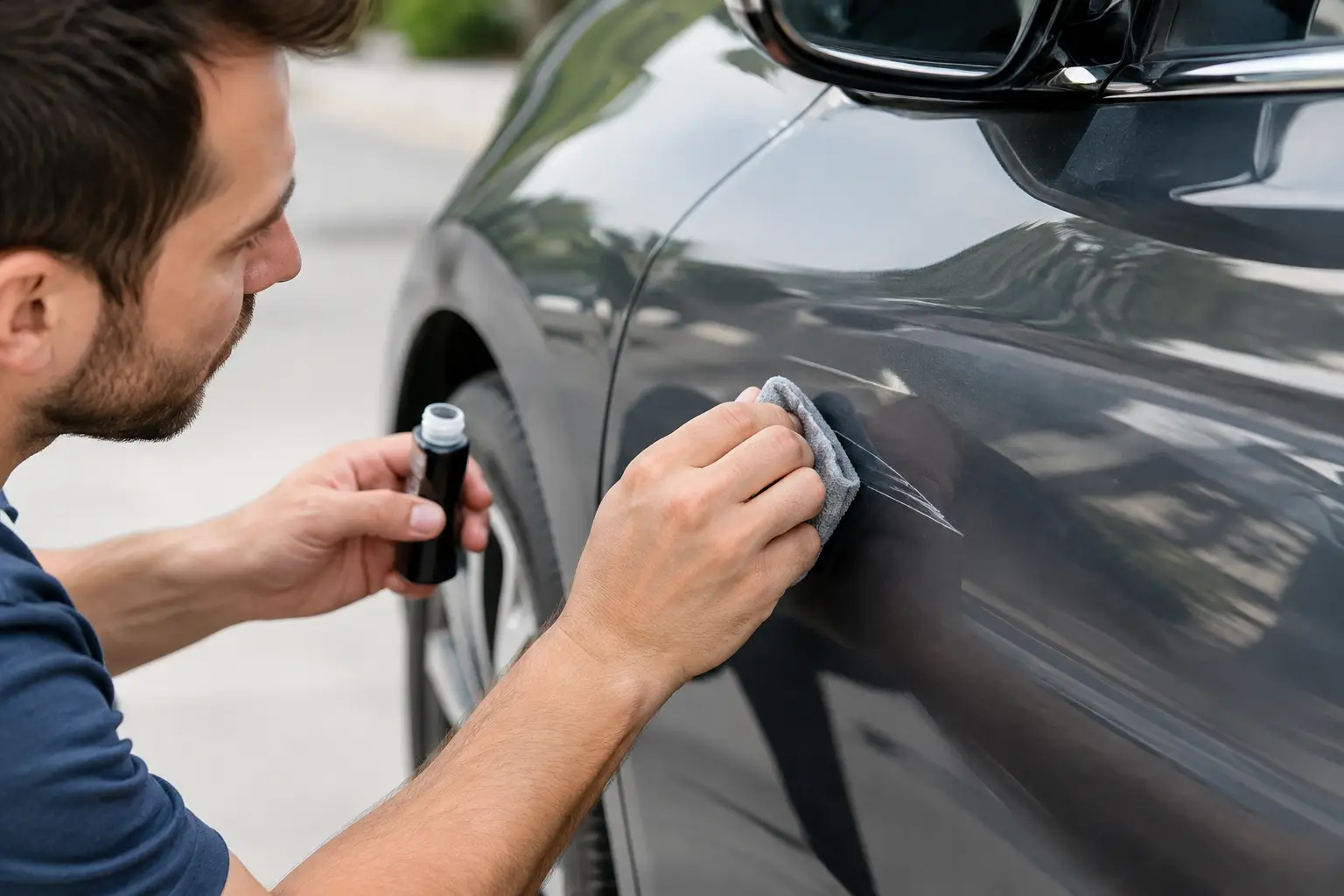




A stone chip can look minor on the drive home, then become a long crack after one cold Hamilton night. That is why windshield repair versus replacement is not simply a question of cost or appearance. Your windshield is a structural safety component that supports the roof, helps airbags deploy correctly, and gives you a clear, dependable view of the road.
The right decision depends on the damage itself, where it sits, how long it has been exposed to dirt and moisture, and the safety technology built into your vehicle. A professional inspection provides the clearest answer, but knowing the main factors can help you act quickly and protect your vehicle before a small issue becomes a larger repair.
When Windshield Repair Is the Right Choice
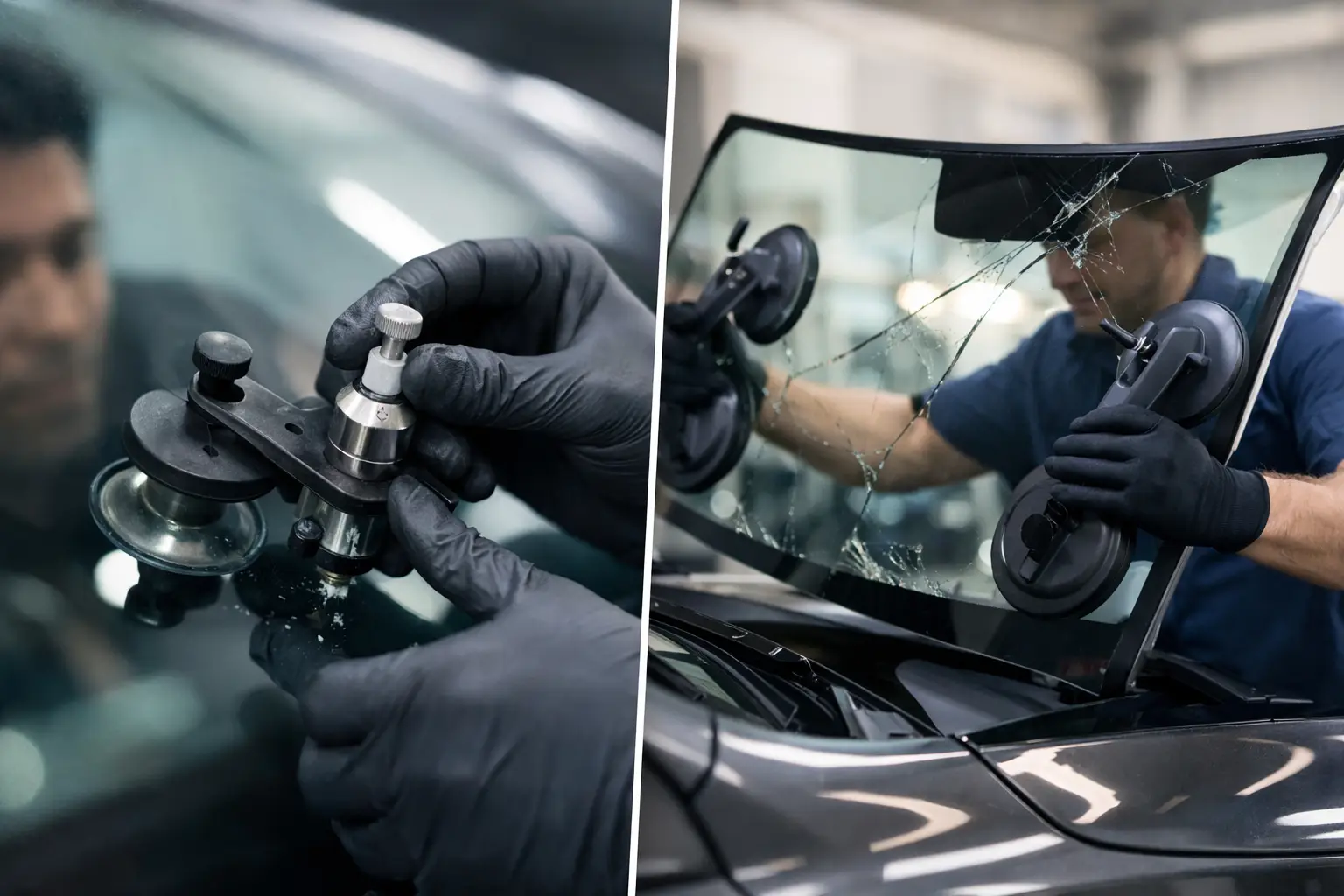
Windshield repair is often possible when the damage is small, contained, and away from the driver’s main field of vision. Most modern windshields are made from laminated safety glass: two layers of glass bonded around a plastic inner layer. During a repair, a technician injects a specialized resin into the break, removes air and moisture where possible, and cures the resin to stabilize the damaged area.
The goal is not always to make every mark disappear completely. A quality repair is designed first to restore strength and stop the damage from spreading. In many cases, the blemish becomes far less noticeable, but its final appearance depends on the type of chip, the condition of the glass, and how quickly the vehicle was brought in.
A repair may be a good option for a small bullseye, star break, or chip with short cracks extending from it. Damage closer to the centre of the windshield is generally more repairable than damage near the edge. The outer perimeter is under greater stress, and a crack in that area can affect the windshield’s overall integrity more quickly.
Speed matters. Road vibration, potholes, changing temperatures, defroster heat, and moisture can all cause a chip to expand. Covering the damaged spot with clear tape can help keep dirt out until you can arrange service, but it is not a repair. Avoid washing the vehicle with high-pressure water or blasting the defroster directly at the damaged section in the meantime.
The Benefits of Repairing a Chip Early
When repair is appropriate, it is usually the faster and more economical path. It preserves the factory-installed windshield, avoids the additional work of removing and installing glass, and may reduce the chance of a larger crack developing later.
It can also be the practical choice for an otherwise sound vehicle where the damage is caught right away. For drivers managing a busy commute, family schedule, or business vehicle, timely repair can minimize downtime without compromising safety.
When Windshield Replacement Is Necessary
Replacement is the safer choice when the damage cannot be reliably stabilized or when it affects visibility. A crack that reaches the edge of the windshield, extensive cracking, multiple impact points, or a break directly in the driver’s critical viewing area often calls for new glass.
The location of the damage matters as much as its size. Even a relatively small chip may require replacement if it sits where it distorts the driver’s view. Ontario drivers need clear sightlines in every season, from early-morning frost to rain, salt spray, and low winter sun. A repair that leaves visual distortion in the wrong place is not an acceptable compromise.
Replacement may also be recommended when a chip has been left open for too long. Dirt, water, and cleaning chemicals can work into the break, making a clean, lasting repair less predictable. If the glass has already begun to crack across the windshield, replacement is generally the dependable solution.
Your Windshield Is Part of the Safety System
A windshield does more than block wind and debris. In a collision, it contributes to the strength of the vehicle’s passenger compartment. It also helps keep occupants inside the vehicle during an impact and can provide a surface for passenger-side airbag deployment.
For this reason, windshield replacement requires careful preparation, the correct glass, and proper adhesive curing procedures. The vehicle should not be driven until the urethane adhesive has reached its required safe drive-away time. That time can vary based on the adhesive used, weather conditions, and the vehicle itself.
A windshield that has been installed correctly should feel like part of the vehicle, not an afterthought. Proper fitment helps prevent water leaks, wind noise, corrosion around the frame, and avoidable safety concerns down the road.
Windshield Repair Versus Replacement on Modern Vehicles
Modern windshields often carry far more than glass. Cameras, rain sensors, humidity sensors, heating elements, heads-up display components, and antennas may be mounted in or around the windshield. Many late-model vehicles use a forward-facing camera near the rear-view mirror for advanced driver-assistance systems, commonly called ADAS.
These systems can support features such as lane departure warnings, lane-keeping assistance, automatic emergency braking, adaptive cruise control, and traffic sign recognition. If the windshield is replaced, the camera may need calibration so it can accurately interpret the road ahead.
Calibration is not a cosmetic add-on. A camera that is even slightly out of position may affect how driver-assistance features respond. Depending on the vehicle, calibration may be performed in a controlled shop setting, through a road-based procedure, or with a combination of both. A qualified shop will identify this requirement before the work begins and confirm that the vehicle’s systems are functioning as intended afterward.
This is one reason the lowest initial quote is not always the best value. A complete replacement estimate should account for the correct windshield specification, mouldings or clips where needed, installation materials, and any required ADAS calibration. Ask what is included so you can compare service properly.
OEM, Aftermarket, and the Right Glass for Your Vehicle
During replacement, you may have options regarding the glass used. Original equipment manufacturer, or OEM, glass is produced to the vehicle manufacturer’s specifications. Aftermarket glass is made by other manufacturers and can be a suitable, cost-conscious choice when it meets applicable safety standards and fits the vehicle correctly.
The best option depends on your vehicle, insurance coverage, features, and expectations. A windshield with acoustic glass, solar coating, a heated wiper area, a heads-up display, or camera mounts may require a very specific part. Using glass that does not match the vehicle’s original features can create compatibility issues or reduce the performance you expect.
Rather than choosing solely by price, consider the full repair outcome: fit, optical clarity, feature compatibility, warranty coverage, and correct calibration. An experienced technician can explain the available options in plain language and recommend the right approach for your vehicle.
Insurance and Cost Considerations in Ontario
Comprehensive insurance coverage may include windshield damage, but every policy is different. Some policies have a deductible that makes a small repair more practical to pay for directly, while others may offer glass coverage with little or no out-of-pocket cost. Before authorizing work, review your policy or contact your insurer to understand your deductible and claims process.
Do not let uncertainty about coverage delay an inspection. A repairable chip can become a replacement-sized crack in very little time, especially through Ontario’s freeze-thaw cycles. Getting a professional assessment early gives you more options and helps you make an informed decision before the damage spreads.
If the damage followed a collision, there may be more to inspect than the glass itself. Impacts can affect mouldings, mirrors, body panels, sensors, door frames, and wheel alignment. ASC Auto Body & Sales can assess the vehicle as a whole, helping Hamilton drivers address visible damage and the safety-related details that are easier to miss.
What to Do After Windshield Damage
First, inspect the damage without touching or pressing on it. Take a clear photo for your records and insurance provider if needed. Keep the area dry and clean, and arrange an assessment as soon as possible.
If the crack is growing, obstructs your view, or sits near the windshield’s edge, avoid treating it as a minor issue. Do not attempt a do-it-yourself repair on damage that may require replacement, and do not rely on tape or resin kits as a substitute for professional advice. The right solution should protect your visibility, your vehicle’s safety systems, and your confidence behind the wheel.
A prompt inspection is the best next step after any chip or crack. It gives you a clear recommendation, protects the value and safe operation of your vehicle, and helps keep a small road hazard from interrupting many more kilometres ahead.