



A collision can turn an ordinary Hamilton commute into a stressful series of decisions within seconds. This vehicle accident documentation guide gives Ontario drivers a clear, practical way to record what happened, protect the details that matter, and make the repair process easier once everyone is safe.
Put Safety Before Documentation
Documentation begins only after you have addressed immediate safety. Stop your vehicle, turn on your hazard lights, and check yourself, your passengers, and anyone else involved for injuries. Call 911 when there is an injury, a serious hazard, suspected criminal activity, or emergency assistance is needed.
If the vehicles can be moved safely and lawfully, get them out of active traffic. Do not place yourself between vehicles, walk into traffic for a better photo, or argue about fault at the roadside. A complete record is valuable, but no image or document is worth risking another injury.
Once the scene is safe, take a moment to slow down. People often remember the impact but lose smaller details such as which lane they were in, the colour of a traffic signal, or where debris landed. Recording those observations promptly can make your account much clearer later.
Your Vehicle Accident Documentation Guide at the Scene
Start with the essential information from every driver involved. Ask to see the documents rather than relying only on a verbal exchange, and write details down carefully. A simple note on your phone is usually enough, provided you back it up later.
Record the following:
- Each driver’s full name, phone number, address, driver’s licence number, and licence plate number.
- Vehicle make, model, year, colour, and vehicle identification number if available.
- Insurance company, policy number, and the insurer’s contact information.
- The exact location, date, time, weather conditions, and road conditions.
- Names and contact details for witnesses who saw the collision.
- Badge numbers and report information if police attend the scene.
Be courteous and factual. Exchange the information required, but avoid statements such as “I did not see you” or “this was my fault” before the full circumstances are reviewed. Fault decisions can involve road conditions, signals, vehicle positions, witness evidence, and provincial insurance rules. Your job at the scene is to provide an accurate account, not to settle the claim on the spot.
Take Photos That Tell the Full Story
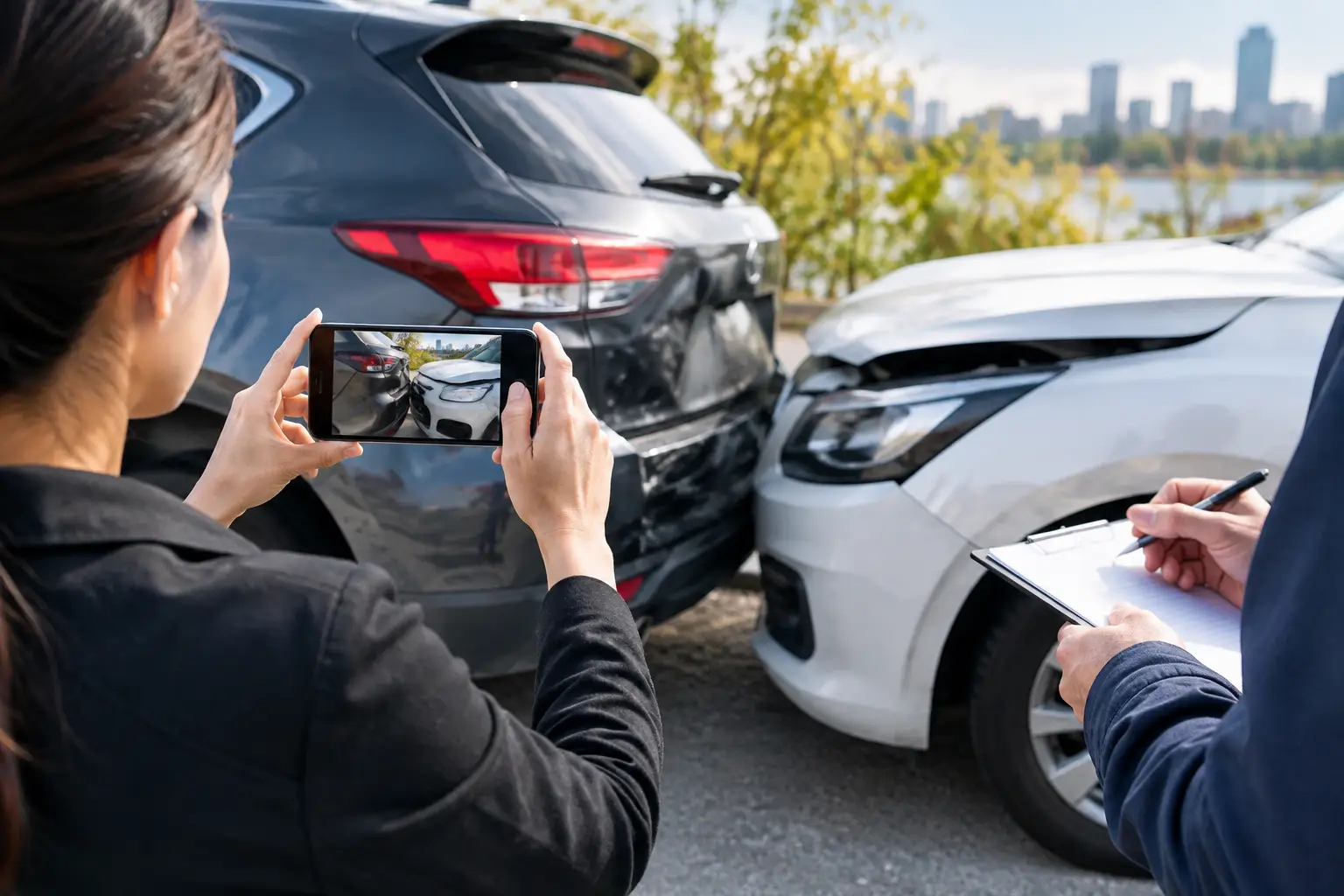
Photographs are among the most useful forms of accident documentation because damage can look different after a vehicle is moved, cleaned, or disassembled for repair. Take wide photos first. Capture the full scene from several angles, including intersections, lane markings, traffic signs, lights, nearby landmarks, skid marks, debris, and the final positions of the vehicles if it is safe to do so.
Then move closer. Photograph every visible area of damage on all vehicles involved, including bumpers, wheels, glass, lights, doors, panels, and underbody pieces that may be visible. Include licence plates in at least one clear image for each vehicle. A wider shot followed by detailed close-ups helps show both the severity of damage and how it relates to the impact.
Do not forget conditions that may disappear quickly. Photograph rain, snow, ice, standing water, poor visibility, construction zones, obscured signs, or damaged guardrails. If a dashboard camera recorded the incident, preserve the footage immediately. Some systems automatically overwrite recordings after a short period.
Write Down What You Saw
Photos capture the scene. Notes preserve your memory. As soon as you can do so safely, write a brief timeline in your own words. Include where you were travelling, your direction of travel, the lane you occupied, your approximate speed, the traffic signal or sign you observed, and what happened immediately before and after the impact.
Keep the language plain and factual. For example: “I was travelling east on Main Street in the right lane. The traffic light was green as I entered the intersection. The other vehicle contacted the passenger-side front door.” This is more helpful than a vague note written later from memory.
If you notice possible mechanical concerns after the collision, record those too. A steering wheel that sits off-centre, a warning light, a rubbing tire, a leaking fluid, or a door that no longer closes properly may indicate damage beyond the dent or scratch that is immediately visible.
Reporting and Claim Details in Ontario
In Ontario, certain collisions must be reported to police, including crashes involving injuries, death, suspected criminal conduct, or combined property damage over the reporting threshold. Collision Reporting Centres may also handle eligible non-injury collisions. Procedures can vary by location and circumstance, so follow police direction and confirm the appropriate reporting process for your incident.
Contact your insurer as soon as reasonably possible. Have your notes, photos, the other driver’s insurance information, and any police or collision report reference ready. Your insurer can explain the next steps under your policy, including claim assignment, appraisal requirements, rental coverage where applicable, and repair authorization.
Keep a dedicated folder for every accident-related record. Save claim numbers, emails, call dates, tow receipts, report documents, repair estimates, invoices, and photographs in one place. If you speak with an insurer, towing provider, repair facility, or another party, make a quick note of the date, the person’s name, and what was discussed. This small habit prevents confusion when several conversations happen over a few days.
Document the Vehicle Before Repairs Begin
Once your vehicle reaches a collision repair facility, continue documenting its condition. Take a final set of photos before work starts, including the odometer, fuel level, warning lights, and personal items you have removed from the vehicle. If your vehicle is not safe to drive, arrange proper towing rather than attempting to get it home with damaged steering, tires, lights, glass, or safety systems.
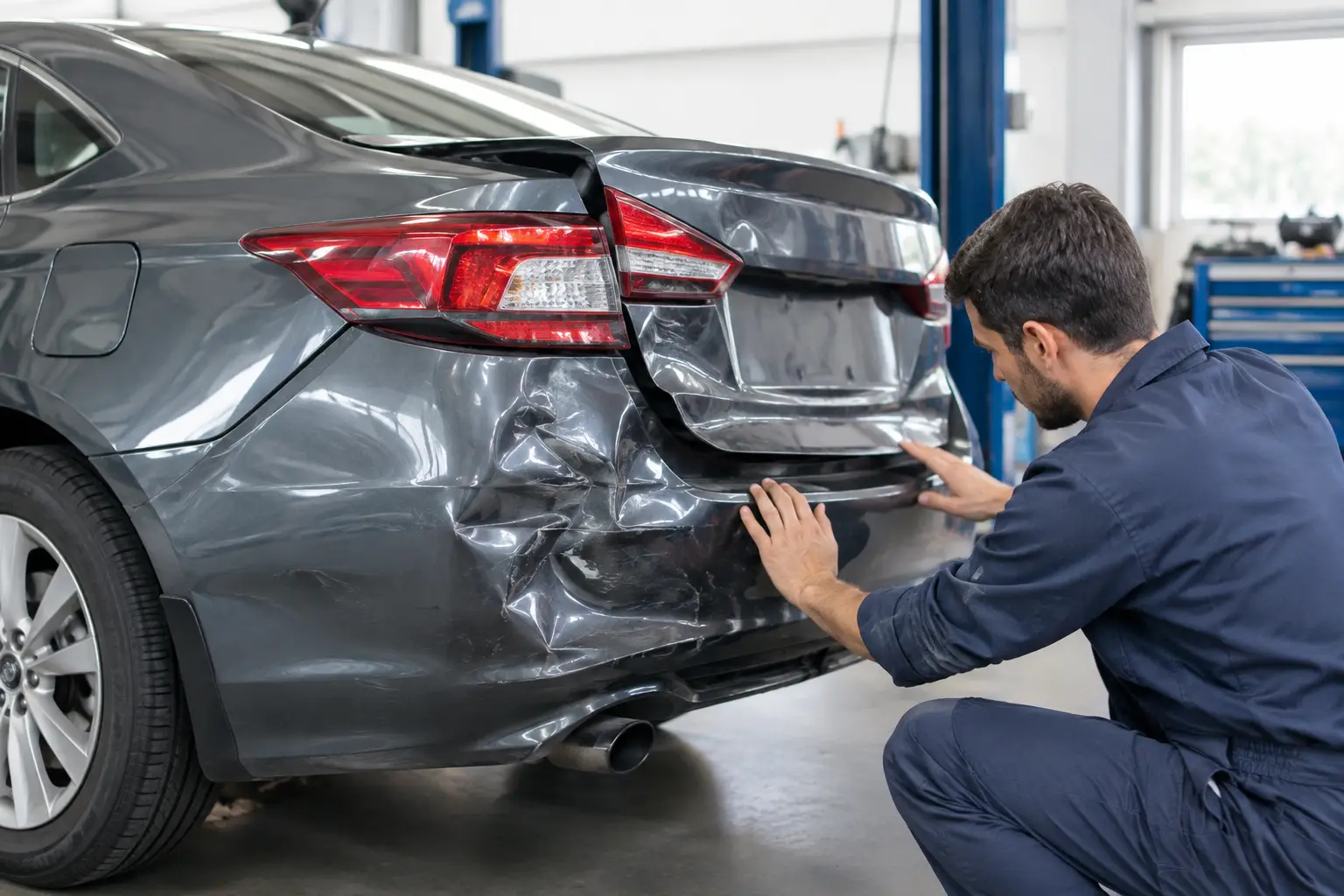
A professional assessment may identify hidden damage behind a bumper cover, beneath a wheel opening, or within structural and safety-related components. Modern vehicles can contain sensors, cameras, radar equipment, wiring, restraint components, and calibration requirements that are not visible from the exterior. An initial estimate may therefore change after teardown reveals the full extent of collision damage. That is not automatically a red flag. It is often part of completing a precise repair rather than covering visible damage alone.
Ask the repair facility to explain the proposed work in practical terms. You should understand what parts are damaged, whether refinishing is required, how replacement components will be selected, and whether diagnostic scans or calibrations are needed. Clear documentation from the shop supports better communication among you, the insurer, and the repair team.
At ASC Auto Body & Sales, experienced technicians help Hamilton drivers move from accident evidence to a careful collision repair plan focused on both like-new appearance and dependable road readiness.
Common Documentation Mistakes to Avoid
The most common mistake is waiting too long. A few photos taken before vehicles move and a few notes made while the event is fresh are usually more valuable than a detailed reconstruction attempted days later. Another mistake is photographing only your own vehicle. The complete scene, the other vehicle, road layout, and environmental conditions may all provide useful context.
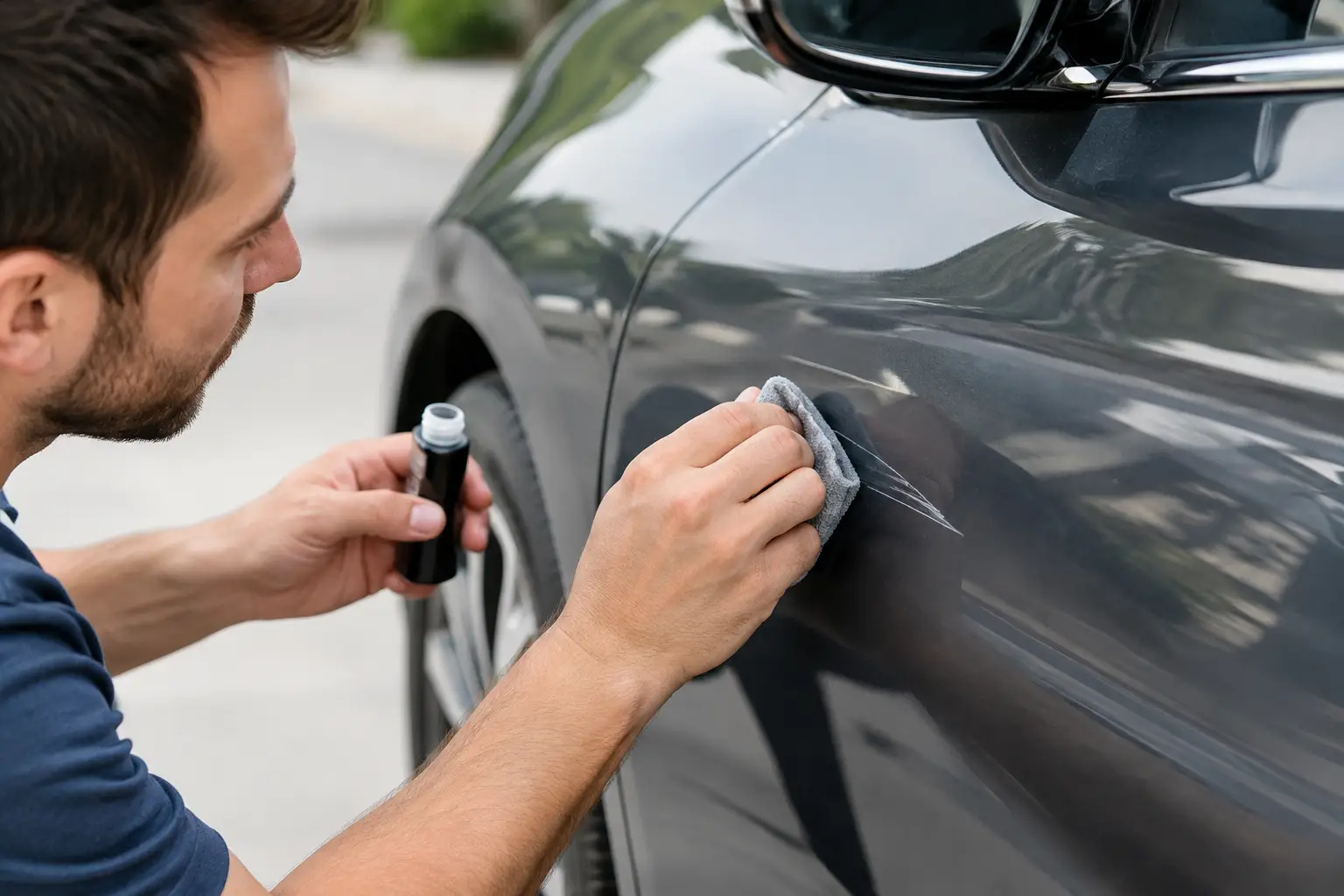
Avoid repairing, washing away evidence, or discarding damaged parts before you have spoken with your insurer or repair provider, unless a safety concern requires immediate action. It is also wise to avoid posting collision details, images, or opinions on social media while a claim is active. Public comments can create unnecessary confusion when the facts are still being reviewed.
Finally, do not assume a vehicle is safe because it still starts and drives. Damage to a wheel, suspension, headlight, bumper reinforcement, windshield, or driver-assistance sensor can affect safe operation. A proper inspection gives you a clearer picture than appearance alone.
A well-documented collision gives everyone involved a stronger starting point: you, your insurer, and the technicians responsible for restoring your vehicle. Keep this guide in your phone, stay calm when the unexpected happens, and choose a repair team that treats safety, workmanship, and clear communication as part of the same standard of service.