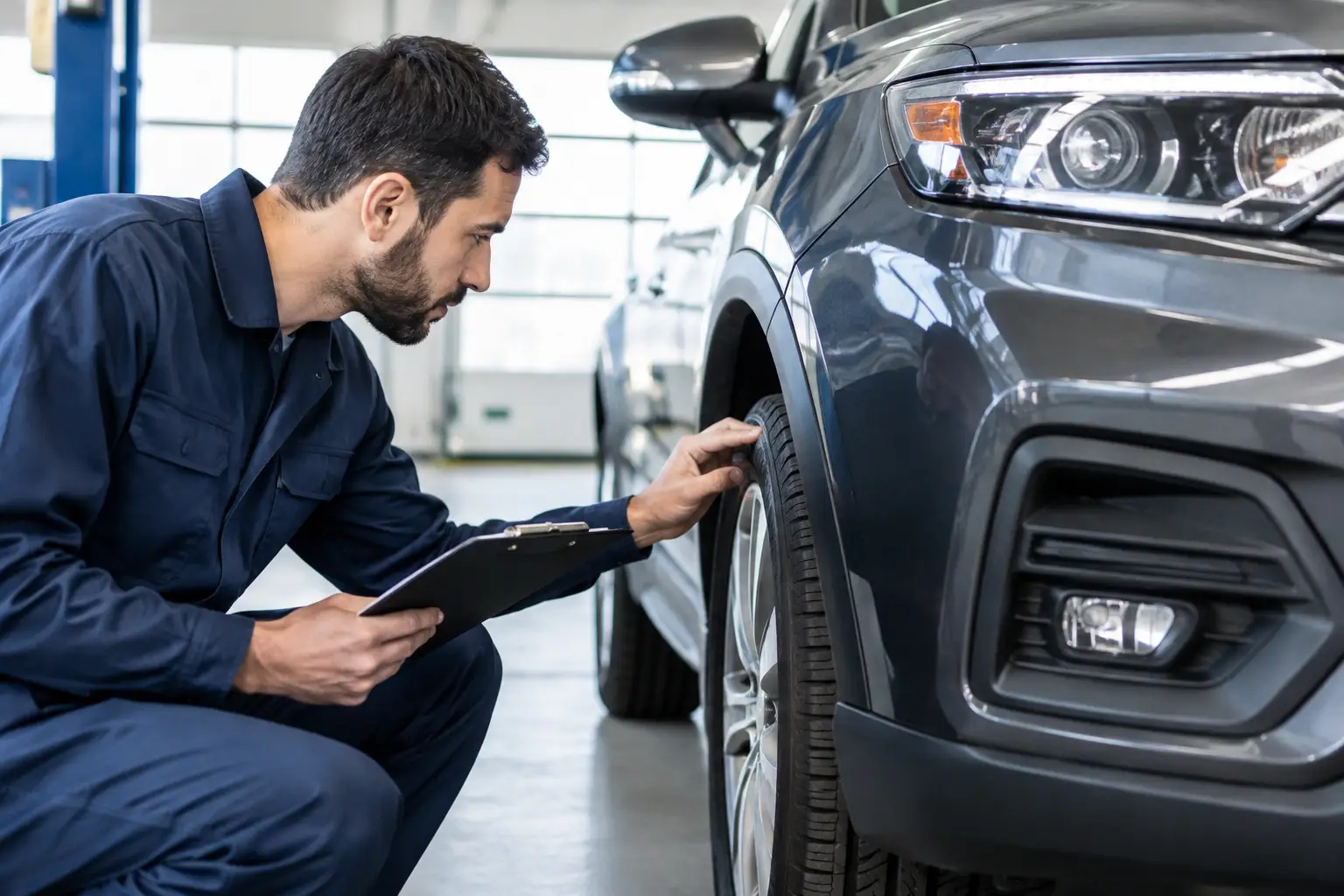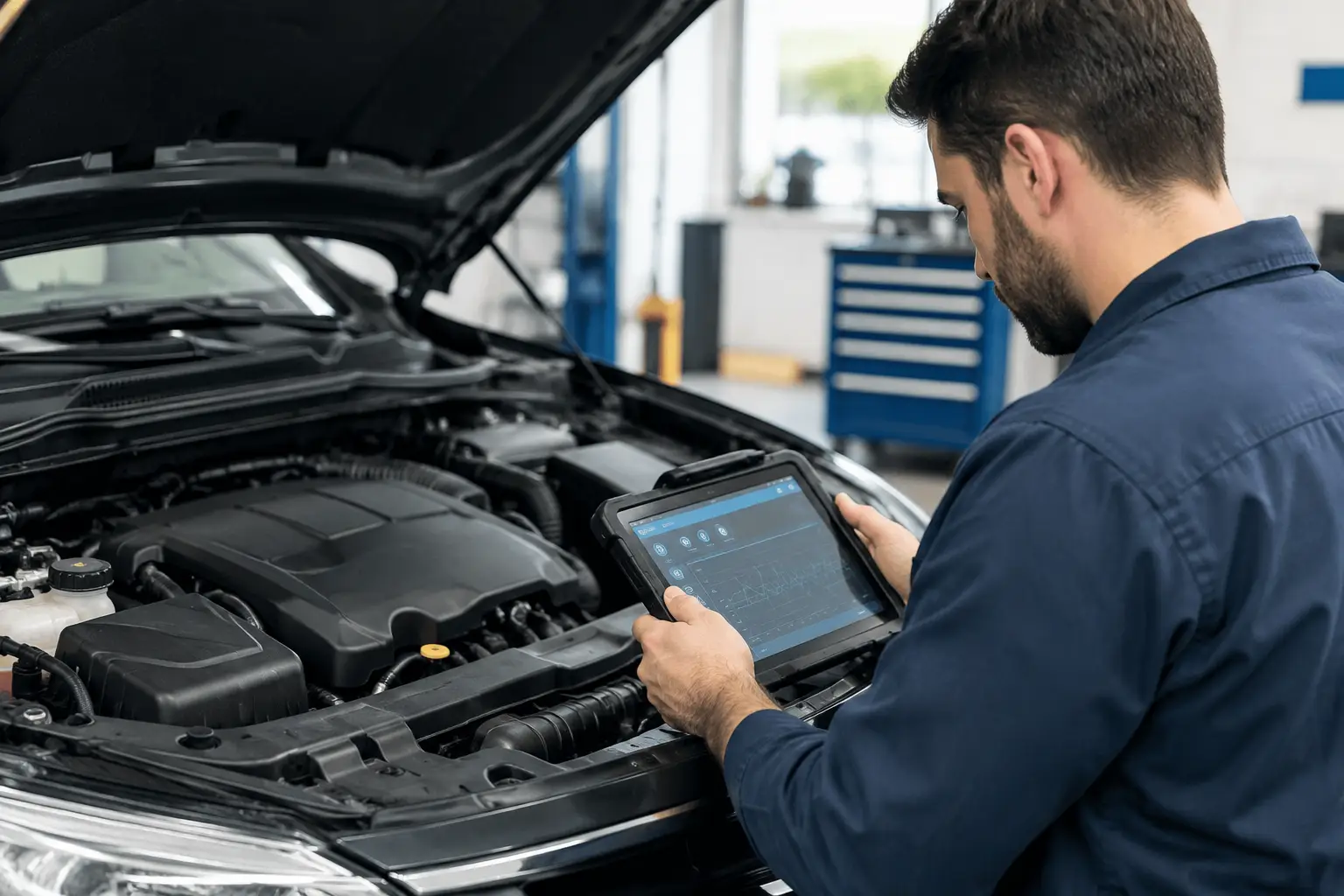




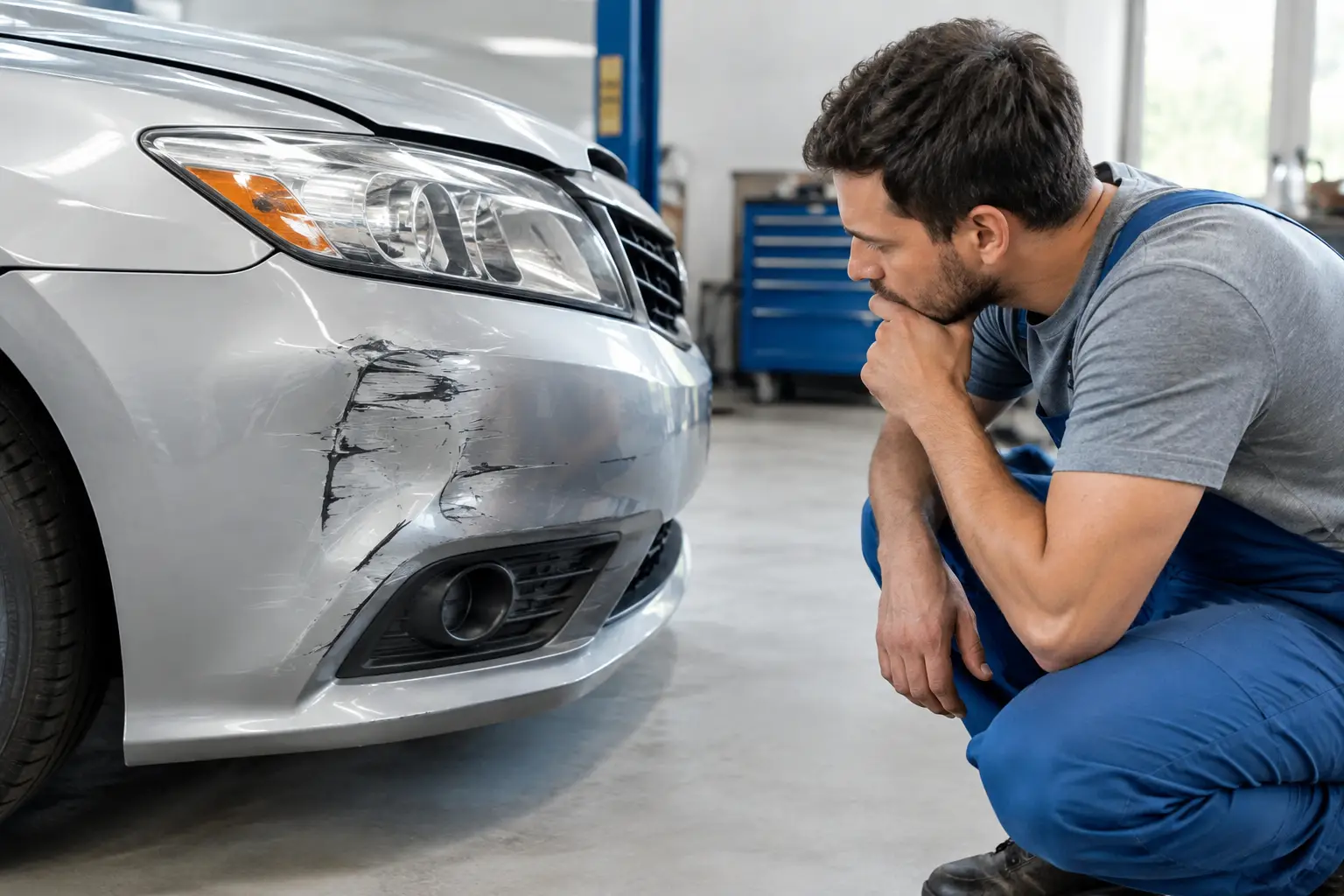
A bumper can look like a simple painted panel after a parking-lot scrape, but it is part of a vehicle’s impact-management system. The decision to repair versus replace bumper damage should never be based on appearance alone. What looks like a minor crack may hide broken mounts, damaged energy absorbers, sensor concerns, or alignment issues that affect safety and fit.
For Hamilton drivers, the right answer depends on the material, the location and severity of the damage, the vehicle’s technology, and the quality standard expected after the repair. A professional assessment provides clearer answers than a quick glance in the driveway – and can help avoid paying twice for work that should have been handled correctly the first time.
When bumper repair is the right choice
Repair is often an excellent option when damage is limited to the bumper cover and the underlying components remain sound. Modern bumper covers are commonly made from flexible plastic. With the right preparation, experienced technicians can reshape dents, repair small tears or cracks, restore mounting areas, and refinish the surface to match the rest of the vehicle.
A repair may make sense when the damage is a shallow dent, scuff, paint transfer, light scratching, or a small crack away from important mounting points. If the bumper has not been stretched beyond its original shape and there is no damage behind the cover, repairing it can preserve the original part while reducing material waste and replacement-part costs.
Paint condition matters here. A scrape that only affects the clear coat or colour layer may be repaired and refinished without replacing the entire bumper. Proper refinishing involves more than applying paint over the damaged area. The surface must be cleaned, sanded, repaired where required, primed, colour-matched, and clear-coated for a finish that looks consistent in daylight as well as under shop lighting.
Repair can also be the more practical route when replacement parts are delayed. Parts availability varies by make, model, trim, and year. A sound, repairable bumper may get a vehicle back on the road sooner than waiting for a new cover, particularly when the vehicle is needed for commuting, family schedules, or business operations.
When replacing a bumper is the safer decision
There are times when replacement is clearly the better long-term choice. A bumper cover that is severely torn, crushed, distorted, or missing pieces may not have the structural integrity or appearance required for a high-standard repair. Extensive cracking, deep gouges, or damage around attachment points can leave a repaired bumper more vulnerable to future movement or failure.
Replacement is also more likely when the impact has affected components behind the bumper. Depending on the vehicle, this can include brackets, reinforcement bars, foam or energy absorbers, undertrays, grille supports, lighting mounts, and wiring. A visible bumper crack may be the least significant part of the damage.
Many newer vehicles also place important driver-assistance equipment in or near the bumper. Parking sensors, radar units, cameras, blind-spot monitoring components, and harnesses all require careful inspection after an impact. A bumper that fits poorly or has damage in a sensor mounting area can create system errors or affect how these features perform. When replacement is necessary, proper installation and any required calibration are part of restoring dependable operation.
A replacement bumper is often the most sensible choice after a stronger collision, even if the cosmetic damage appears manageable. This is not about selling more work. It is about making sure the vehicle can be restored to the condition it needs for safe, reliable daily driving.
Repair versus replace bumper costs: what really affects the price
Cost is naturally a major consideration, but the lowest initial estimate is not always the lowest cost in the long run. A straightforward repair and refinish will commonly cost less than sourcing, fitting, painting, and blending a replacement bumper. However, that comparison changes when repairs become extensive or when hidden damage is discovered after the bumper cover is removed.
Replacement costs depend on whether the part is original equipment, aftermarket, recycled, or supplied in another form. The right option depends on the vehicle, the damage, insurance requirements, part fit, and the customer’s expectations. An improperly fitting bumper can create uneven panel gaps, wind noise, loose trim, or a finish that does not match adjacent panels. Quality parts and precision installation matter as much as the decision to repair or replace.
Refinishing is another factor often overlooked in online estimates. A new bumper cover usually arrives unpainted. It must be prepared and painted to match the vehicle, and nearby panels may need blending so the colour appears uniform. Metallic, pearl, tri-coat, and aged paint finishes can require additional care to produce a like-new result.
For insurance-related collision repairs, an estimate should document both visible damage and possible hidden damage. Once the vehicle is inspected more closely, a repair plan may need to be updated. That process is normal, especially after an impact where components behind the cover cannot be assessed from the outside.
Damage behind the bumper changes the decision
The bumper cover is designed to be the visible outer layer. Behind it are parts that help manage low-speed impacts and protect more expensive vehicle components. A minor contact can damage clips or brackets without leaving dramatic marks on the exterior. A harder impact can affect the reinforcement bar or shift parts that influence panel alignment.
This is why a bumper should be inspected after contact with a curb, parking post, another vehicle, or road debris, especially if it is loose, misaligned, rubbing a tire, or showing warning lights. Do not assume the vehicle is safe because it still drives normally. A loose bumper can worsen on the road, and an unnoticed sensor or lighting issue may become a more serious problem later.
Technicians should also check whether the hood, fenders, headlights, grille, and wheel-well liners align correctly. Gaps that have changed since the impact can point to broken retainers or damage requiring more than a surface repair.
The quality of the finished repair matters
A bumper repair should look right and stay right. That means restoring the panel’s shape, securing it correctly, protecting repaired areas, and matching the paint as closely as possible. It also means confirming that related systems and components operate as intended.
Quick cosmetic fixes can be tempting for a small scrape, particularly when a vehicle is older or nearing trade-in. Yet poorly prepared paint can peel, repaired cracks can reopen, and incorrect fasteners can leave the bumper loose. For drivers who plan to keep their vehicle, a professional repair protects its appearance, value, and everyday confidence.
There is no universal rule that a damaged bumper must always be replaced, nor is repair always the economical answer. The sensible decision comes from an honest inspection of the damage, the vehicle’s safety equipment, the condition of the underlying parts, and the standard of finish you expect.
If your bumper has been damaged, ASC Auto Body & Sales can assess the complete area, explain whether repair or replacement is appropriate, and provide a clear path toward a safe, polished result. A timely inspection gives you the best chance to protect your vehicle before a small issue becomes a larger repair.