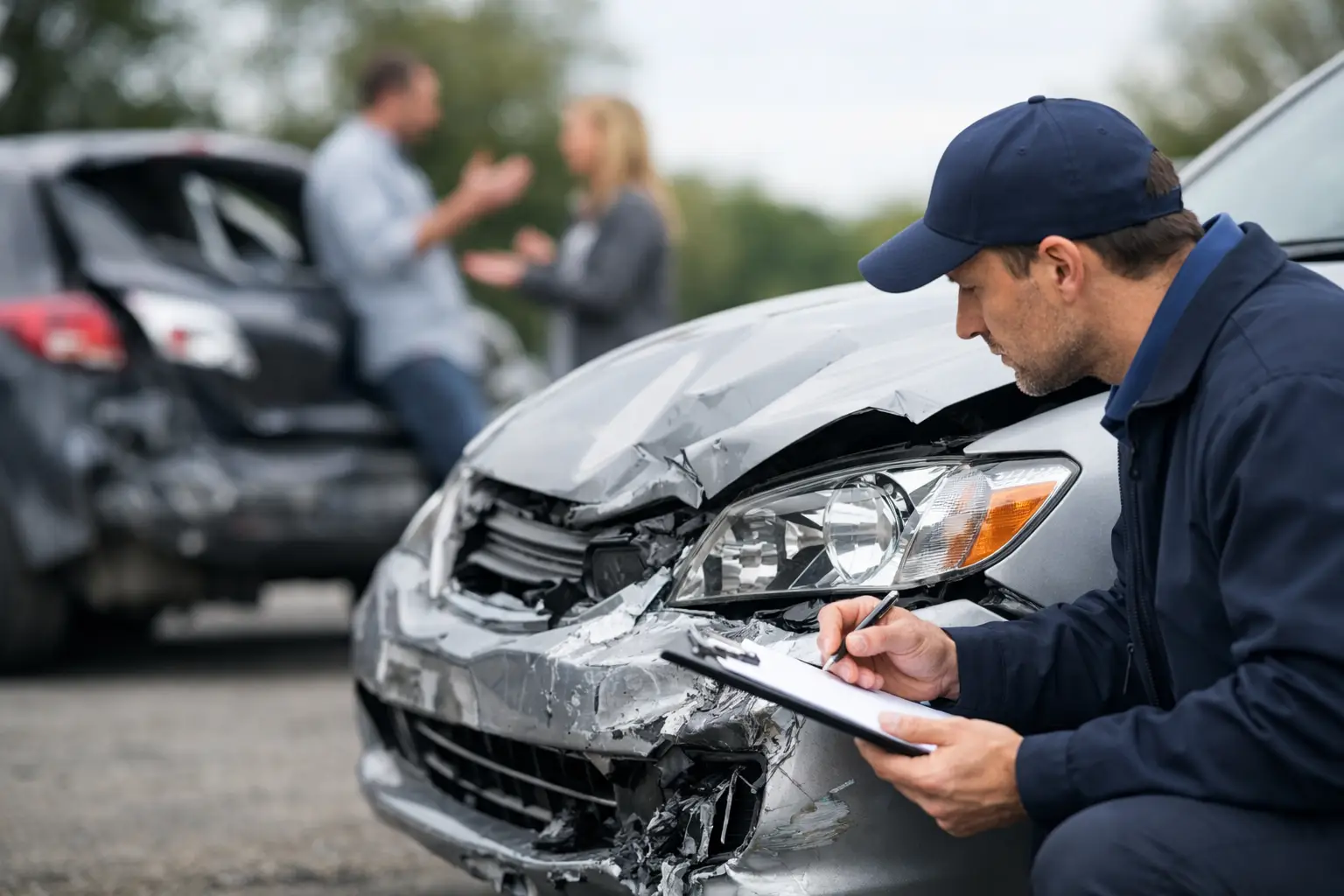
A parking-lot impact can leave behind more than a scuff on the bumper. Even when a vehicle still starts, steers, and appears mostly unchanged, its safety systems, suspension geometry, lighting, sensors, and mechanical components may have been affected. A professional post accident vehicle inspection gives Hamilton drivers a clear picture of what happened beneath the visible damage and what is required to return the vehicle to safe, dependable condition.
After a collision, the goal is not simply to make the vehicle look better. It is to restore how it protects occupants, handles on the road, brakes, and performs day after day. That requires experienced eyes, proper diagnostic equipment, and a repair plan based on the vehicle’s actual condition rather than assumptions.
Why a post accident vehicle inspection matters
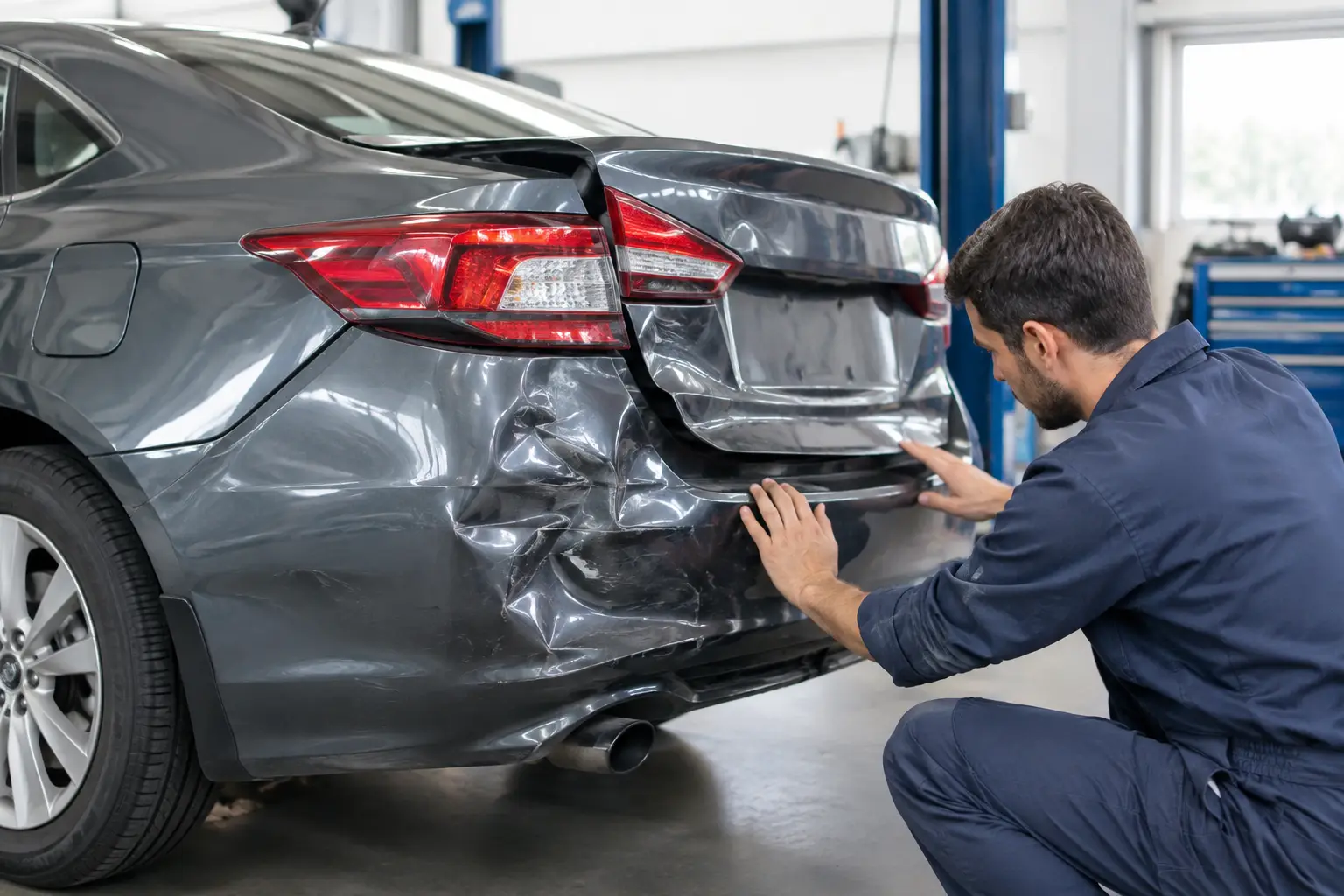
Modern vehicles are designed to manage collision energy through carefully engineered structures. A bumper cover may flex back into place, but the absorber, reinforcement bar, mounting points, sensors, or components behind it can still be damaged. The same is true of doors, fenders, wheels, glass, and underbody panels.
A thorough inspection identifies both cosmetic and structural concerns. It can reveal a misaligned hood latch, a damaged wheel bearing, a shifted suspension component, a leaking radiator, or a malfunctioning parking sensor. Some of these issues are immediately noticeable. Others may only show up during a road test, diagnostic scan, or detailed measurement of the vehicle’s body and frame points.
Driving with undiscovered damage can create larger repair needs later. A vehicle that pulls slightly after impact may wear through tires quickly. A crack in a lamp housing can allow moisture into electrical connections. A damaged bumper sensor may affect driver-assistance features that a driver relies on in traffic. Early assessment protects both safety and the long-term value of the vehicle.
What to do before bringing your vehicle in
Your first priority after any accident is personal safety. If the vehicle is unsafe to drive, has fluid leaking beneath it, produces smoke, has a wheel sitting at an unusual angle, or displays serious warning lights, arrange for it to be towed rather than taking chances on the road.
If it is safe to do so, take photographs of the damage and the accident scene, exchange required information, and record anything unusual you notice when moving the vehicle. A new vibration, steering pull, brake noise, warning message, or difficulty opening a door is useful information for the technician. These details help guide the inspection, especially when the visible damage does not tell the whole story.
It is also wise to avoid washing away evidence of fluid leaks or forcing damaged panels, doors, or trunk lids shut. A door that no longer latches properly or a hood that sits unevenly needs professional attention. Small adjustments made at home can sometimes conceal a condition that should be measured and repaired correctly.
What technicians check after a collision
The scope of a post accident vehicle inspection depends on the direction and severity of the impact. A low-speed rear-end collision calls for a different approach than a side impact or a strike against a curb. Still, a quality assessment follows the vehicle from exterior appearance to mechanical operation.
Exterior panels, paint, and glass
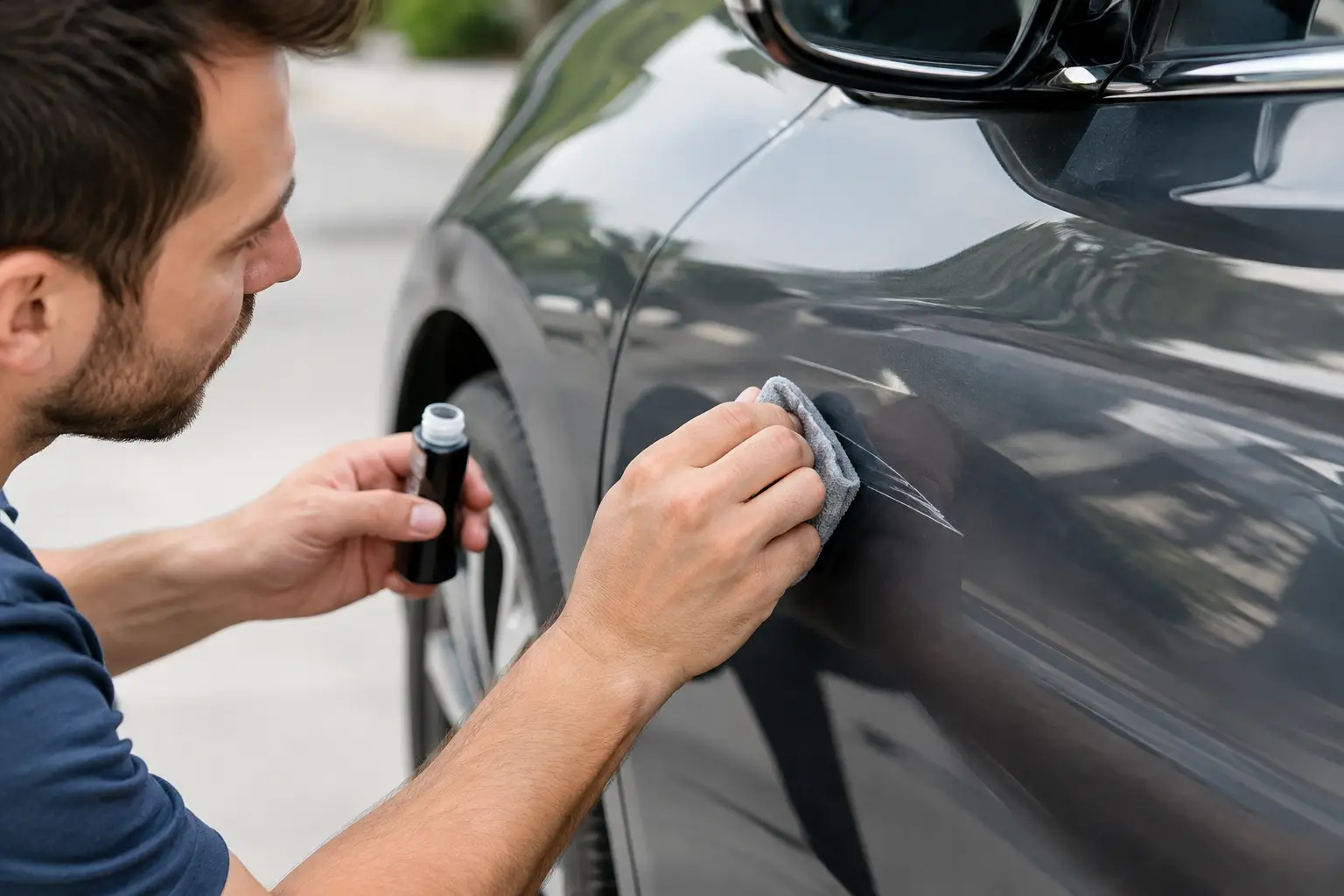
Technicians begin by examining dents, scratches, cracked trim, broken lamps, panel gaps, and paint damage. Consistent panel alignment matters because uneven gaps can indicate bent brackets, damaged hinges, or movement in the underlying structure. Paint damage also deserves attention beyond appearance. Exposed metal can corrode, particularly through Ontario’s wet weather and winter road salt.
Windshields, side glass, mirrors, and lamp lenses are inspected for cracks, chips, loose mounting, and visibility concerns. A small windshield chip may be repairable in some situations, while a crack in the driver’s field of vision or damage near the edge may require replacement. The right decision depends on the glass condition, the vehicle’s features, and safety requirements.
Structure and impact components
Behind the surface, technicians inspect bumper reinforcements, absorbers, brackets, rails, mounting points, and other collision-energy components. These parts are not merely cosmetic. They are designed to work together during an impact, so replacing or repairing them to proper specifications is central to safe collision repair.
Measurement is especially important where the force of the accident may have travelled into the vehicle’s structure. A vehicle can look straight from a few steps away while a mounting point is slightly out of position. That small variation can affect panel fit, wheel alignment, or how components sit after repairs.
Steering, suspension, brakes, and tires
A curb strike, pothole impact during an accident, or damage near a wheel can affect more than the tire. Technicians assess wheels, tires, hubs, suspension arms, shocks or struts, steering components, and alignment angles. They also check brake lines, hoses, rotors, and related components when the impact area makes this necessary.
Watch for symptoms such as a steering wheel that is no longer centred, a vehicle that drifts, shaking at speed, uneven tire wear, or a new clunk over bumps. These signs do not confirm the exact problem, but they should never be ignored after a collision. A proper inspection determines whether the concern is alignment-related or whether a part has been bent, loosened, or damaged.
Mechanical systems and diagnostics
Underhood and underbody checks can uncover fluid leaks, damaged cooling components, loose wiring, exhaust damage, and concerns affecting engine or transmission operation. A front-end impact, for example, may damage the radiator support, cooling fan, condenser, or active grille components even when the vehicle continues to run.
Diagnostic scanning is equally valuable in newer vehicles. Warning lights are only one clue. Some collision-related fault codes may be stored without a constant dashboard warning, and cameras, radar units, parking sensors, airbag systems, and other electronic features may need inspection or calibration after repairs. The exact work depends on the vehicle and the location of the impact, but skipping this step can leave safety features operating below their intended standard.
Do not judge damage by the repair estimate alone
An initial estimate is a starting point, not always the final repair scope. Some damage is visible immediately, while other issues can only be confirmed after parts are removed and the affected area is inspected more closely. This is common in collision work and does not automatically mean anything was missed. It reflects the reality that bumpers, liners, trim, and panels can hide important components.
A reputable repair facility should explain what is visible, what requires further assessment, and why a particular repair or replacement is recommended. Clear communication matters when coordinating an insurance claim, but it also helps owners make informed decisions where options exist. For an older vehicle, the best path may depend on its condition, repair cost, availability of parts, and how long the owner plans to keep it.
Questions worth asking at the repair shop
When you bring your vehicle in, ask whether the inspection includes mechanical, structural, and electronic checks relevant to the accident. Ask how hidden damage will be documented if it is found during disassembly, and whether wheel alignment, diagnostic scanning, or safety-system calibration may be required.
You can also ask about replacement parts, refinishing procedures, expected repair timing, and what testing will be completed before the vehicle is returned. Good answers should be straightforward. You deserve to know what is being repaired, why it matters, and what standard the work is being completed to.
For more than 20 years, ASC Auto Body & Sales has helped Hamilton vehicle owners move from the uncertainty of an accident to a clear repair path. Experienced collision and mechanical technicians can assess visible damage as well as the systems that affect safe road performance, from body panels and paint to brakes, diagnostics, glass, and suspension concerns.
When it is safe to drive and when it is not
A minor scrape with no loose parts, warning lights, fluid leaks, handling changes, or damaged lighting may allow a short trip to a repair facility. That decision still depends on the vehicle and the incident. If you have any doubt, arrange transport and let a professional inspect it.
Do not continue driving if airbags have deployed, a seat belt is damaged, the hood or trunk will not latch, a tire is cut or losing air, lights are broken, fluids are leaking, or steering and braking feel different. These are not inconveniences to manage later. They can affect control, visibility, or occupant protection when you need them most.
The best next step after an accident is a calm, professional assessment before small concerns become expensive or unsafe ones. Book an inspection promptly, bring the details you recorded, and give your vehicle the same level of care you expect from it every time you turn the key.