




A new noise at a stoplight, a brake pedal that feels softer than usual, or a warning light that stays on after your morning commute can quickly turn a dependable vehicle into a source of stress. Mechanical repair is not simply about replacing a failed part. It is about identifying the cause, protecting your safety, and restoring the confidence that your vehicle will perform properly on Hamilton roads.
For more than 20 years, ASC Auto Body & Sales has helped local drivers address the issues that affect how a vehicle stops, steers, accelerates, and handles daily use. Whether your car needs routine maintenance or a more involved diagnosis, timely professional service can prevent a small concern from becoming a larger and more expensive repair.
What Mechanical Repair Covers
Mechanical service includes the working systems that keep your vehicle road-ready. Some concerns are obvious, such as grinding brakes or a vehicle that will not start. Others develop quietly through wear, fluid breakdown, corrosion, or gradual loss of performance.
A proper assessment looks beyond the symptom. For example, a steering vibration may be related to tire balance, alignment, worn suspension components, damaged wheels, or brake issues. Replacing one part without finding the true source can leave the problem unresolved. Experienced technicians use inspection and diagnostic procedures to determine what needs attention now and what can be monitored over time.
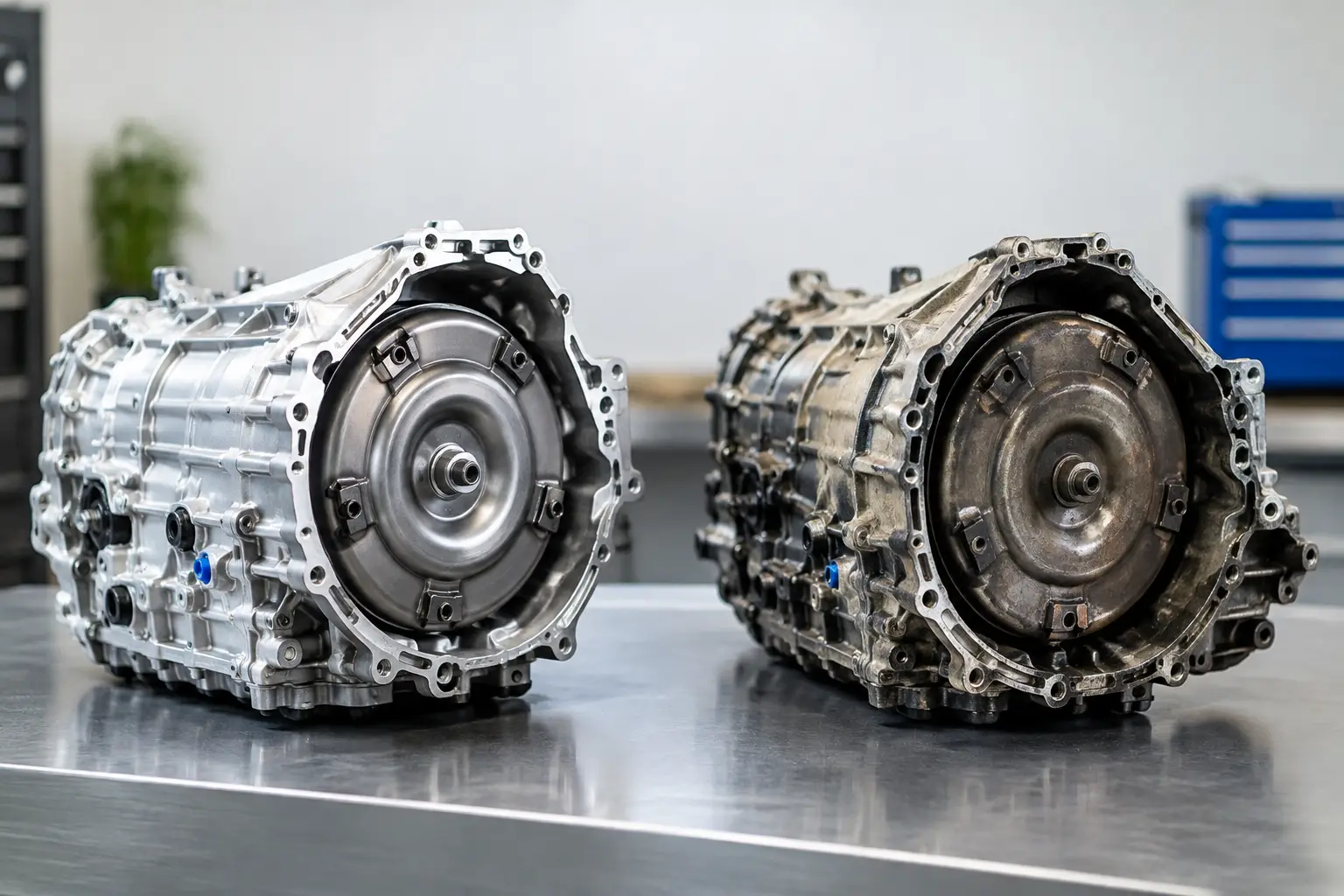
Mechanical repair commonly includes brake service, oil changes, tire rotations, engine diagnostics, battery and charging-system checks, suspension work, cooling-system repairs, transmission service, and replacement of worn components. The right service depends on the vehicle’s age, mileage, maintenance history, and how it is driven.
Brake Service Is a Safety Priority
Brakes give drivers warning signs, but those signs should never be ignored. Squealing can indicate worn brake pads, while grinding may mean the pad material has worn away and the brake rotor is being damaged. A pulling sensation, vibration through the pedal, or longer stopping distance also deserves prompt attention.
Brake service may involve pads and rotors, but a complete inspection also considers calipers, brake fluid, hoses, hardware, and the parking brake. Ontario’s wet winters, road salt, and frequent stop-and-go driving can accelerate corrosion and wear. Addressing brake concerns early often helps protect related components and keeps repair costs more manageable.
Engine Diagnostics Need More Than a Code Reader
A check-engine light does not identify one guaranteed repair. It signals that the vehicle’s onboard system has detected an issue that needs investigation. The cause could be as straightforward as a loose fuel cap, or it may involve an ignition component, sensor, fuel delivery issue, emissions system, or engine-performance concern.
Reading the code is the starting point, not the finish line. Effective diagnostics combine scan-tool information with technician experience, testing, and a visual inspection. This approach helps avoid replacing parts based on guesswork. It also gives vehicle owners a clearer explanation of the issue and the work recommended.
When to Book Mechanical Repair
Drivers often wait because a vehicle still seems to run well enough. That decision can be understandable, especially when the symptom is intermittent. However, certain changes are worth having checked before they affect safe operation or leave you stranded.
Book an inspection if you notice unusual sounds such as knocking, squealing, grinding, or clicking; warning lights that remain illuminated; fluid leaks beneath the vehicle; difficulty starting; reduced fuel efficiency; shaking at speed; drifting or pulling while driving; overheating; or delayed shifting. A burning smell, smoke, or sudden loss of braking or steering response requires immediate attention rather than continued driving.
Not every noise points to a major repair. A rattle may be a loose heat shield, and a dashboard warning may lead to a minor fix. The value of an inspection is knowing the difference. Clear information lets you make a practical decision based on safety, urgency, and budget.
Maintenance Prevents Many Major Repairs
The most cost-effective mechanical work is often the work that prevents a breakdown. Routine maintenance gives technicians an opportunity to spot developing issues before they damage other systems. It also supports fuel economy, dependable starting, smoother handling, and longer vehicle life.
Oil changes are a familiar example. Engine oil lubricates moving parts, helps control heat, and carries contaminants to the filter. Waiting too long between changes can contribute to sludge buildup and unnecessary engine wear. The correct interval varies by manufacturer recommendations, oil type, mileage, and driving conditions, so it is better to follow the schedule for your specific vehicle than to rely on an old rule of thumb.
Tire rotations matter for the same reason. Tires do not always wear evenly, particularly on front-wheel-drive vehicles or vehicles that travel rough roads and make frequent city turns. Rotating them at appropriate intervals can improve tread life and allow an inspection for uneven wear that may indicate an alignment or suspension concern.
Fluid condition also matters. Coolant protects the engine from overheating and freezing temperatures. Transmission fluid supports smooth operation in many vehicles. Brake fluid absorbs moisture over time, which can affect braking performance. A professional maintenance visit helps determine whether a fluid is still protecting the system as intended.
The Connection Between Collision Damage and Mechanical Health
After a collision, visible dents, scratches, cracked glass, and paint damage are often the first concerns. Yet an impact can affect more than appearance. A curb strike, pothole impact, or collision may damage a wheel, alter alignment, affect suspension parts, or create a vibration that becomes noticeable only at higher speeds.
This is why complete post-accident service matters. A vehicle can look repaired while still needing careful mechanical inspection to confirm it drives safely and predictably. Alignment angles, steering response, braking behaviour, tire condition, and warning lights should all be considered where the nature of the impact calls for it.
For fleet operators and local businesses, this detail is especially important. A vehicle that is cosmetically presentable but mechanically unreliable can disrupt schedules, reduce productivity, and create avoidable safety risks. Consistent maintenance and accurate repairs help keep work vehicles available when they are needed.
Choosing a Shop You Can Trust
Mechanical work is easier to approve when the process is clear. A dependable repair facility should explain the concern in accessible language, identify urgent safety items, and distinguish them from maintenance that can reasonably be planned for a later visit. Vehicle owners should feel comfortable asking what was found, why a repair is recommended, and what could happen if the concern is delayed.
Quality also means using the right procedures and checking the repair after the work is completed. A brake repair should restore confident stopping. A diagnostic repair should address the underlying fault rather than only clear the warning light. A suspension or tire repair should leave the vehicle tracking properly and feeling stable on the road.
There are times when repair versus replacement requires a balanced conversation. The best option depends on the condition of the part, the vehicle’s overall value, availability of components, and the driver’s plans for the vehicle. Honest guidance is more useful than a one-size-fits-all recommendation.
A vehicle rarely chooses a convenient time to develop a problem. Paying attention to early changes, staying current with maintenance, and bringing concerns to experienced technicians gives you the best chance of avoiding disruption. When your vehicle needs mechanical care, schedule an appointment with a Hamilton shop that treats safe performance and lasting workmanship as the standard.