
A vehicle can look clean at pickup and still deserve a careful second look. Evaluating body shop workmanship is about more than spotting a small paint blemish in the parking lot. It is how you confirm that collision damage has been repaired with the precision needed to protect your vehicle’s appearance, value, and safe operation.
After an accident, most drivers understandably focus on getting back on the road. Before you sign off on a repair, however, take a few unhurried minutes to inspect the work in good light and ask direct questions. A professional shop should welcome that conversation. Quality repairs are built to stand up to close inspection.
Start With the Overall Fit and Finish
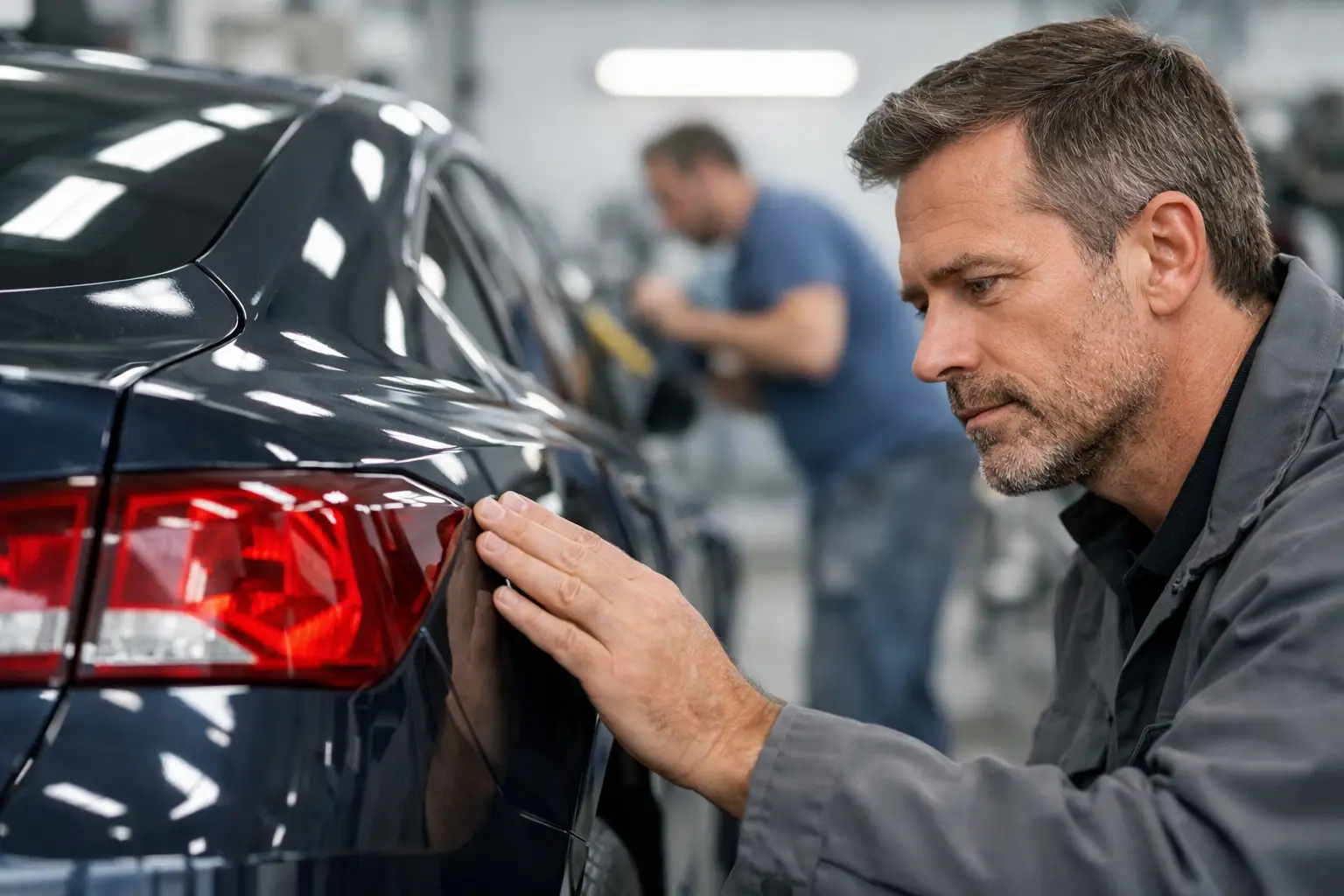
Walk around the vehicle from several angles, ideally outside during daylight. Do not look only at the repaired panel. Compare it with the panels beside it. Body lines should continue cleanly from one section to the next, and the vehicle should look balanced rather than slightly twisted, raised, or uneven on one side.
Pay close attention to panel gaps around doors, the hood, trunk, tailgate, bumper, headlights, and fenders. The spacing does not need to be identical down to the millimetre on every vehicle, especially on older models or vehicles with prior damage. It should, however, look consistent and allow every panel to open, close, and latch properly without rubbing.
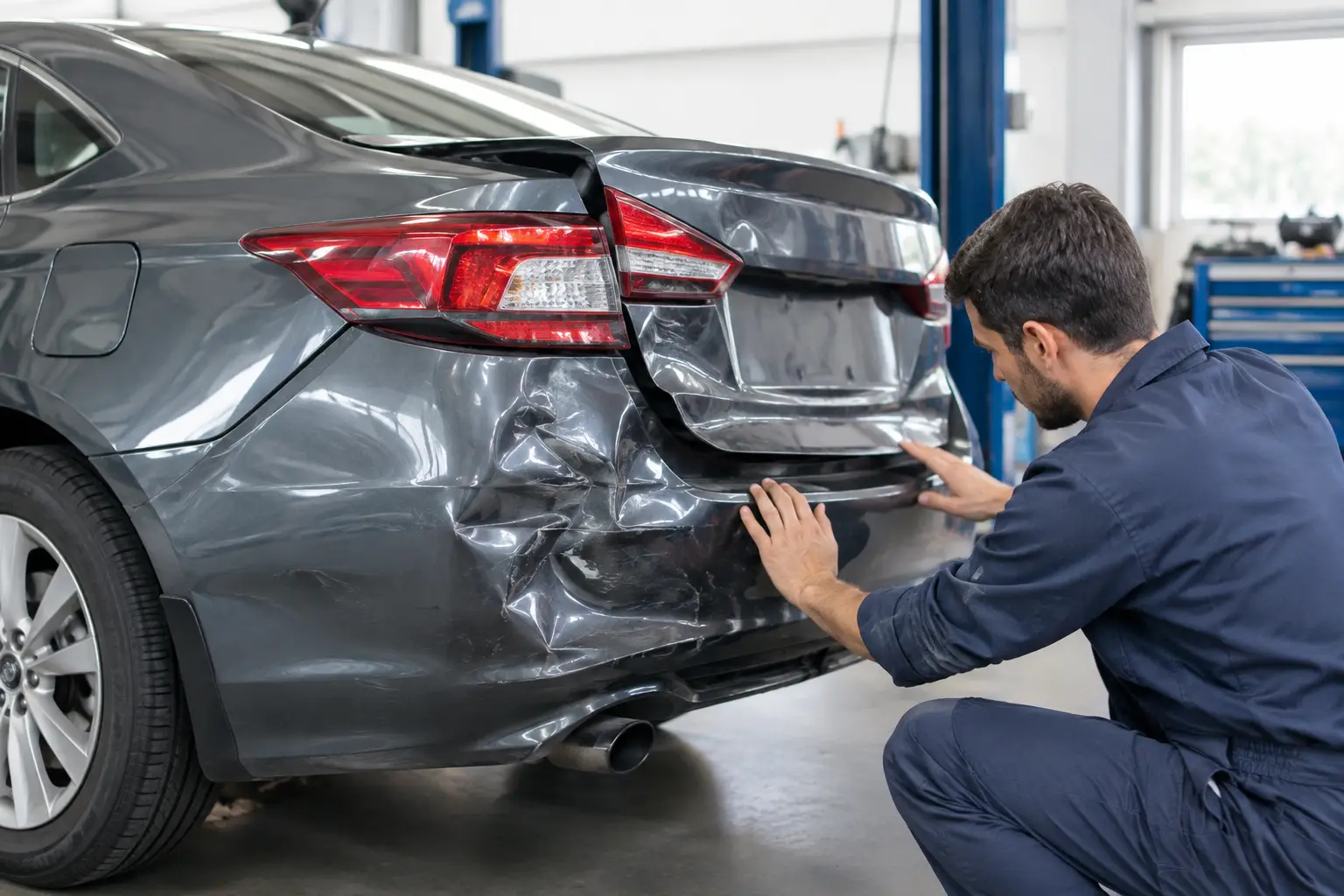
A bumper that sits proud of the fender, a hood that needs force to close, or a door that catches the striker is not simply a cosmetic concern. These signs can point to alignment work that needs adjustment. Raise the concern before leaving the shop, while the repair details are fresh and the vehicle is available for inspection.
Look at Paint in Different Light
Paint matching is one of the clearest signs of careful refinishing. Modern vehicle colours can contain metallic flakes, pearl effects, or multi-stage finishes that shift in appearance as the light changes. A colour may look excellent under indoor shop lighting but reveal a difference in direct sunlight or shade.
Stand a few steps back, then view the repaired area from the front, side, and rear. Look for a consistent colour and gloss level across adjoining panels. The finish should not appear cloudier, duller, overly shiny, or noticeably darker than the original paint.
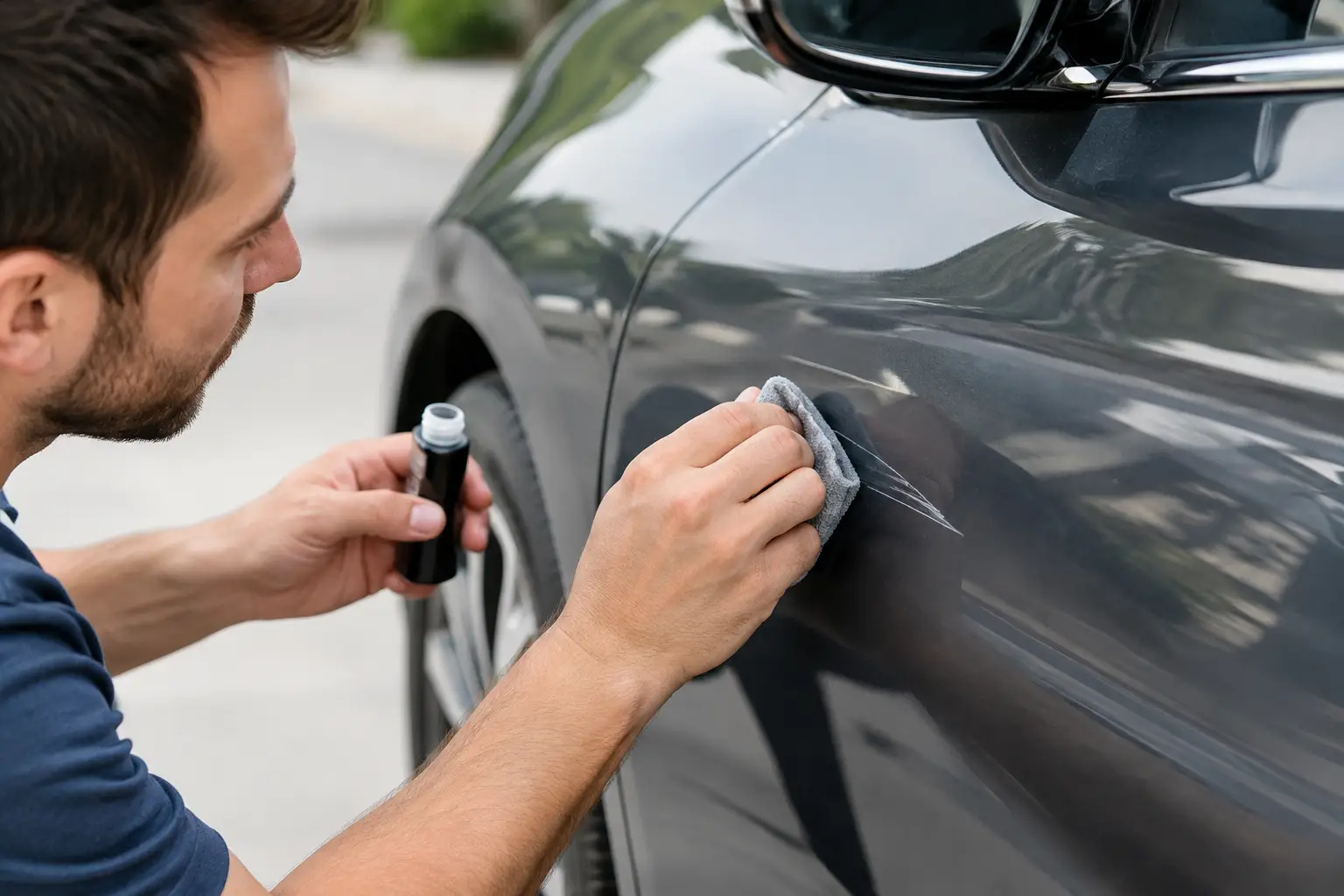
Move closer to check the surface itself. High-standard refinishing should feel smooth once it has fully cured. Watch for dust nibs, runs, sanding marks, rough overspray, pinholes, or a texture that looks unusually wavy. Slight orange-peel texture can be normal because factory paint is not always perfectly flat, but the repaired panel should blend naturally with the surrounding finish.
Check Edges, Trim, and Hidden Areas
Quality preparation shows up at the edges. Inspect the seams around mouldings, handles, lamps, wheel openings, and glass. There should be no obvious paint line where it does not belong, no paint on rubber seals, and no residue on trim or lenses.
Open the doors, hood, and trunk or tailgate. Look along the inner edges and jambs where practical. These areas should be clean, protected, and free of loose clips, missed fasteners, or exposed bare metal. Not every repair requires repainting every hidden surface, so the correct expectation depends on the damage and repair plan. What matters is that the finished work is tidy, properly protected, and consistent with what was authorized.
Test the Parts You Use Every Day
A vehicle is not repaired properly until its everyday functions work as they should. Before leaving, test the doors, windows, locks, mirrors, fuel door, trunk release, hood release, lights, wipers, washer nozzles, parking sensors, backup camera, and power tailgate if equipped.
If the collision involved the front end, confirm that headlights are secure and aimed correctly. If it involved a door or side panel, check that the window travels smoothly and that weather seals sit in place. After glass replacement, look for clean edges, correctly installed trim, and no wind noise or water entry during the next rain or car wash.
Warning lights deserve prompt attention. Some lights may require a short drive cycle or a calibration procedure after repairs, but a shop should clearly explain what you may see and why. Airbag, brake, steering, engine, camera, and advanced driver-assistance warnings should never be dismissed as something to “wait and see” without a professional diagnosis.
How to Evaluate Body Shop Workmanship Beneath the Surface
The visible result matters, but collision repair is also structural and mechanical work. Modern vehicles use crumple zones, sensors, mounting points, and carefully engineered materials to manage impact forces. A proper repair may require measuring, pulling, replacing, welding, calibrating, and scanning systems that a driver cannot assess by looking at the paint.
Ask the shop to explain the repair performed in plain language. You should be able to understand which panels were repaired or replaced, whether any structural or suspension work was completed, and whether required scans or calibrations were carried out. A clear final invoice and repair documentation are useful records for future maintenance, resale, or an insurance question.
A road test is also worthwhile. On a familiar route, listen for rattles, wind noise, squeaks, or clunks that were not present before the accident. Confirm that the steering wheel is centred on a straight road and that the vehicle does not pull to either side. Pay attention to vibration through the steering wheel, brake pedal, or seat, particularly at highway speed.
One symptom does not always mean poor workmanship. A rough road, worn tires, or pre-existing mechanical issues can affect how a vehicle feels. Still, changes that appeared after a collision repair should be reported promptly. The sooner a concern is documented, the easier it is to inspect and correct.
Know What Questions to Ask at Pickup
Good service includes a confident handover. Rather than feeling rushed, ask whether the vehicle has been road tested, whether all repair-related warning codes were checked, and whether any camera or sensor calibration was required. If replacement parts were used, ask whether they were original equipment, aftermarket, recycled, or an insurer-approved alternative.
There is not one right answer for every repair. Part selection can depend on vehicle age, availability, insurance coverage, budget, and the part’s role in safety or fit. What matters is that the choice is explained, appropriate for the repair, and reflected in the estimate or invoice.
Also ask about paint-care timing. Fresh refinishing may need time before waxing, polishing, or using certain automatic car washes. The shop should provide practical instructions for washing and caring for the repaired finish during the curing period.
Give the Repair a Short Follow-Up Window
Your inspection should not end at pickup. In the first week or two, use the vehicle normally and keep an eye on the repaired area. Check for water leaks after rain, loose trim, abnormal noises, paint concerns, or changes in panel alignment. Take clear photos if you see an issue and contact the shop rather than attempting a repair yourself.
A dependable local repair facility stands behind its work and treats follow-up as part of customer care. At ASC Auto Body & Sales, the standard is not simply to make collision damage less noticeable. It is to restore the finish, fit, and road-ready performance that Hamilton drivers depend on.
Your vehicle has to serve you long after the repair estimate is closed. Trust your eyes, pay attention to how it drives, and speak up early if something does not feel right. The best workmanship gives you more than a polished finish – it gives you confidence every time you turn the key.