



A steering wheel that sits crooked on a straight Hamilton road is not the same problem as a vibration that appears at 100 km/h on the highway. Alignment versus balancing is a common source of confusion because both services involve your tires and affect how your vehicle feels on the road. They solve very different issues, however, and getting the right service protects your tires, suspension, fuel economy, and confidence behind the wheel.
For a vehicle that tracks straight, rides smoothly, and responds predictably, wheel alignment and tire balancing both matter. The right answer depends on the symptoms, the condition of your tires, and what your vehicle has been through recently – especially after a pothole strike, curb impact, or collision.
What Is Wheel Alignment?
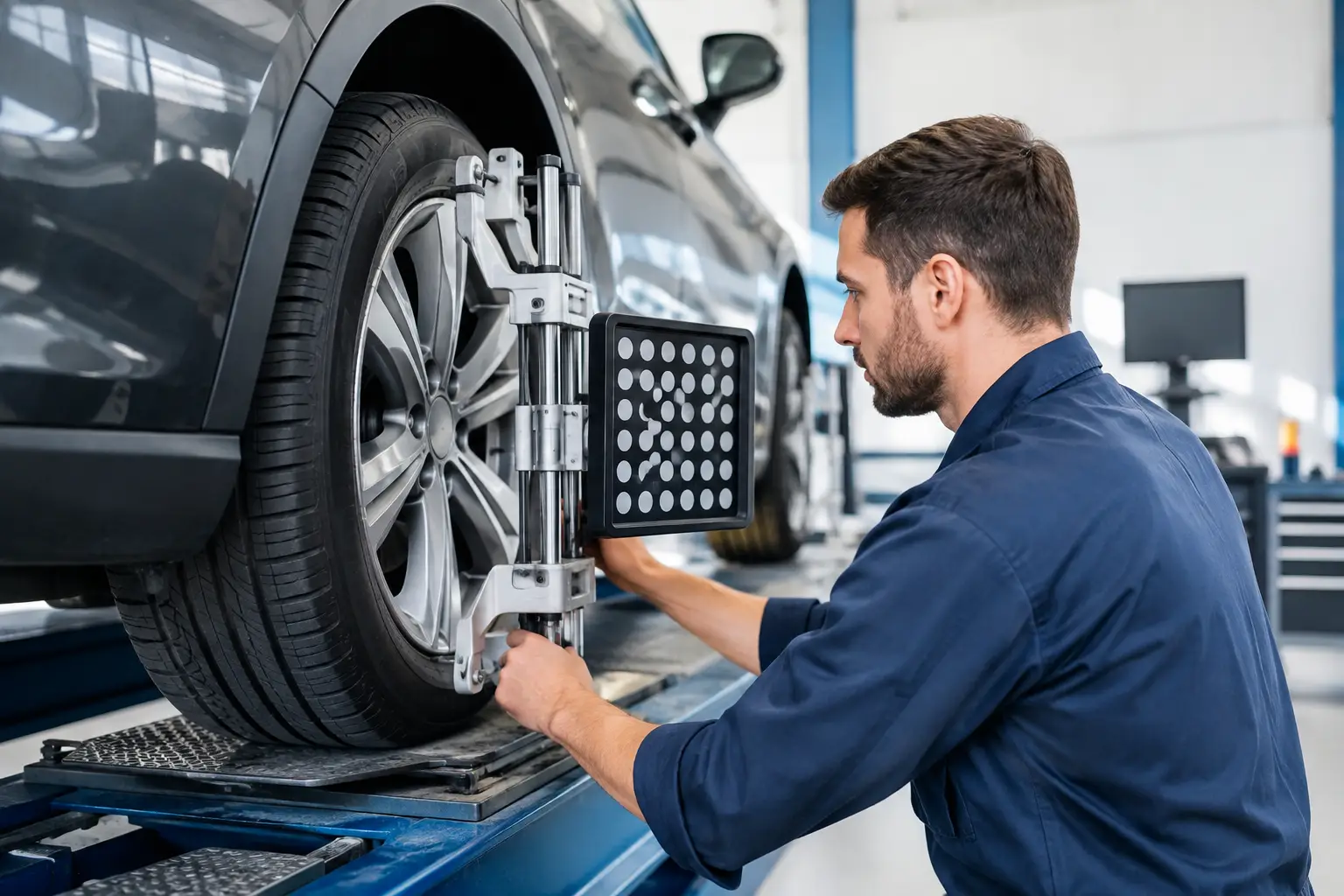
Wheel alignment is the adjustment of the angles at which your wheels meet the road. A technician measures and adjusts suspension-related angles to bring them within your vehicle manufacturer’s specifications. The goal is to ensure the tires point and sit correctly so your vehicle drives straight and the tread wears evenly.
Alignment is often described as a tire service, but the adjustments are made through the steering and suspension system, not the tire itself. Modern alignment equipment allows technicians to measure angles precisely and identify whether they can be corrected through adjustment or whether worn, bent, or damaged components need attention first.
Three measurements are especially important: camber, caster, and toe. Camber refers to the inward or outward tilt of a wheel when viewed from the front. Caster affects steering stability and how the steering wheel returns after a turn. Toe describes whether tires point slightly inward or outward when viewed from above. Small changes in these angles can have a major effect on handling and tire wear.
Signs Your Vehicle May Need an Alignment
A vehicle does not always pull dramatically when it needs an alignment. In many cases, the clearest warning is found on the tire tread. If one edge of a tire is wearing faster than the other, alignment should be checked before replacing the tires. Installing new tires without correcting the cause can lead to the same expensive wear pattern all over again.
You may also notice that the vehicle drifts left or right on a level road, the steering wheel is off-centre while driving straight, or the steering feels less stable than usual. Uneven handling after a collision, suspension repair, or significant curb impact is another reason to book an inspection.
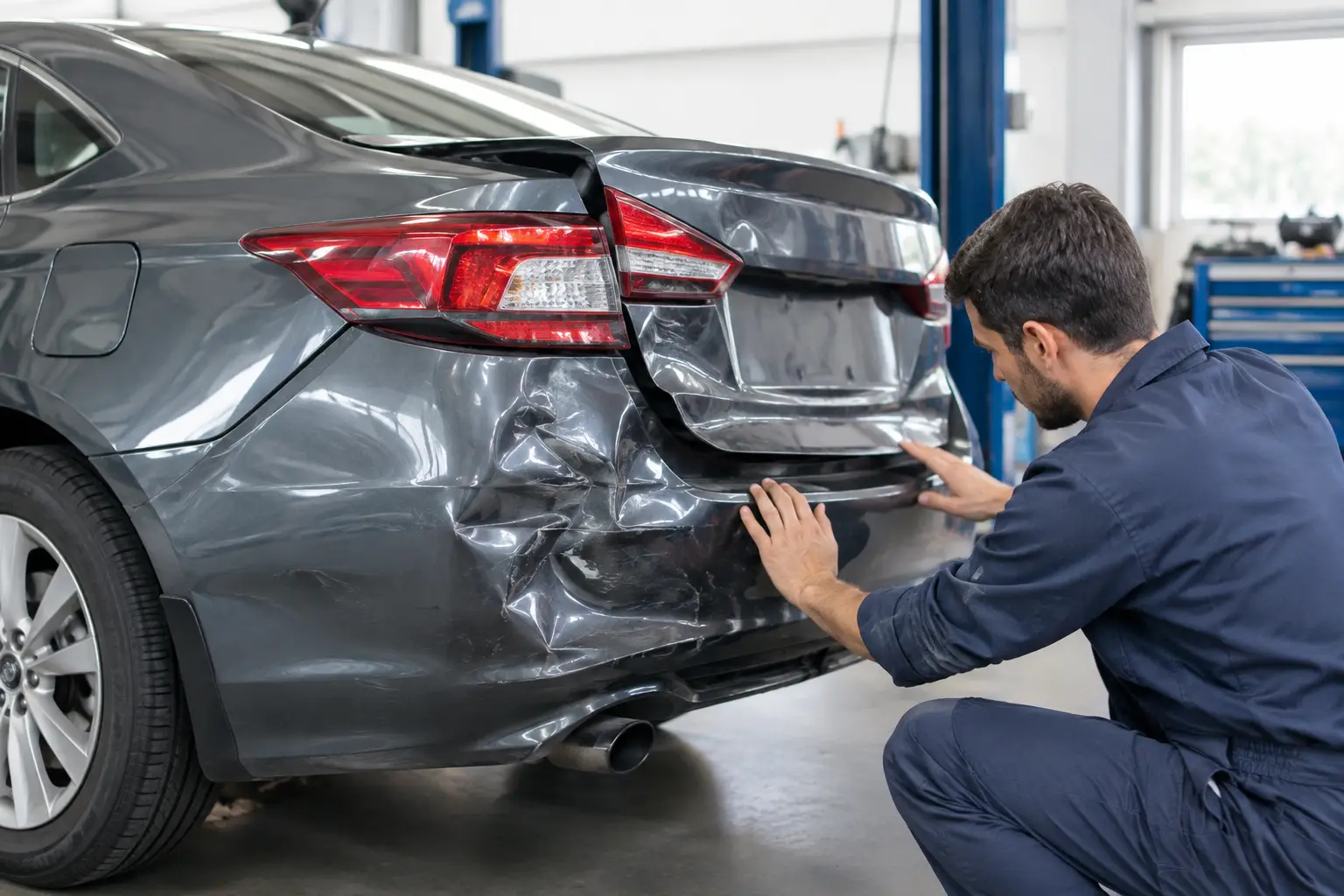
Ontario roads can be demanding on suspension and steering components. Deep potholes, frost heaves, construction zones, and winter road conditions can all contribute to an alignment concern. A single hard impact is sometimes enough to change an angle or damage a component.
What Is Tire Balancing?
Tire balancing addresses weight distribution around the wheel and tire assembly. Even a new tire and wheel are not perfectly uniform. A tire balancing machine spins the assembly to identify heavier and lighter areas, then a technician applies small counterweights to correct the imbalance.
When a wheel is properly balanced, it rotates smoothly at driving speed. When it is out of balance, the uneven weight creates a repeated vibration. That vibration may be mild around city speeds and become much more noticeable at highway speed.
Balancing is normally performed when new tires are installed, when tires are removed and remounted, or when a wheel weight has fallen off. It can also be needed if you feel a new vibration without an obvious steering or suspension issue.
Signs Your Tires May Need Balancing
The most familiar sign is vibration through the steering wheel, seat, or floor of the vehicle. The location can offer a useful clue. An imbalance in a front wheel is often felt through the steering wheel, while an imbalance at the rear may be felt more through the seat or body of the vehicle. That said, symptoms can overlap, so a professional inspection remains the best way to confirm the cause.
Vibration that becomes stronger within a particular speed range is especially common with tire imbalance. You might notice it at 80 km/h, feel it more strongly at 100 km/h, then find it changes again at higher speeds. A balanced wheel should not create this repeated shake.
Do not assume every vibration is a balancing issue. A bent wheel, damaged tire belt, loose wheel bearing, brake concern, worn suspension part, or driveline fault can also cause vibration. This is why a careful inspection matters before approving a repair.
Alignment Versus Balancing: The Key Difference
The simplest way to separate alignment versus balancing is this: alignment controls the direction and angle of the wheels, while balancing controls the even rotation of each wheel and tire assembly.
An alignment concern usually causes uneven tire wear, pulling, an off-centre steering wheel, or poor straight-line stability. A balancing concern usually causes vibration that is most noticeable at speed. One service does not replace the other. Balancing tires will not correct an off-centre steering wheel, and an alignment will not usually eliminate a vibration caused by an imbalanced wheel.
There are cases where both services are appropriate. If your tires are being replaced after uneven wear, the technician may balance the new tires during installation and recommend an alignment to protect them. If a pothole impact has bent a wheel, affected tire balance, and shifted an alignment angle, addressing only one part of the issue may leave you with continued symptoms.
Why Tire Wear Patterns Matter
Your tires provide a useful record of how your vehicle is performing. Regularly checking the tread can help you catch concerns before they become larger repairs or safety risks.
Wear on one inner or outer edge often points to an alignment problem, although worn suspension parts can contribute. Feathered tread, where one edge of each tread block feels sharp and the other feels smooth, can also indicate incorrect toe settings. Cupping or scalloped dips across the tread may be related to imbalance, weak shocks or struts, or other suspension concerns.
Tire pressure is part of the picture too. Underinflation tends to wear the outer edges, while overinflation can wear the centre of the tread. Tire rotation at the recommended interval helps distribute normal wear, but it cannot correct an alignment, balancing, or mechanical problem.
When to Schedule an Inspection
A wheel alignment check is worthwhile after a collision, a major pothole or curb strike, steering or suspension repairs, or the installation of new tires. It is also a sensible maintenance step when you see uneven wear or notice changes in handling.
Tire balancing should be considered whenever new tires are installed or when speed-related vibration appears. If the vibration started immediately after tire service, return for an inspection promptly. A missing wheel weight or mounting concern is often straightforward to correct, but it should not be ignored.
For vehicles used by families, commuters, and local businesses, timely tire and steering service is about more than ride comfort. Tires that wear prematurely add unnecessary cost, while handling concerns can affect braking stability and control in wet, snowy, or emergency conditions.
A Proper Diagnosis Comes First
The best repair starts with identifying the real cause. A technician should inspect tire condition and pressure, check wheels for damage, look for loose or worn steering and suspension components, and assess the symptoms you are experiencing. If components such as ball joints, tie rods, control arms, bushings, or wheel bearings are worn, an alignment may not hold until those repairs are completed.
It also helps to explain when the issue occurs. Let the shop know whether the vehicle pulls during normal driving or braking, whether vibration is felt in the steering wheel or seat, what speeds make it worse, and whether you recently hit a pothole or had work completed. These details support a faster, more accurate diagnosis.
At ASC Auto Body & Sales, experienced technicians can inspect the condition of your tires, steering, suspension, and wheels to recommend the service your vehicle actually needs. Whether the answer is alignment, balancing, tire repair, or a deeper mechanical inspection, addressing the concern early helps keep your vehicle smooth, safe, and ready for the roads ahead.