


A parking-lot dent on a door, a scraped bumper after a tight driveway turn, or a creased fender following a collision can look like a simple cosmetic problem. Sometimes it is. Other times, the visible mark is only the first sign of damaged mounts, broken clips, distorted metal, or safety systems that need attention. This car panel repair guide explains how to assess the damage, understand your repair options, and make a confident decision for your vehicle.
Start by Looking Beyond the Surface
Wash the affected area before judging the damage. Road film can hide fine scratches, paint transfer, cracks, and panel distortion. View the panel from several angles in good light. A shallow dent that nearly disappears from one position may be a candidate for paintless dent repair, while a sharp crease or stretched metal normally calls for more involved bodywork.
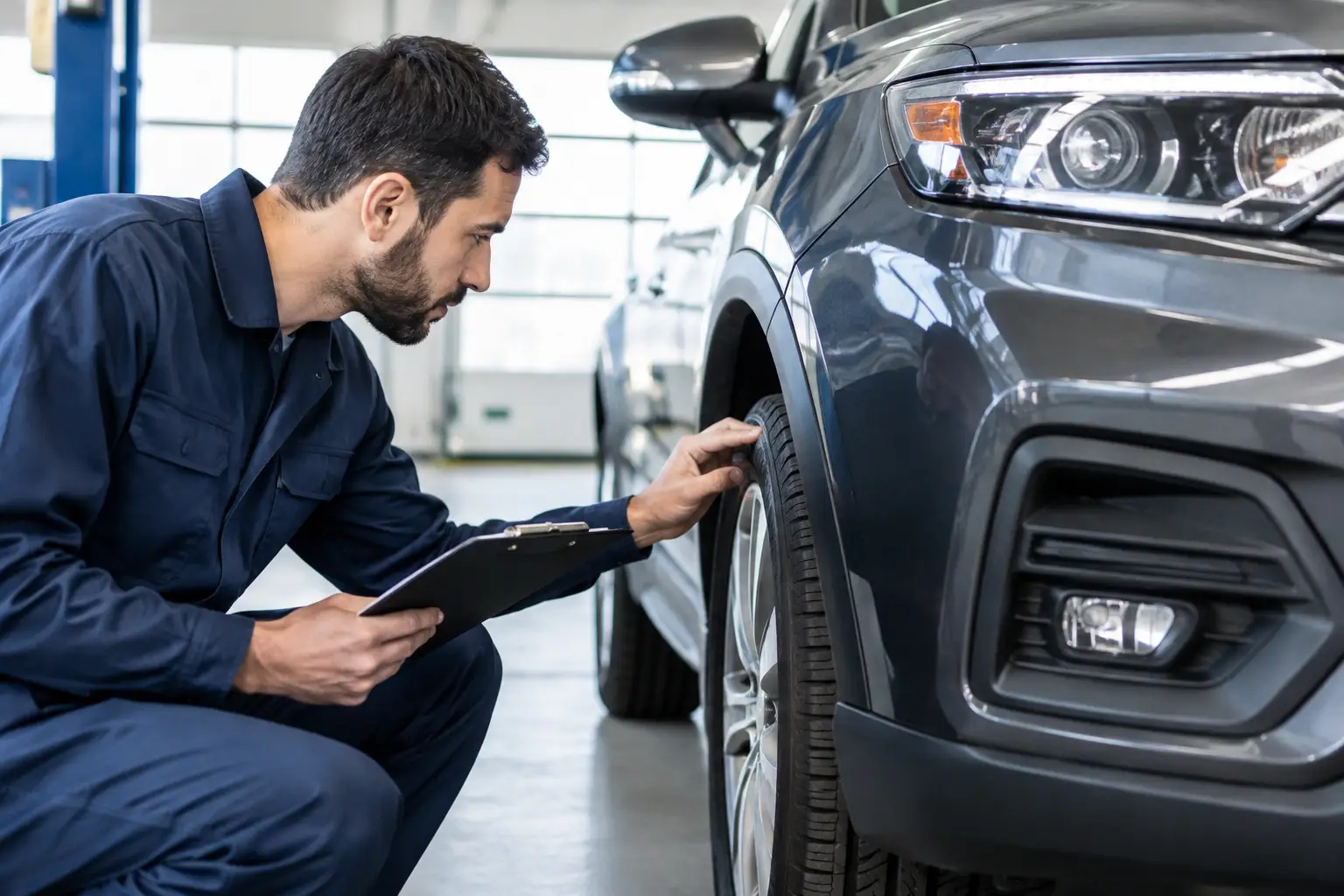
Check how nearby components fit together. Uneven gaps around a hood, trunk, door, headlight, or bumper can indicate that the impact moved more than the outer panel. A door that rubs, latches poorly, or needs extra force to close should not be treated as a cosmetic concern. The same applies to a bumper that feels loose, has cracked mounting tabs, or sits lower on one side.
After a collision, watch for warning lights, steering pull, vibration, fluid leaks, unusual tyre wear, or changes in braking feel. Modern vehicles place sensors, wiring, radar units, cameras, and structural reinforcements close to exterior panels. The vehicle may still drive, but it may not be operating as designed.
Car Panel Repair Guide: Repair or Replacement?
The right approach depends on the location, material, depth of damage, paint condition, and what sits behind the panel. A professional estimate should explain not only what will be repaired, but why that method protects appearance, fit, and safe operation.
When repair makes sense
Minor dents, door dings, low-speed creases, and surface scratches can often be repaired without replacing the panel. For a dent with intact paint and accessible backside, paintless dent repair may restore the shape without filler or refinishing. This option is efficient and preserves the factory finish, but it is not suitable for every dent. Sharp body lines, damaged paint, stretched metal, and restricted access can rule it out.
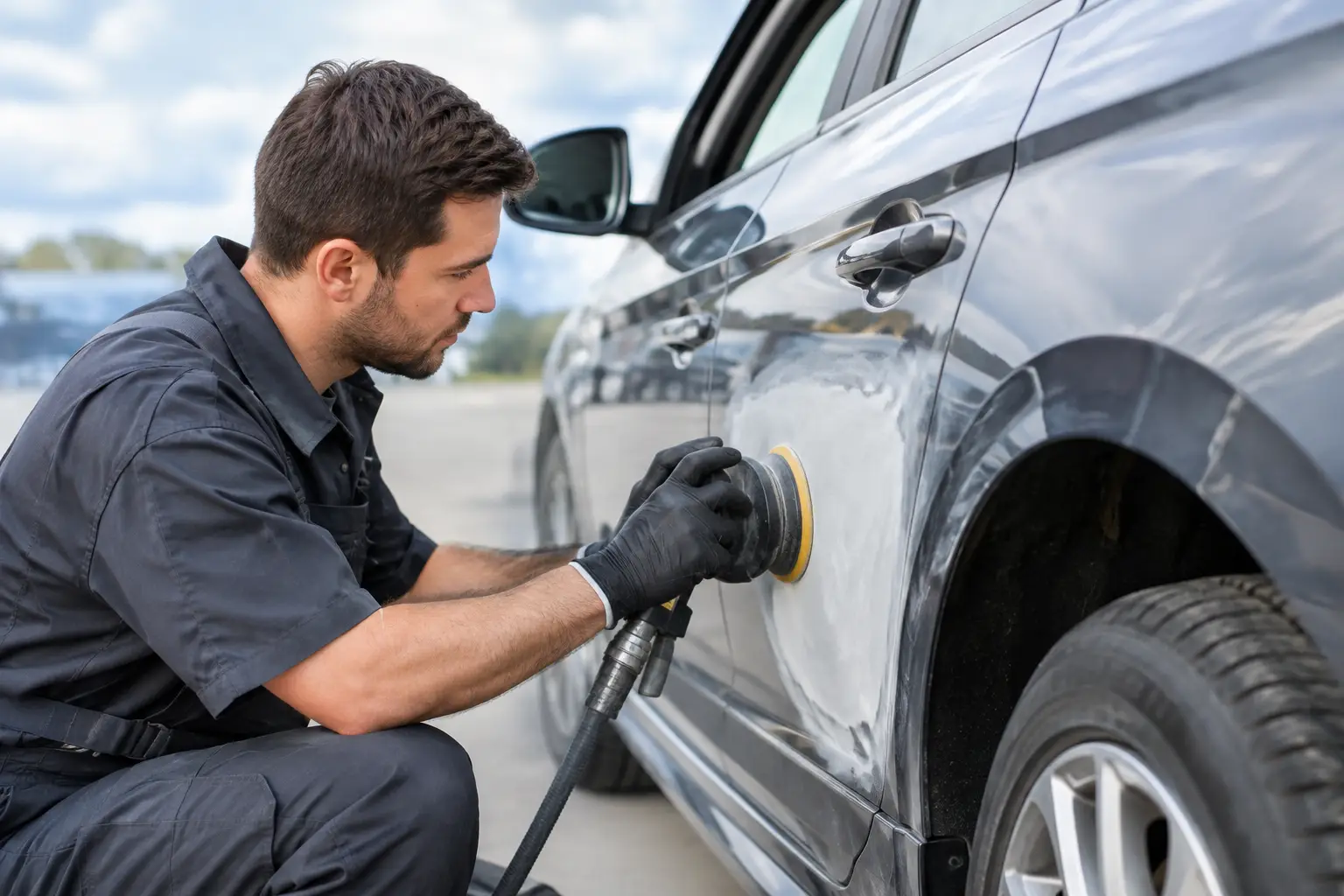
For deeper damage, a technician may reshape the metal or plastic, apply a controlled amount of filler where needed, prime the repair, and refinish the area. Quality matters at every stage. A panel can appear acceptable on the day it leaves the shop, yet show ripples, sand scratches, poor adhesion, or colour mismatch months later if preparation was rushed.
Repair is often the sensible choice when the panel remains structurally sound and can be restored to its original contour. It can reduce part costs and avoid unnecessary replacement. The trade-off is that severe stretching or complex damage may require more labour than a replacement panel, without delivering the same long-term result.
When replacement is the better choice
Replacement is commonly recommended for panels with severe tearing, corrosion, broken mounting points, extensive cracks, or damage near safety-critical areas. Bumpers are a good example. The painted cover may look like the only damaged part, but the foam absorber, reinforcement bar, brackets, sensors, and wiring behind it can also require inspection.
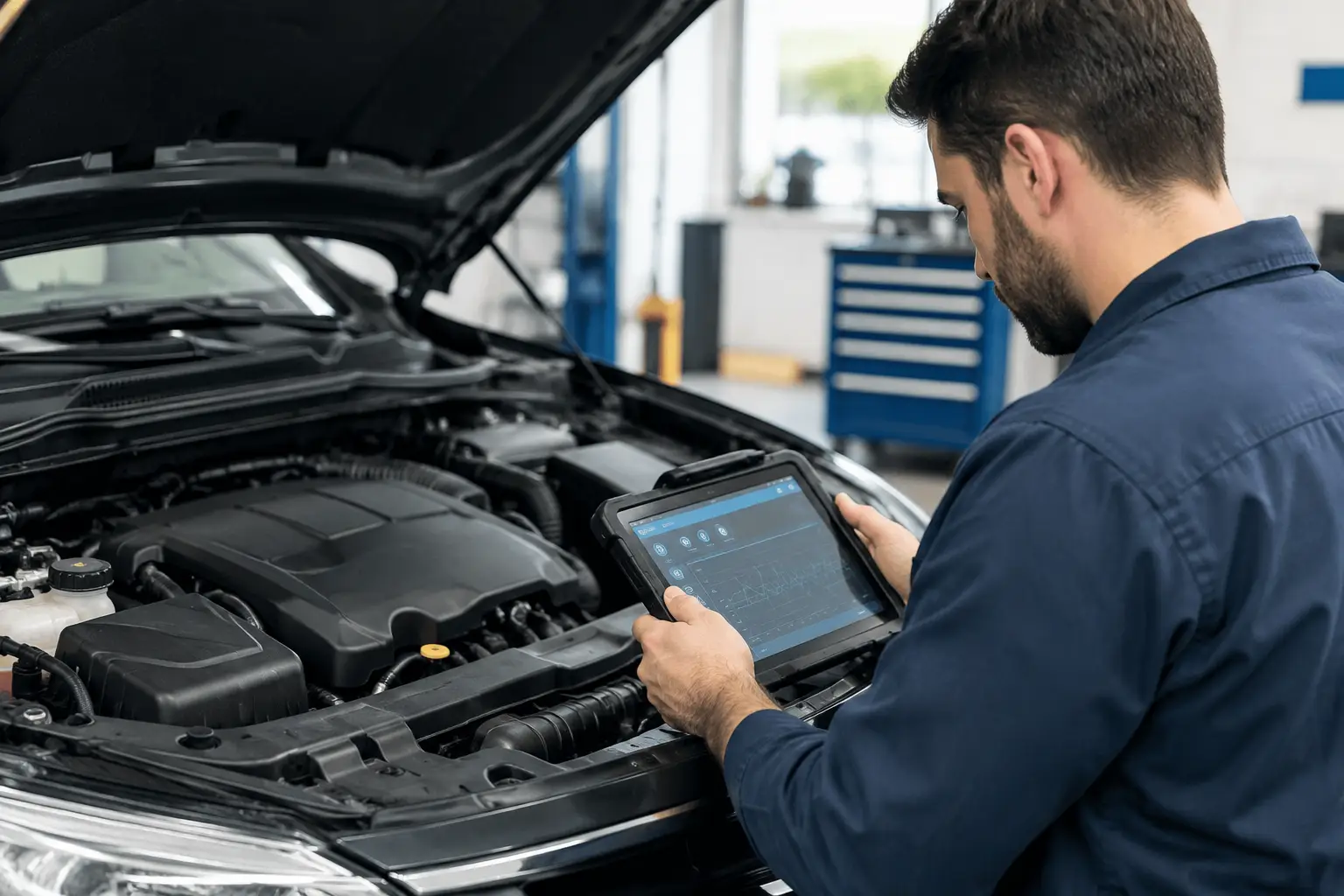
A replacement door, hood, fender, or bumper still needs professional fitting and refinishing. Panels are not simply bolted on and forgotten. Gaps must be aligned, edges protected, hardware transferred correctly, and paint blended where necessary for a consistent finish. If a camera, radar sensor, or parking sensor is affected, calibration may also be required after repairs.
Used parts can sometimes lower costs, particularly on older vehicles, but their condition, colour, corrosion history, and compatibility must be considered carefully. New original-equipment parts, aftermarket parts, and recycled parts each have different price and fit considerations. Your insurer may also have rules about parts selection on a claim.
Why Paint Quality Is Part of the Repair
A scratch that catches a fingernail has likely cut through more than the clear coat. Once the colour coat, primer, or bare metal is exposed, moisture can enter and corrosion may begin. Ontario winter roads add salt, slush, and temperature swings that can accelerate that process.
Professional refinishing is more than applying matching paint. The damaged area must be cleaned, sanded, repaired, primed, sealed, and sprayed under controlled conditions. Colour is then checked against the vehicle, which may have faded slightly over time. Technicians may blend paint into adjacent panels to avoid a visible colour transition, especially with metallic, pearl, and tri-coat finishes.
Small touch-up products can be useful for a temporary chip protection measure, but they rarely create an invisible repair. They also cannot correct a dent, protect damaged seam sealer, or address rust already developing below the surface. If you see bubbling paint, orange staining, or flaking around a panel edge, schedule an inspection sooner rather than later.
What to Do After a Collision or Fresh Damage
Take clear photos before washing, polishing, or attempting a repair. Photograph the full vehicle, the damaged area from multiple angles, nearby panels, and any debris or parts that have come loose. If another vehicle was involved, record the required accident and insurance information while details are fresh.
Do not pull dents with glue tabs, use heat on a plastic bumper, or push on a panel from behind unless you understand the material and structure involved. DIY methods can stretch metal, crack paint, damage wiring, and make a clean professional repair more difficult. Temporary tape can help secure a loose trim piece for a short trip to the shop, but it is not a permanent solution.
For insurance work, ask for a complete assessment rather than relying only on an initial visual estimate. Once a bumper or panel is removed, hidden damage may be found. A proper repair process accounts for supplements when justified, ensuring the final work addresses the full extent of the impact rather than only what was visible at first glance.
Questions Worth Asking Your Repair Shop
A trustworthy collision repair facility should be able to explain the repair in straightforward language. Ask whether the panel will be repaired or replaced, whether adjacent panels need blending, and whether there is any hidden damage risk. If your vehicle has driver-assistance features, ask whether scanning and calibration are required.
It is also reasonable to ask about the parts being used, expected turnaround time, paint and repair warranty, and whether the estimate includes clips, mouldings, corrosion protection, and other necessary materials. The lowest estimate is not always the lowest total cost if it excludes steps needed for a proper fit and lasting finish.
For Hamilton drivers, choosing a local shop with experience across collision repair, refinishing, glass, and mechanical concerns can make the process simpler. ASC Auto Body & Sales brings more than two decades of hands-on experience to repairs that must look right and support dependable road performance.
Protect the Repair Once the Vehicle Is Back
Follow the shop’s care instructions, particularly after refinishing. Fresh paint needs time to cure, so avoid aggressive washing, waxing, or abrasive cleaning until advised otherwise. Keep road salt off the vehicle during winter, clean mud and gravel from wheel arches, and inspect repaired areas periodically for chips or signs of corrosion.
If a door begins to sag, a bumper edge comes loose, a warning light appears, or you notice wind noise after the repair, contact the repair facility promptly. Early follow-up is the best way to correct an adjustment issue before it affects surrounding parts or your confidence behind the wheel.
Your vehicle does not need to be severely damaged to deserve careful attention. A precise panel repair protects its appearance, resale value, and, when impact damage is involved, the systems that help keep every trip safe. Book an assessment when the damage is fresh, and give the repair the standard your vehicle deserves.