




A service van waiting for a brake repair is not just one vehicle off the road. It can mean missed appointments, delayed deliveries, overtime for other drivers, and customers left waiting. This fleet downtime reduction example shows how a Hamilton business can reduce those disruptions through earlier maintenance, faster repair decisions, and a clear plan after an accident.
For local fleets, downtime is rarely caused by one dramatic failure alone. It usually builds from smaller issues that were easy to postpone: uneven tire wear, a warning light, a brake vibration, a cracked windshield, or a dented door that becomes a safety or access problem. The practical goal is not to eliminate every repair. It is to catch work while it can be scheduled instead of letting it become an unexpected roadside problem.
A Fleet Downtime Reduction Example for a Service Business
Consider a Hamilton plumbing company with 12 vans. Each vehicle carries equipment, parts, and technicians who have full daily schedules. When one van is unavailable, the company may need to move jobs to another vehicle, rent a replacement, or ask a technician to work without the tools needed for certain calls.
The company had been handling repairs as problems appeared. Oil changes were sometimes overdue during busy weeks, drivers mentioned brake noise only when it became persistent, and minor collision damage sat unresolved because the vans remained driveable. Over six months, three vans experienced avoidable unplanned downtime: one required brake and rotor replacement after metal-on-metal wear, one overheated due to a cooling-system issue, and one spent extra days out of service after a collision because damage documentation and parts decisions were delayed.
The solution was not simply to service every van more often. That would increase planned shop time and could become wasteful. Instead, the company introduced a straightforward vehicle-readiness process based on mileage, inspections, driver reporting, and repair priority.
Each van received a scheduled maintenance review before its manufacturer-recommended service interval. Drivers completed a short weekly walk-around that covered tires, lights, fluid leaks, windshield condition, warning lights, unusual noises, and visible body damage. The fleet coordinator reviewed reports every Friday and booked non-urgent work for lower-demand days.
Within the next six months, the company still needed repairs. Vehicles are working assets, and wear is part of operating them. But most repair time became planned rather than disruptive. Brake wear was identified before it affected stopping performance. Tire rotations helped prevent premature replacement. A diagnostic appointment addressed an engine light before it developed into a no-start condition. The business reduced emergency schedule changes because issues entered the repair process earlier.
Start With the Cost of One Vehicle Being Down
A useful fleet plan begins by measuring what downtime actually costs your operation. The repair invoice matters, but it is only one part of the expense. A vehicle that cannot operate may also create lost revenue, driver downtime, rental costs, dispatch changes, missed customer commitments, and pressure on the rest of the fleet.
For a contractor, a single van may represent a full day of booked calls. For a delivery business, it may reduce route capacity and force late shipments. For a sales team, an unreliable vehicle can affect customer confidence. The numbers will differ, but the principle is the same: a repair that is planned for a quiet afternoon is often far less costly than the same repair discovered halfway through a workday.
This calculation also helps determine which vehicles deserve the closest attention. A backup pickup used occasionally does not need the same service priority as a heavily loaded van that travels across Hamilton and surrounding communities every day.
Separate safety repairs from scheduling repairs
Not every concern should wait for the next open appointment. Brake problems, steering concerns, overheating, tire damage, major fluid leaks, active warning lights, and collision damage that affects lights, glass, doors, sensors, or safe operation require prompt professional assessment.
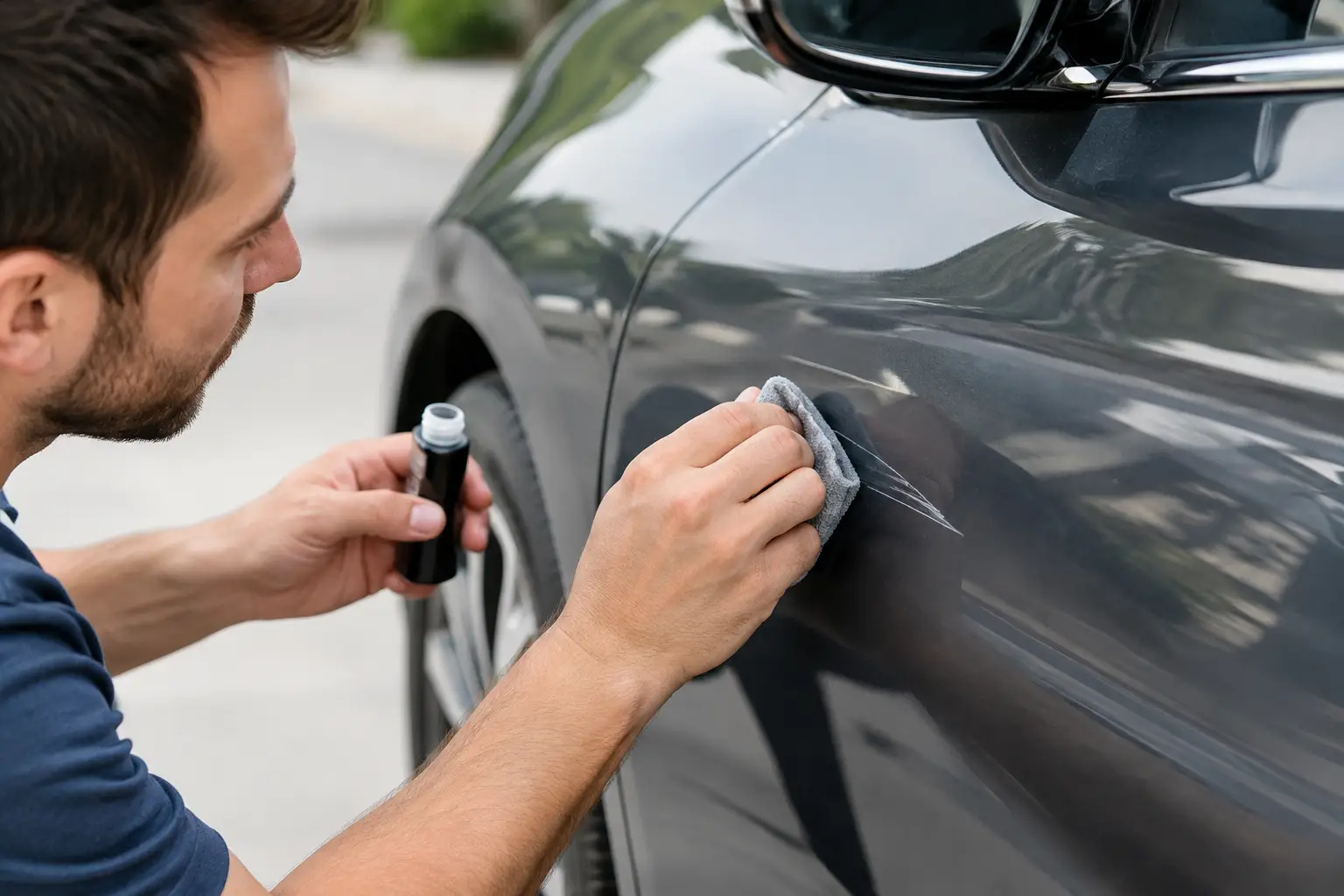
Other work may be scheduled around operations. Cosmetic dents and scratches, minor refinishing needs, or non-urgent accessory repairs can often be planned for a time when a replacement vehicle is available. The decision depends on the damage location, the condition of the vehicle, and whether the issue could worsen with continued use.
A qualified shop can help make that distinction. The right recommendation is not always the fastest possible repair or the least expensive immediate fix. It is the repair plan that restores safe, dependable performance while respecting the demands of your business.
Build a Maintenance Calendar Around How Vehicles Work
Calendar reminders alone are not enough for commercial vehicles. Mileage, idle time, payload, stop-and-go driving, seasonal conditions, and the equipment carried in the vehicle all influence wear. A van operating in frequent city traffic may need more attention than a vehicle that travels mostly on open highways, even if their mileage is similar.
Create a service record for every unit that tracks oil changes, tire rotations, brake inspections, fluid services, diagnostics, glass repairs, collision work, and recommended follow-up items. Keep notes simple enough that a manager can see what is due, what has been approved, and what can wait.
It is also wise to schedule short inspection appointments before the busiest season. A landscaping fleet may need this before spring demand rises. Delivery operators may choose the period before holiday volume. Trades businesses often benefit from an inspection before winter driving brings lower temperatures, road salt, reduced visibility, and harder starting conditions.
Planned maintenance does take a vehicle out of service for a period. That is the trade-off. However, controlling when that time occurs gives the business options: move jobs, use a spare vehicle, combine services in one visit, or schedule work outside peak hours.
Give Drivers a Clear Reporting Process
Drivers are often the first people to notice a problem, but they need a practical way to report it. Asking a driver to “keep an eye on it” can lead to vague information and unnecessary delays. A short checklist produces better details for both the fleet manager and the technician.
Drivers should report when the issue began, whether it is constant or intermittent, the vehicle mileage, any warning lights, and what they hear or feel. For example, “brakes squeal occasionally” is useful, but “front-end vibration during braking at highway speed” gives a repair professional a better starting point.
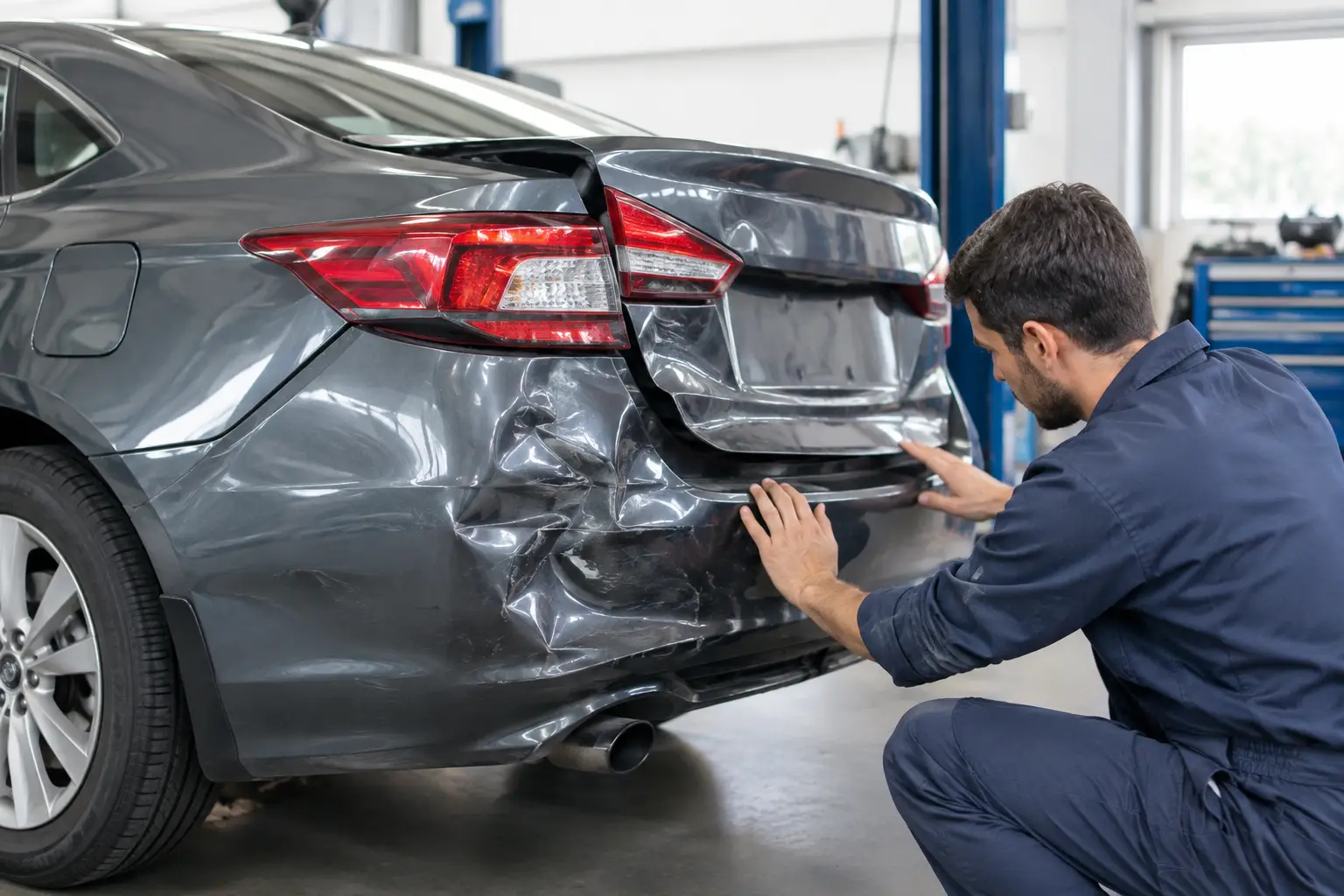
The same applies after a minor collision. Take clear photos, record the date and location, note whether doors, lights, glass, bumpers, or parking sensors are affected, and report the incident promptly. Early collision assessment can prevent a small visible issue from turning into a longer repair delay caused by hidden damage, parts ordering, or insurance documentation.
Use One Repair Partner for Faster Decisions
Fleet operators often lose time not because the repair itself takes too long, but because information moves slowly between the driver, manager, insurer, body shop, mechanical shop, and parts supplier. Working with a repair facility that can assess both mechanical needs and collision-related damage reduces those handoffs.
At ASC Auto Body & Sales, experienced technicians can assist Hamilton fleet operators with collision repair, refinishing, glass replacement, maintenance, brake service, diagnostics, and other mechanical concerns. Having a clear inspection and repair recommendation helps business owners decide what must be addressed immediately and what can be scheduled responsibly.
For collision-related downtime, ask for an early damage assessment and a realistic repair sequence. Parts availability, paint and refinishing requirements, calibration needs, and insurer approval can all affect timing. Promising an unrealistic completion date does not help a fleet. Clear communication and proper repair planning do.
Keep a Small Buffer in the Operation
The strongest maintenance plan cannot prevent every accident, flat tire, or unexpected component failure. Businesses with tightly scheduled fleets should consider a buffer, whether that is a spare vehicle, access to a short-term rental option, flexible job assignments, or equipment that can be transferred quickly between vehicles.
A buffer has a cost, so it makes the most sense for operations where one unavailable vehicle creates a major revenue loss. Smaller fleets may not need a dedicated spare, but they still benefit from knowing which vehicle can cover essential work if another unit is in the shop.
The best time to create that plan is before a breakdown or collision. When the phone is ringing and customers are waiting, decisions become rushed. A simple readiness process gives your team a better chance of keeping commitments while the vehicle receives the careful repair it needs.
If one vehicle is already showing warning signs, do not wait for it to choose your busiest day. Arrange an inspection, bring your service history, and ask for a repair plan that protects both your fleet schedule and the safety of the people behind the wheel.