




A fresh coat of paint can make a repaired vehicle look like the accident never happened, but the painting itself is only one part of the job. If you are asking, “how long does auto body paint take,” the honest answer is that it can range from one day for a small, straightforward touch-up to a week or more for collision-related refinishing. The timeline depends on the condition of the panel, the extent of the damage, the paint system required, and the level of finish needed to restore your vehicle properly.
For Hamilton drivers, the best repair is not simply the fastest one out of the shop. It is the one that delivers accurate colour, durable protection, and a finish that stands up to daily driving through changing Ontario weather.
How Long Does Auto Body Paint Take From Start to Finish?
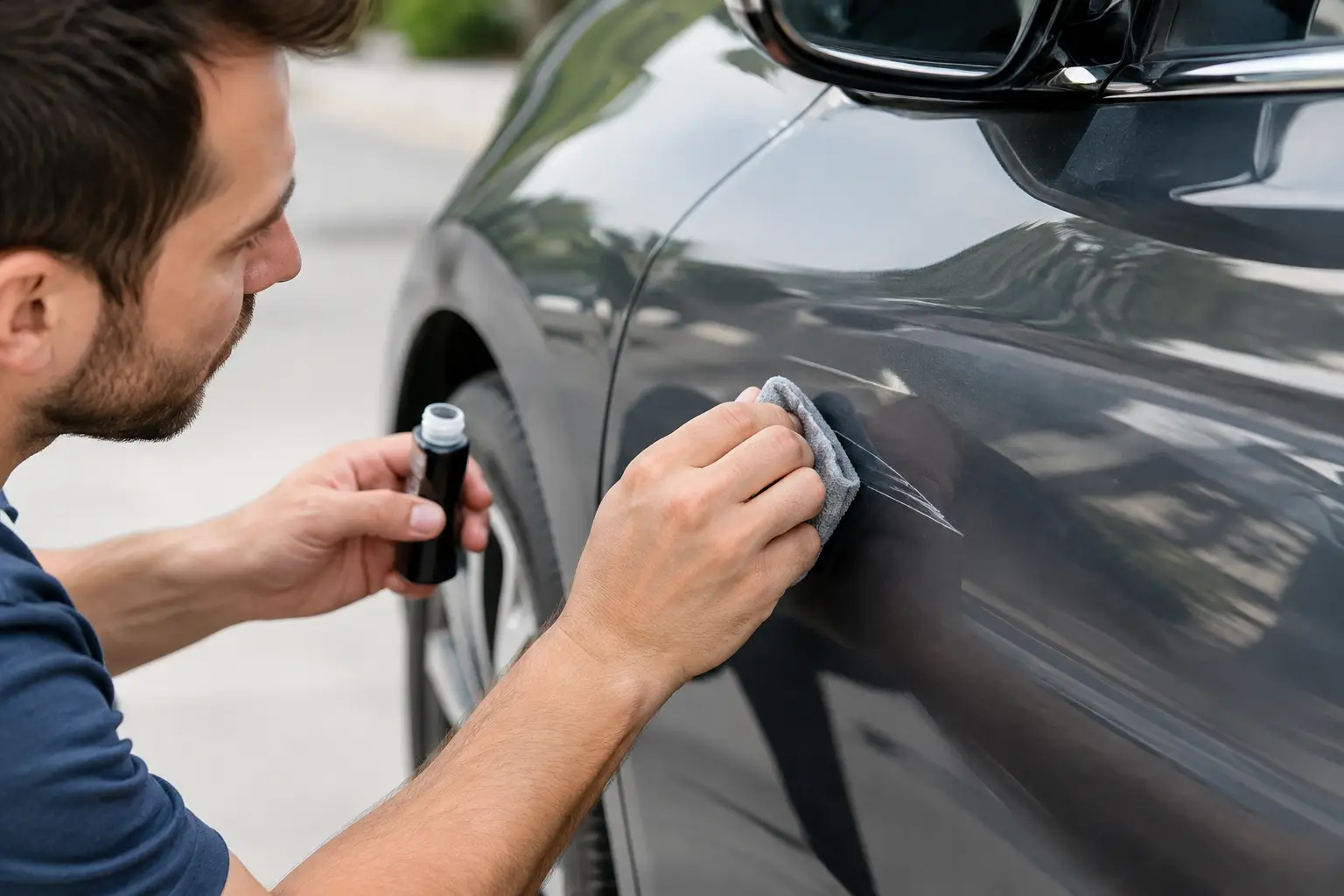
For a single bumper, door, or fender with minor damage, professional paintwork often takes two to four business days from drop-off to pickup. That includes preparation, refinishing, drying, polishing, and final inspection. A small scratch repair may be completed sooner when the damage is limited and the correct paint materials are available.
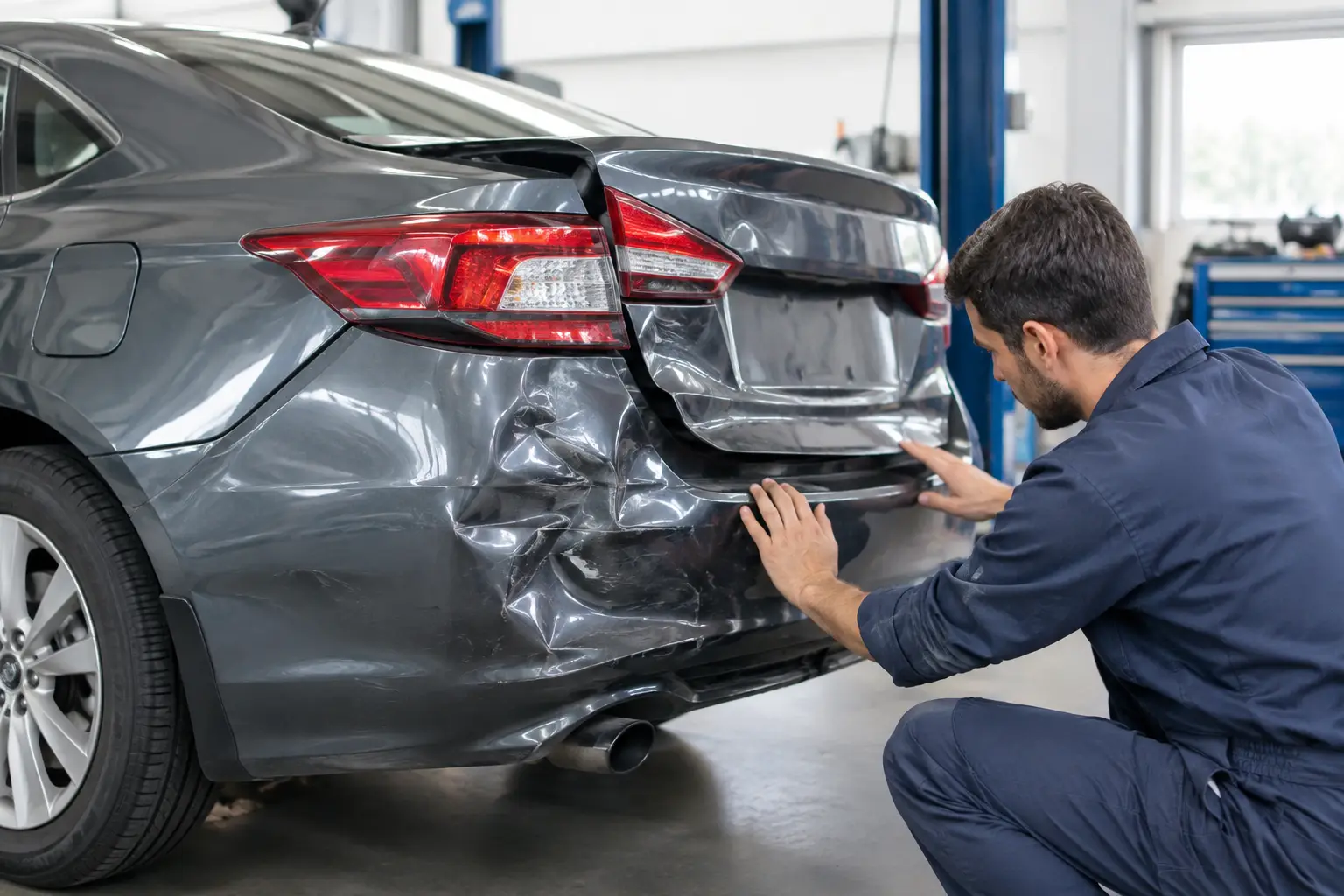
More involved repairs commonly take five to 10 business days, sometimes longer. This applies when several panels need refinishing, there is collision damage beneath the surface, replacement parts are required, or the repair involves insurance approval. A full-vehicle repaint is a much larger undertaking and can take several weeks, particularly when the vehicle needs extensive body restoration before paint can begin.
The actual spraying may take only a few hours. The work before and after the paint booth is what determines whether the finished result looks smooth, matches the surrounding panels, and lasts.
Why Preparation Takes So Much of the Timeline
Paint will not hide dents, cracked filler, rust, poor previous repairs, or uneven surfaces. In many cases, preparation is the most time-consuming and most valuable stage of auto body painting.
Technicians begin by assessing the damage and identifying whether the affected panel can be repaired or should be replaced. The area may need dent pulling, sanding, body filler, rust treatment, or primer before colour is applied. Each product needs the correct drying time and must be sanded carefully to create a level surface.
A deep scratch that reaches bare metal needs more attention than a surface scuff in the clear coat. Similarly, a bumper with paint transfer may require only cleaning and refinishing, while a cracked bumper could need plastic repair, preparation, and paint. Skipping these steps can lead to peeling, visible repair lines, or an uneven finish later.
The Paint Process, Step by Step
Once the panel is properly prepared, it is cleaned and masked to protect nearby trim, glass, panels, and interior areas. Primer is applied where required, followed by additional sanding to ensure the surface is ready for colour.
The colour coat is then sprayed in controlled layers. Modern automotive finishes are usually applied as a base coat and clear coat system. The base coat provides the vehicle’s colour, while the clear coat adds gloss and helps protect the finish from sunlight, moisture, road salt, and everyday wear.
Flash time is needed between coats. This is the period that allows solvents to evaporate before the next layer is applied. Rushing flash times can affect adhesion and finish quality. Once the clear coat is applied, the vehicle is cured in a controlled environment, often with heated equipment designed for automotive refinishing.
After curing, the repaired area may be polished to remove minor imperfections and bring out an even gloss. The vehicle is then reassembled, cleaned, and inspected for colour consistency, panel alignment, and overall workmanship.
Colour Matching Can Add Time – and It Is Worth It
Even when a vehicle has a factory paint code, achieving a like-new match is not always as simple as mixing one formula. Paint can change slightly over time because of sun exposure, weather, washing habits, and previous repairs. White, silver, red, pearl, metallic, and tri-coat colours can be especially demanding.
A skilled refinisher may need to create a spray-out card, compare the colour under different lighting, and make minor adjustments before painting the vehicle. In some cases, the colour is blended into an adjacent panel so there is no visible transition between old and new paint.
Blending adds labour and may increase the repair timeline, but it prevents the repaired panel from looking noticeably different in sunlight. It is one of the details that separates a quick paint job from professional collision refinishing.
Factors That Can Delay Auto Body Paint Work
Most reputable shops provide an estimated completion date, but a few variables can change it after the vehicle arrives. Insurance authorization is a common factor after an accident, particularly if hidden damage is discovered once the vehicle is disassembled. Parts availability can also affect the schedule if a damaged moulding, sensor bracket, bumper cover, or replacement panel is needed before reassembly.
The extent of damage matters as well. What appears to be a minor dent may reveal damaged clips, broken paint edges, corrosion, or panel distortion underneath. A shop should identify and explain these issues rather than paint over them.
Shop workflow can affect timing, especially during busy collision seasons. However, a quality facility manages its schedule around proper repair procedures, material curing requirements, and final inspection. Fast service matters, but it should never come at the expense of safe repairs or finish quality.
How Long Before You Can Drive After Painting?
In many cases, you can drive your vehicle home on the day it is released. Professional bake cycles and curing methods allow the paint to become sufficiently durable for normal use after the repair is completed. That does not always mean the finish has reached its full long-term hardness.
For the first 30 days, treat newly painted areas with extra care. Avoid automatic car washes with brushes, aggressive polishing, waxes, paint sealants, and harsh chemical cleaners. Hand washing gently with clean water and a mild automotive soap is usually the safer choice once the shop confirms it is appropriate.
Try to avoid parking under sap-producing trees or leaving bird droppings on the fresh finish. If either lands on the vehicle, clean it carefully as soon as possible. Road salt, gravel, and winter grime are realities for Hamilton drivers, so regular gentle cleaning remains helpful after the recommended curing period.
Can a Shop Paint Only One Panel?
Yes. A vehicle does not need a complete repaint because of one damaged panel. A professional body shop can repair and refinish a bumper, fender, door, quarter panel, hood, or other affected area. The decision to paint one panel or blend into neighbouring panels depends on the colour, location of the repair, and how naturally the new paint can be matched.
For example, a solid black or white panel may be easier to refinish independently than a metallic silver door beside a sun-faded fender. Your estimator should explain where the paint will be applied and why blending may be recommended. Clear communication helps you understand both the cost and the time involved.
Choosing Quality Over a Quick Turnaround
A rushed repair may look acceptable when the vehicle first leaves the shop, then reveal problems months later. Peeling clear coat, sand marks, colour mismatch, dust in the finish, or visible edges are often signs that preparation or curing was compromised.
At ASC Auto Body & Sales, experienced technicians approach refinishing as part of the complete repair, not as a cosmetic afterthought. The goal is to return your vehicle with a finish that looks right, protects the repaired area, and supports the safe, dependable condition you expect from your vehicle.
If your vehicle has scratches, collision damage, fading paint, or a damaged panel, arrange a professional assessment before assuming the repair will take only a few hours. A clear estimate and a properly planned paint process give you something better than a rushed promise: confidence every time you see your vehicle in the driveway.