A vehicle can look surprisingly intact after an impact while its underlying structure has moved by only a few millimetres. Those small changes can affect how it tracks on the road, how tires wear, and how safety systems perform in another collision. Professional frame straightening is the process of measuring and correcting that structural damage so the vehicle can return to its intended shape, handling, and safety standards.
For Hamilton drivers, this is not simply a cosmetic step after an accident. It is precision collision repair work that protects the value of the vehicle and the confidence you have behind the wheel.
What Frame Straightening Actually Means
The term “frame” is often used broadly, but modern vehicles are built in different ways. Trucks, larger SUVs, and some specialty vehicles may use a body-on-frame construction, where the body sits on a separate structural frame. Most passenger cars and crossovers use a unibody design, where the floor, rails, pillars, and other panels work together as the main structure.
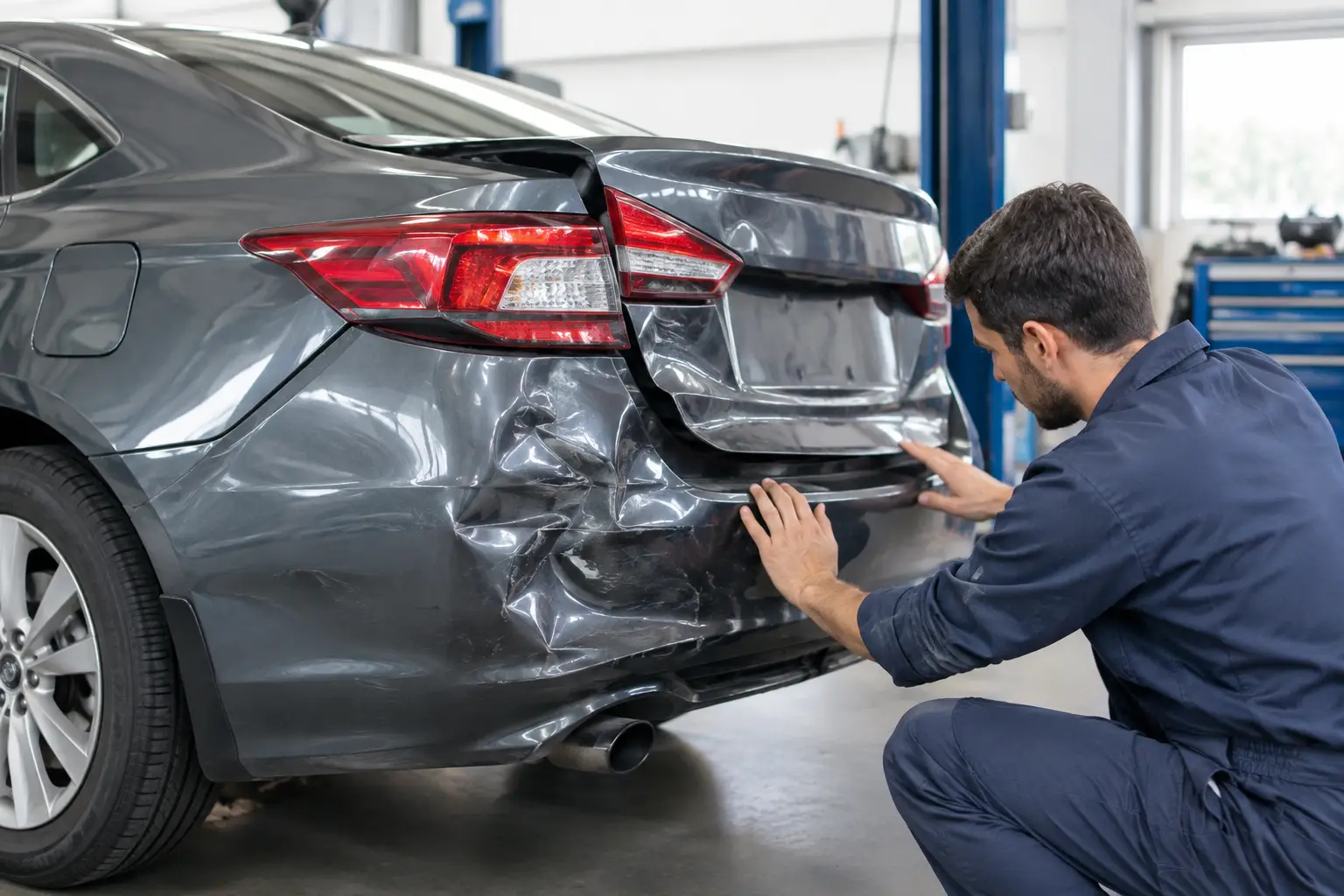
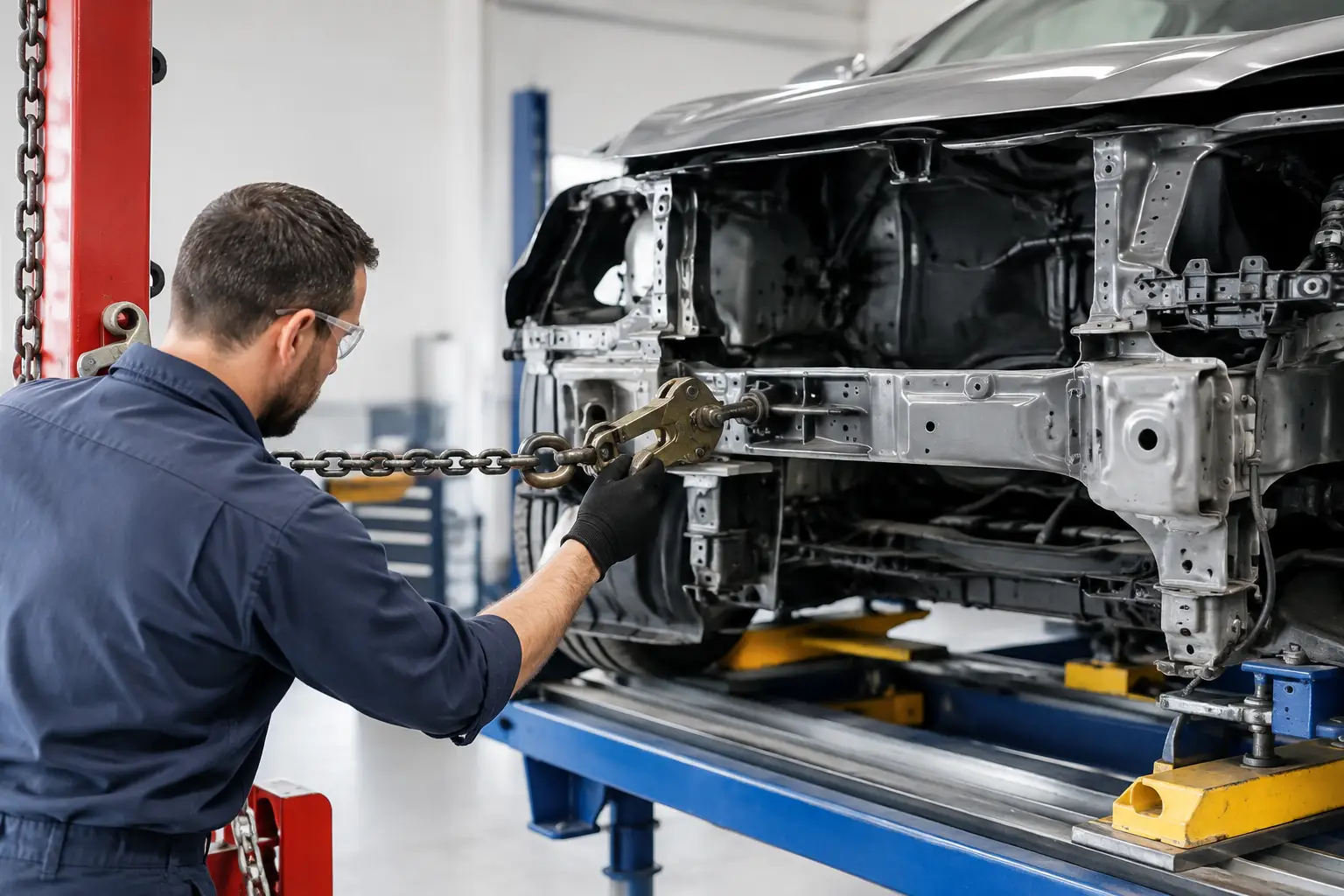
In either case, an impact can bend, twist, crush, or shift structural components. The visible damage may be limited to a bumper, fender, door, or quarter panel, yet the force of the collision can travel into rails, suspension mounting points, or the floor area. Frame straightening uses controlled pulling equipment, computerized measurements, and manufacturer specifications to identify and correct those changes.
The goal is not to make a vehicle merely look straight. The goal is to restore structural dimensions as accurately as the repair plan allows, so panels fit correctly, wheel alignment is achievable, and the vehicle operates as it should.
Why Accurate Measurements Matter
A collision repair facility should measure before making structural pulls, during the repair, and again before final reassembly. This process establishes where the vehicle sits compared with its original specifications and documents whether repairs have brought it back within acceptable tolerances.
Modern measuring systems can compare key points across the vehicle’s structure. Technicians can identify a rail that has shifted sideways, a suspension point that has moved, or a section that has collapsed after a frontal or rear impact. Without proper measurement, a repair can become guesswork, even if exterior panels appear well finished.
Accurate structural work supports several important outcomes:
- Steering and alignment can be adjusted to proper specifications.
- Tires are less likely to wear unevenly because of a shifted suspension position.
- Doors, hoods, trunks, and liftgates have a better chance of fitting and closing correctly.
- Collision energy-management areas can be repaired according to the intended repair procedure.
- The vehicle is better positioned for safe, dependable road use after refinishing and reassembly.
It also helps prevent frustrating problems that may not appear until weeks later, such as wind noise, water leaks, uneven panel gaps, a steering wheel that sits off-centre, or a vehicle that pulls during normal driving.
Signs Your Vehicle May Need Structural Repair
After any moderate or major collision, a professional inspection is the right starting point. Damage is not always obvious from the driveway or a quick look around the vehicle. However, certain signs make structural assessment especially important.
If the vehicle pulls to one side, the steering feels different, or the wheels cannot be aligned properly, there may be damage beyond the visible body panels. Uneven gaps around the hood, doors, trunk, or liftgate can also suggest that mounting points or surrounding structure have shifted. Other warning signs include tires rubbing, suspension noise after the accident, a crooked steering wheel, or doors that suddenly require extra force to latch.
A hard impact to a wheel, curb, pole, barrier, or another vehicle deserves attention even when the bumper damage seems minor. The same applies to rear-end collisions, where hidden damage may extend behind the bumper cover and into the rear body structure.
How the Frame Straightening Process Works
Every collision is different, so a proper repair begins with assessment rather than assumptions. The technician inspects the damage, reviews the vehicle’s construction, and determines which components can be repaired and which must be replaced. On newer vehicles, this often includes checking manufacturer repair information and considering the location of sensors, airbags, cameras, radar units, and high-strength materials.
The vehicle may then be secured to a frame rack or structural repair system. This equipment holds the vehicle firmly while controlled hydraulic pulls are applied in specific directions. Rather than pulling until an area appears acceptable, technicians use measurements to guide each adjustment.
Some damaged sections can be straightened safely when the material and manufacturer procedure allow it. Other sections, especially those designed to absorb collision energy, may require replacement. This is one of the key trade-offs in structural repair: repairing a part may be appropriate in one area, while replacing it is the safer and more correct choice in another.
Once structural dimensions are verified, the repair can move forward to related work. That may include suspension repair, wheel alignment, body panel replacement, welding or bonding procedures, corrosion protection, refinishing, glass replacement, and recalibration of advanced driver-assistance systems where required.
Why Experience and Equipment Both Matter
Structural repair is not a place to compromise on process. A frame rack alone does not guarantee a quality result, just as a paint booth alone does not guarantee a high-quality finish. The outcome depends on trained technicians, reliable equipment, correct repair information, careful measurement, and a repair plan that respects the way the vehicle was engineered.
Vehicles have also become more complex. High-strength steel, aluminum, mixed materials, sensor technology, and carefully designed crumple zones all affect how collision damage should be handled. Applying too much heat, using an unsuitable pulling method, or overlooking a required replacement can create problems that are not visible once the paint is complete.
A professional shop will explain the damage in practical terms, outline the repair approach, and keep the scope focused on restoring safe operation. For insurance-related collision repairs, clear estimates, documentation, and communication help make an already stressful situation easier to manage.
Frame Straightening and Vehicle Value
Correct structural repair helps preserve more than drivability. It can affect resale confidence, future maintenance costs, and how well the vehicle holds up over time. Poorly repaired collision damage can lead to panel fit issues, persistent alignment concerns, premature tire wear, and visible corrosion if protection steps are missed.
That said, whether a vehicle should be repaired depends on the extent of the damage, its age and value, availability of parts, and the cost of restoring it properly. In severe collisions, replacement may be the practical decision. A trustworthy collision repair assessment should be honest about that distinction rather than promising that every vehicle can or should be returned to the road.
For many vehicles, however, precision structural repair combined with quality bodywork and refinishing can restore a vehicle to a clean, dependable, like-new appearance. The right result is achieved through careful work at every stage, not by rushing to the final coat of paint.
Choosing a Hamilton Collision Repair Shop
When your vehicle has been in an accident, ask whether the shop performs structural measuring and frame repair, how it approaches manufacturer repair procedures, and whether related mechanical and safety-system needs can be addressed. You should also expect a clear explanation of what was found and what work is recommended.
ASC Auto Body & Sales brings more than 20 years of dedicated service to collision repair in Hamilton, with a focus on precision, high standards, and customer confidence. From structural repair and refinishing to mechanical concerns that can follow an impact, the objective is straightforward: restore your vehicle’s appearance and dependable road readiness with care.
If your vehicle has taken a hard hit, do not rely on appearances alone. Arrange a professional inspection before minor handling concerns become larger safety or maintenance problems.