
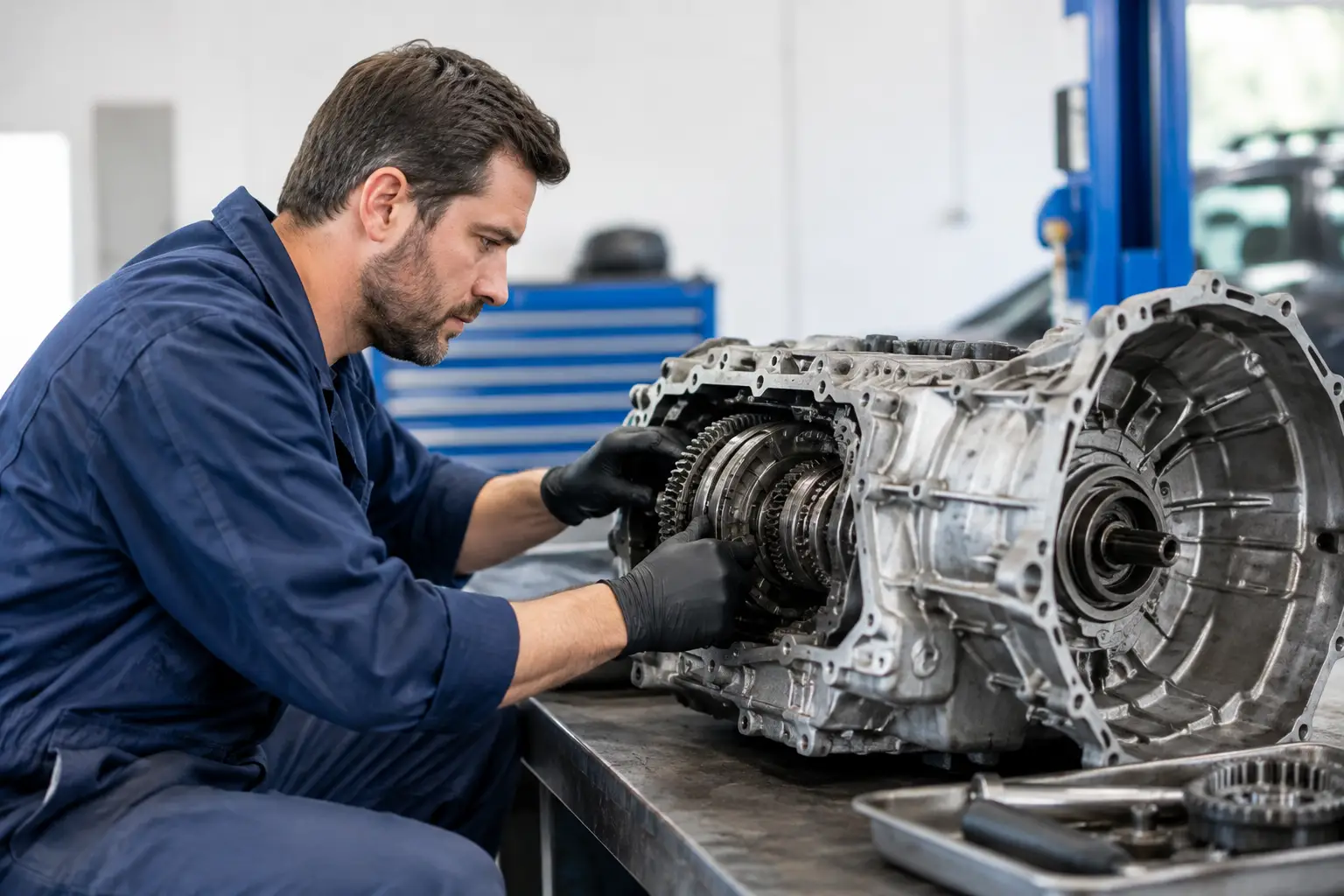
A transmission concern rarely begins with a complete breakdown. It may start with a delayed shift when pulling away from a Hamilton stoplight, a vibration on the Lincoln Alexander Parkway, or an unfamiliar noise during the morning commute. Transmission repair Hamilton drivers arrange early can often prevent a smaller performance issue from developing into a more involved and costly repair.
Your transmission transfers engine power to the wheels at the right speed for the conditions. Whether your vehicle has an automatic, manual, continuously variable transmission (CVT), or an all-wheel-drive system with related drivetrain components, it relies on clean fluid, proper pressure, precise electronic communication, and sound mechanical parts. When one area is not performing as it should, the vehicle can become less efficient, less predictable, and potentially unsafe to drive.
Transmission Repair Hamilton Drivers Should Not Put Off
Transmission problems can be easy to overlook because they do not always trigger an immediate warning light. A vehicle may still get you to work, pick up the kids, or complete a delivery route, but the way it drives often tells an important story. Paying attention early gives a qualified technician more information to work with and may reduce the risk of further damage.
A noticeable delay when shifting from park into drive or reverse is one common sign. So is slipping, where engine RPM rises but the vehicle does not accelerate as expected. Harsh or abrupt gear changes, shuddering while accelerating, and a vehicle that hesitates before selecting a gear are also reasons to schedule an inspection.
Unusual sounds deserve attention as well. Whining, humming, grinding, or clunking can come from the transmission, driveline, wheel bearings, engine mounts, or other systems. The sound alone does not confirm the cause, which is why professional diagnostics matter. Replacing a part based only on a noise or an online guess can waste time and money.
Fluid leaks should never be ignored. Transmission fluid may appear red, pink, brown, or darker depending on its age and type. A small spot under the vehicle can be caused by a seal, pan gasket, cooler line, or another related component. Leaving it unresolved can lower fluid levels, affect hydraulic pressure, and lead to internal wear.
Finally, take the check-engine light seriously, especially when it appears with shifting concerns. Modern transmissions are closely connected to the engine control system. A stored fault code can point technicians toward an electrical issue, sensor concern, solenoid problem, pressure fault, or a condition that needs further testing.
Why Accurate Diagnostics Matter Before Transmission Work
Transmission repair is not a one-size-fits-all service. Some concerns are resolved through maintenance, fluid service, an adjustment, software-related diagnosis, or replacement of an external component. Others require more extensive mechanical work. The right solution depends on the vehicle, its mileage, service history, symptoms, and the results of a proper inspection.
At ASC Auto Body & Sales, the diagnostic process is approached with the same precision used in collision and mechanical repair. Technicians assess the vehicle’s reported symptoms, check for visible leaks and damage, review warning lights and diagnostic information, and consider how the concern occurs during operation. This creates a clearer picture before repair recommendations are made.
That distinction matters because transmission symptoms can overlap with other problems. A rough shift may be connected to an engine misfire, low battery voltage, a damaged mount, worn drivetrain components, or a programming issue. A vibration that feels like a transmission problem may actually be related to tires, brakes, suspension, or axles. A careful diagnosis protects customers from paying for repairs that do not address the root cause.
There is also a practical trade-off between acting quickly and assuming the worst. Not every unusual shift means a transmission needs to be rebuilt or replaced. At the same time, continuing to drive with slipping, overheating, or serious engagement issues can turn a repairable concern into major internal damage. The sensible approach is prompt assessment, followed by a repair plan based on evidence.
Maintenance Can Protect Transmission Performance
Transmission fluid is both a lubricant and a working hydraulic fluid in many vehicles. Over time, heat, stop-and-go traffic, heavy loads, towing, and normal wear can reduce its ability to protect internal components. Manufacturers set different service intervals, and some vehicles have specific fluid requirements that should not be substituted casually.
A transmission fluid service may be appropriate when recommended by the manufacturer or when a technician confirms it suits the vehicle’s condition. It is not automatically the answer for every transmission issue. On a high-mileage vehicle with existing shift concerns, the best service decision depends on what is found during inspection and what the manufacturer recommends.
Hamilton drivers who regularly face congested traffic, frequent short trips, winter cold, or commercial use should be especially attentive to scheduled maintenance. Fleet vehicles and work vehicles deserve a proactive approach because unexpected downtime affects more than one appointment or commute. Keeping records of fluid services, repairs, and warning-light diagnoses also helps technicians make informed recommendations over the life of the vehicle.
What to Expect From a Transmission Inspection
A professional appointment should begin with a conversation about what you have noticed. Be specific about when the issue occurs: during a cold start, after driving for 20 minutes, while accelerating uphill, when reversing, or only at highway speed. Mention any recent collision, curb impact, towing, fluid service, or repair work. Details that seem minor can help narrow the diagnostic path.
The inspection may include a road test when safe and appropriate, a scan for fault codes, a visual check for leaks, and an examination of related mechanical systems. Technicians may assess fluid condition, inspect mounts and connections, and test components that influence shifting and power delivery. The exact process depends on the vehicle and the symptom.
Once the cause is clearer, you should receive a straightforward explanation of the recommended work. A quality repair conversation covers what is wrong, why the repair is being suggested, how urgent it is, and what can happen if the issue is delayed. It should also distinguish between essential safety or drivability repairs and maintenance items that can be planned for a later visit.
For some vehicles, the most practical repair may be a targeted component replacement. For others, wear or internal damage may justify more involved transmission work. Availability of parts, vehicle age, overall condition, and the owner’s plans for the vehicle all matter. A family keeping a reliable vehicle for several more years may make a different decision than a business assessing the cost of downtime or an enthusiast restoring a valued vehicle.
Protecting Your Vehicle Between Appointments
If you suspect a transmission problem, avoid treating it as a normal quirk. Do not tow beyond the vehicle’s rating, continue hard acceleration through slipping, or ignore a burning smell or major fluid leak. If the vehicle struggles to engage a gear, loses power unexpectedly, or displays serious warning messages, arranging safe transport may be wiser than driving it to the shop.
You can also help prevent avoidable strain by following the maintenance schedule in your owner’s manual, using the correct fluids, and addressing engine or cooling-system concerns promptly. Transmission performance depends on the health of the vehicle around it. Overheating, electrical faults, and neglected drivetrain repairs can all create conditions that affect shifting quality.
A vehicle should feel dependable every time you put it in gear. If shifting has changed, a warning light has appeared, or fluid is showing up on the driveway, schedule an inspection with an experienced Hamilton team before the concern has a chance to grow. Early attention supports safer driving, more confident commutes, and the efficient performance your vehicle was built to deliver.