
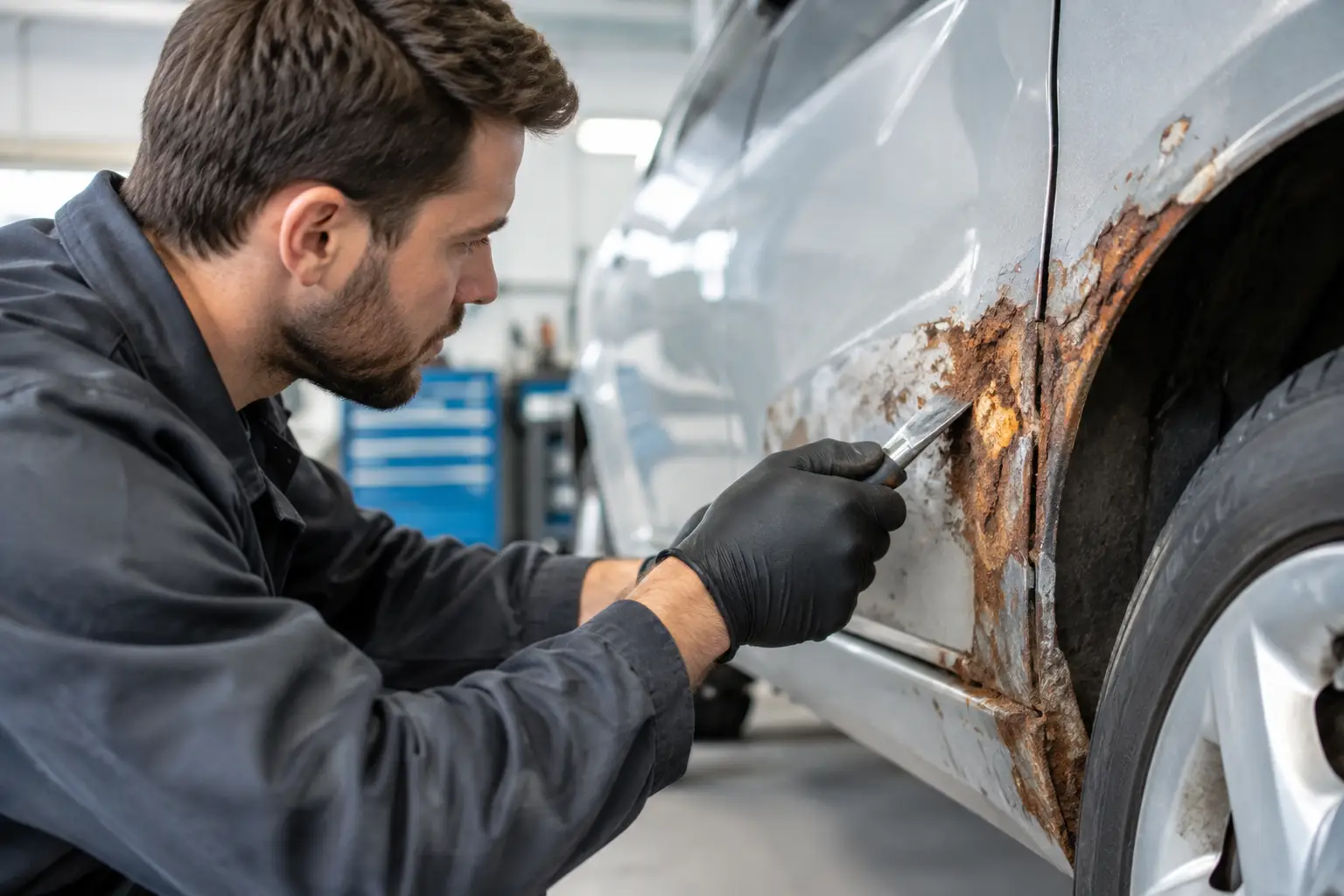
A small rust bubble beside a wheel arch can look like a cosmetic annoyance. In Hamilton, where winter salt, slush, and changing temperatures work their way into seams and stone chips, it can become much more than that. Timely rust repair for car body protects your vehicle’s appearance, preserves its value, and helps prevent corrosion from reaching structural areas that affect safe operation.
The best time to address rust is before it becomes a hole. That does not mean every orange mark calls for major bodywork, but it does mean a proper inspection matters. Rust often spreads beneath paint, inside panel seams, and behind plastic trim long before the visible damage tells the full story.
Why car body rust spreads so quickly
Rust is the result of steel reacting with oxygen and moisture. A chipped bumper cover will not rust because it is plastic, but a paint chip on a steel hood, door edge, rocker panel, or quarter panel exposes metal to water and air. Add road salt, gravel impact, and repeated freeze-thaw cycles, and corrosion can advance surprisingly quickly.
The visible spot is often only the starting point. Water may enter through a damaged paint edge, travel beneath the finish, and create corrosion under an area that still appears intact. By the time paint begins to bubble, the metal underneath may already be thinning.
Common problem areas include wheel arches, rocker panels, lower door edges, trunk lids, hood fronts, rear quarter panels, and the underside of the vehicle. These locations collect moisture and road debris, or take regular impact from stones. Older vehicles are especially vulnerable, but newer vehicles can develop rust when paint damage is ignored or prior repairs were not properly sealed.
Surface rust, scale rust, and perforation
Not all corrosion requires the same repair. Understanding the difference helps vehicle owners make a sensible decision rather than covering up a problem that will return.
Surface rust
Surface rust is the earliest and most repairable stage. It may appear as a light orange stain, a rough patch around a paint chip, or a small area where the finish has lost adhesion. If the metal remains solid, a technician can remove the corrosion, prepare the surface correctly, apply corrosion-resistant materials, and refinish the panel to restore protection and appearance.
This is the point where prompt action offers the best value. Repairing a localized area is generally less involved than replacing metal that has deteriorated from the inside out.
Scale rust
Scale rust has progressed beyond the surface. The metal may feel rough, flaky, or uneven, and tapping it may reveal weakened material underneath. Simply sanding and painting over scale rust is not a lasting repair. Loose corrosion must be removed, the remaining metal assessed, and the repair area properly treated and sealed.
Depending on the location and extent, the repair may involve more extensive preparation or a carefully fabricated patch. The right approach depends on whether the panel is cosmetic, structural, or part of a safety-related mounting area.
Perforation and structural corrosion
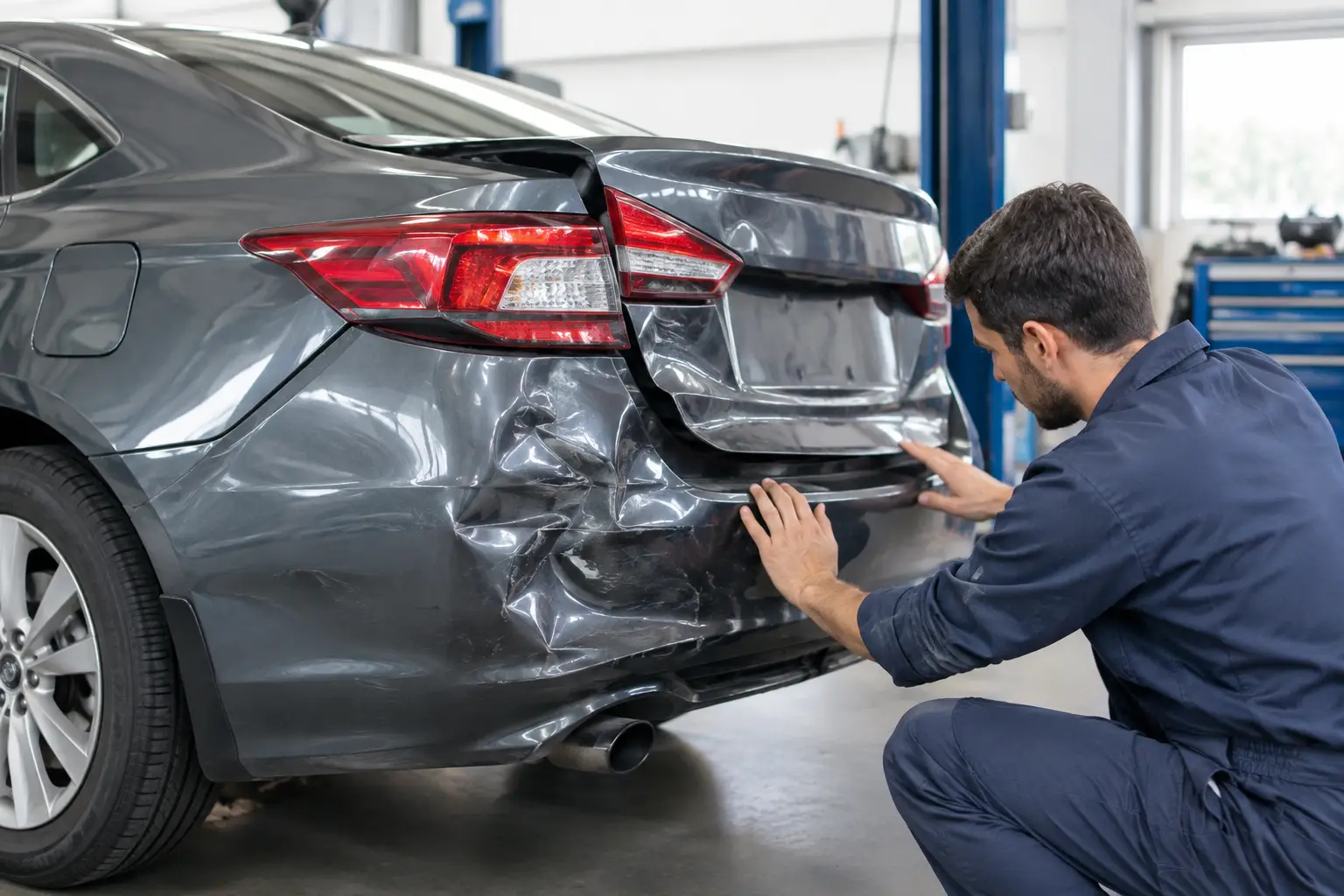
When rust creates holes, weakens rocker panels, affects suspension mounting points, or reaches floor sections and frame-related components, the issue requires professional attention. Perforation is not just an appearance concern. It can allow water into the cabin, reduce panel strength, and create complications during a safety inspection.
At this stage, filler alone is not the answer. A durable repair may require cutting out compromised metal, welding in sound material, sealing both sides where possible, and refinishing the repair area. The goal is to restore integrity, not simply hide the damage for a season.
What professional rust repair for car body involves
Quality rust repair is a process, not a quick coat of paint. The work begins with an inspection to determine how far the corrosion has travelled. Technicians may need to remove trim, wheel-well liners, mouldings, or interior components to access the full affected area.
The damaged paint and corrosion are then removed until solid material is reached. If the metal is still sound, the area can be cleaned, shaped, and treated with suitable corrosion protection before primer and refinishing. If corrosion has eaten through the panel, compromised sections may need to be removed and replaced with properly fitted metal.
Preparation is where lasting results are made. A repaired panel needs the correct primer, seam sealer where appropriate, colour matching, and clear coat protection. Areas behind the visible repair also need attention. If moisture can still reach an unfinished seam or bare edge, rust can return from the back side even when the exterior looks excellent.
The final finish should blend naturally with surrounding panels and restore the vehicle’s like-new appearance. On a daily driver, that protects resale value and pride of ownership. On a work vehicle or fleet unit, it also helps maintain a professional image for customers who see your vehicle every day.
When a DIY repair may be enough
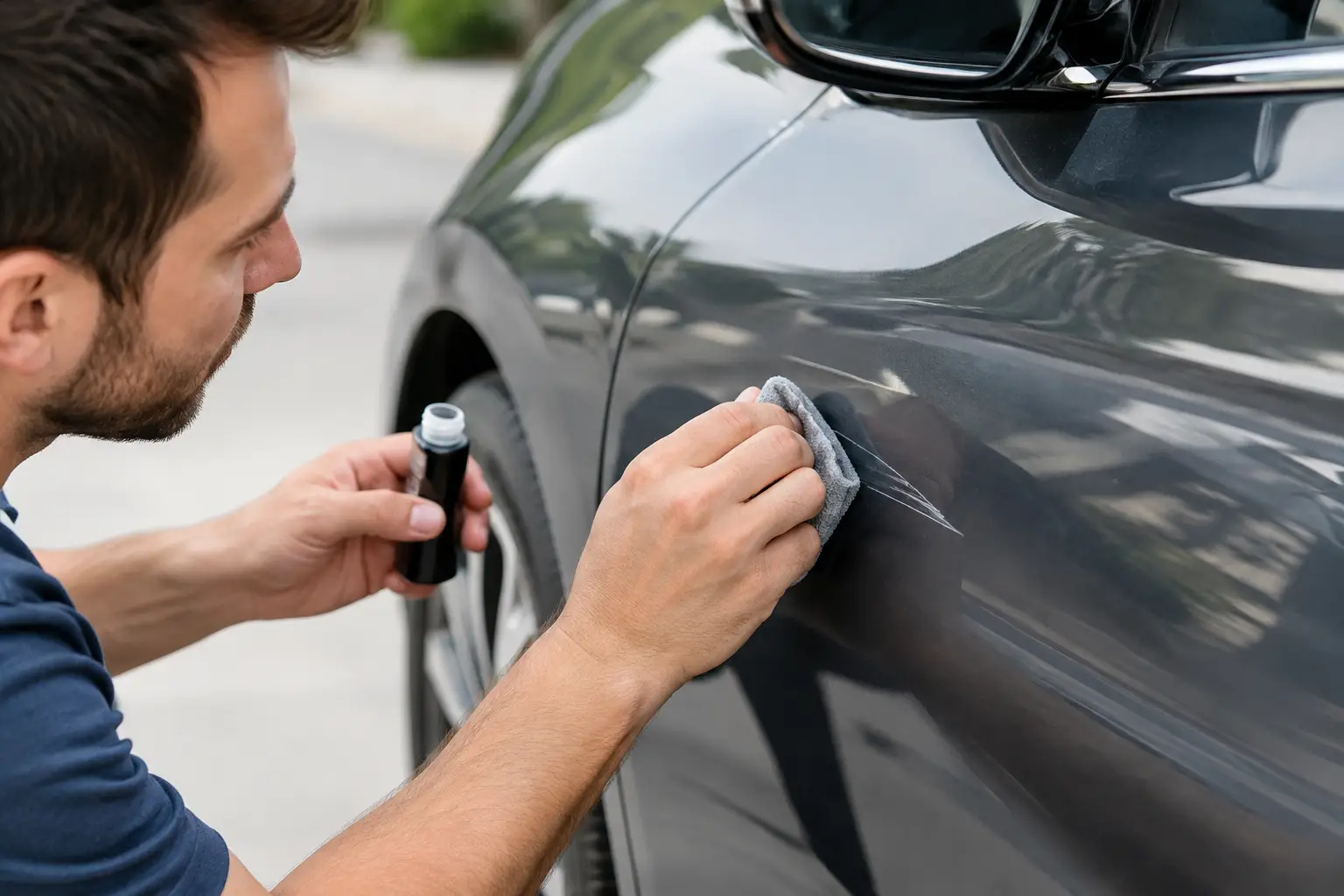
A do-it-yourself repair can be reasonable for a very small, truly superficial chip on an accessible, non-structural area. For example, catching a fresh stone chip on a hood before corrosion develops may only require careful cleaning and the right touch-up materials.
The trade-off is that rust is easy to underestimate. Home repairs often fail when corrosion beneath the paint is missed, preparation is incomplete, or the repair is applied in poor conditions. Aerosol paint can improve appearance temporarily, but it may not provide the adhesion, protection, or colour match of a professional refinishing process.
Avoid treating DIY work as a solution when there are bubbles around panel edges, flaking metal, holes, soft rocker panels, rust near suspension components, or signs that water is entering the vehicle. Those conditions deserve a proper assessment before more extensive damage develops.
How to slow rust before it starts
Rust prevention is not complicated, but it has to be consistent in Ontario. Wash your vehicle regularly through winter, including the wheel wells and underbody where salt accumulates. A quick rinse after slushy drives can make a meaningful difference, especially when temperatures rise above freezing.
Inspect paint chips, scratches, and dents early. A dent that cracks paint can trap moisture at its edges, while a deep scratch may expose bare steel. Repairing collision damage promptly is not only about appearance. It closes off the path that water and salt use to reach the metal below.
Keep drain channels clear around doors, trunk openings, and sunroof areas if your vehicle has one. Moisture that cannot drain properly can sit in seams and begin corrosion from the inside. Annual rust protection can also be a worthwhile investment, particularly for vehicles driven year-round or kept for the long term.
Pay attention after buying a used vehicle as well. Fresh undercoating or a recently painted lower panel is not automatically a concern, but it should not replace a careful inspection. Look for uneven paint texture, bubbling near wheel arches, damp carpets, peeling seam sealer, and corrosion around jacking points.
Choosing the right repair approach
The right repair is based on the vehicle’s condition, intended lifespan, and where the corrosion is located. A small surface repair on a newer vehicle may be straightforward. An older vehicle with widespread rocker-panel rust may require a discussion about repair scope, cost, safety, and long-term value.
A trustworthy body shop should explain what is visible, what may be hidden, and what the repair is designed to accomplish. That clarity matters because rust repair is not one-size-fits-all. A cosmetic repair can be appropriate in some situations, while a structural area demands a more comprehensive solution.
For Hamilton drivers, ASC Auto Body & Sales brings more than 20 years of precision-focused repair experience to body restoration and refinishing work. An inspection can identify whether rust is still a manageable surface concern or whether the vehicle needs more involved repair to remain protected and road-ready.
A rust spot rarely gets better with another winter. Address it while the metal is still worth saving, and your vehicle will have a far better chance of looking sharp and serving you reliably for years ahead.