



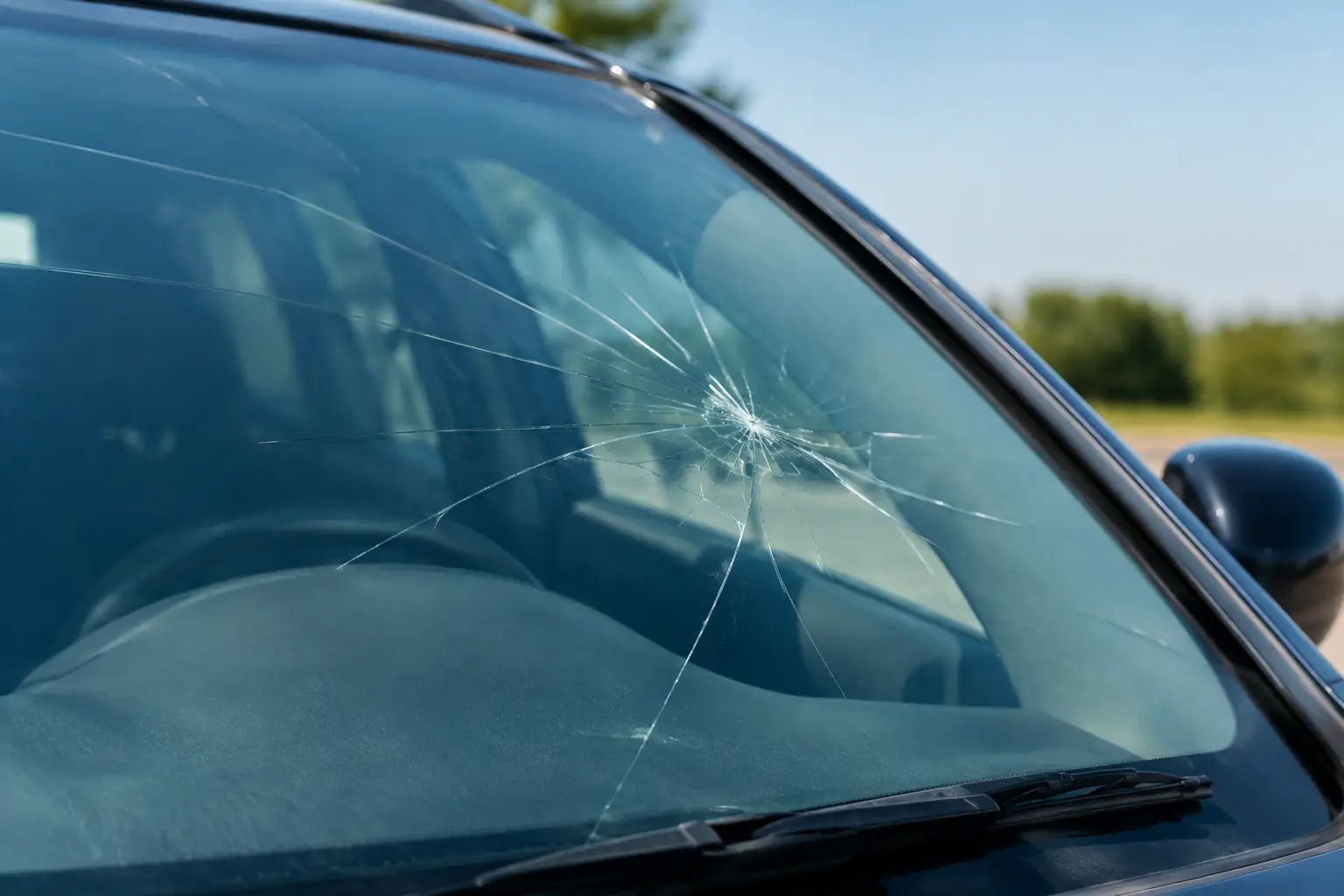
A small windshield crack can look harmless on the drive home, then turn into a long line across the glass after one cold Hamilton night or a pothole hit. So, can a cracked windshield spread? Yes. In many cases, it can spread quickly, and waiting can turn a manageable glass repair into a full windshield replacement.
Windshield damage is more than a cosmetic concern. Your windshield supports clear vision, helps protect the cabin in a collision, and contributes to the roof structure of many modern vehicles. The right next step depends on the crack’s size, location, depth, and the vehicle’s safety technology, but prompt professional attention is always the safer choice.
Why a cracked windshield can spread
Auto glass is designed to be strong, but it is under constant stress. A windshield is made from two layers of glass bonded around a plastic interlayer. That construction helps keep broken glass together during an impact, but it does not stop a crack from moving through the outer glass layer.
Temperature changes are one of the biggest reasons cracks grow. When glass warms up, it expands. When it gets cold, it contracts. A windshield that is already damaged can react unevenly to those changes, allowing the crack to travel farther. Ontario weather makes this especially common, with cold mornings, warm defrost settings, rain, and rapid seasonal changes all putting pressure on damaged glass.
Road vibration matters too. Every pothole, rough rail crossing, speed bump, and door slam transfers movement through the vehicle body and windshield. Even normal driving can cause an existing crack to extend. Moisture, dirt, and road salt can also work their way into the damaged area, making a clean repair more difficult.
A crack may spread slowly, or it may lengthen dramatically in a single drive. There is no reliable way to predict exactly when it will happen, which is why a crack should be assessed sooner rather than later.
Can a cracked windshield spread faster in winter?
Yes. Winter conditions can be especially hard on a cracked windshield. The most common trigger is a sudden temperature difference between the inside and outside of the glass. For example, blasting a very hot defroster onto an ice-cold windshield can place extra stress around a chip or crack.
That does not mean you should drive without clearing your windshield. Safe visibility always comes first. Instead, start the vehicle and allow the cabin and glass to warm gradually when possible. Use a quality ice scraper rather than striking the glass, and avoid pouring hot water on a frozen windshield. Hot water can create a sharp temperature shock, and it may refreeze on the glass or surrounding surfaces.
Summer heat can create problems as well. A vehicle parked in direct sun may have a very hot windshield, while air conditioning cools the interior side of the glass. The temperature difference is not always as severe as a Canadian winter morning, but it can still encourage a damaged area to move.
When a windshield crack may be repairable
Some damage can be repaired effectively, particularly when it is caught early. A trained technician will look at more than the visible length of the crack. They will consider its type, whether it reaches the edge of the windshield, how deeply it penetrates, and whether contaminants have entered the break.
Small chips and short cracks located away from the driver’s primary viewing area are often better candidates for repair. A proper repair injects resin into the damaged section to stabilize the glass and improve its appearance. The goal is to stop the damage from spreading and restore the glass as much as possible, not necessarily make every mark disappear completely.
Repair can be a practical option because it is usually quicker and less costly than replacement. However, there are limits. A repair may not be appropriate if the crack is long, branching, heavily contaminated, at the edge of the windshield, or directly in a critical line of sight. The windshield may also need replacement if damage reaches the inner layer of glass or compromises a mounting area.
When replacement is the better safety decision
Replacement is often the right answer when the crack has spread across a significant part of the windshield or affects visibility. Cracks that reach the windshield edge deserve particular attention because the edge is a high-stress area. Damage there can weaken the glass more quickly than a small central chip.
A replacement may also be necessary for vehicles equipped with advanced driver-assistance systems. Many newer vehicles have cameras or sensors positioned near the windshield for features such as lane-departure warnings, forward-collision alerts, automatic emergency braking, and adaptive high beams. If the windshield is replaced, the camera system may require calibration so those features continue to operate accurately.
This is one area where cutting corners can create a real trade-off. Choosing the lowest-cost option without considering glass quality, proper installation, and required calibration may affect vehicle safety systems. A professional assessment helps ensure the repair plan matches the vehicle, the damage, and the way you use it every day.
What to do while you wait for service
If you cannot have the windshield inspected immediately, treat the damage carefully. Do not apply household glue, tape directly over the crack, or a do-it-yourself filler unless you fully understand its limitations. Improper materials can trap dirt and moisture or interfere with a later professional repair.
Until the vehicle is booked in, take a few sensible precautions:
- Avoid slamming doors, driving aggressively over potholes, and following large trucks too closely.
- Keep the damaged area clean and dry, especially if it is a fresh chip or short crack.
- Warm and cool the cabin gradually instead of directing extreme heat or cold at the damaged glass.
- Do not drive if the crack obstructs your vision or makes it difficult to see traffic, pedestrians, or road conditions clearly.
These steps may reduce additional stress, but they are not a repair. A crack can still spread despite careful driving.
Why windshield condition matters after a collision
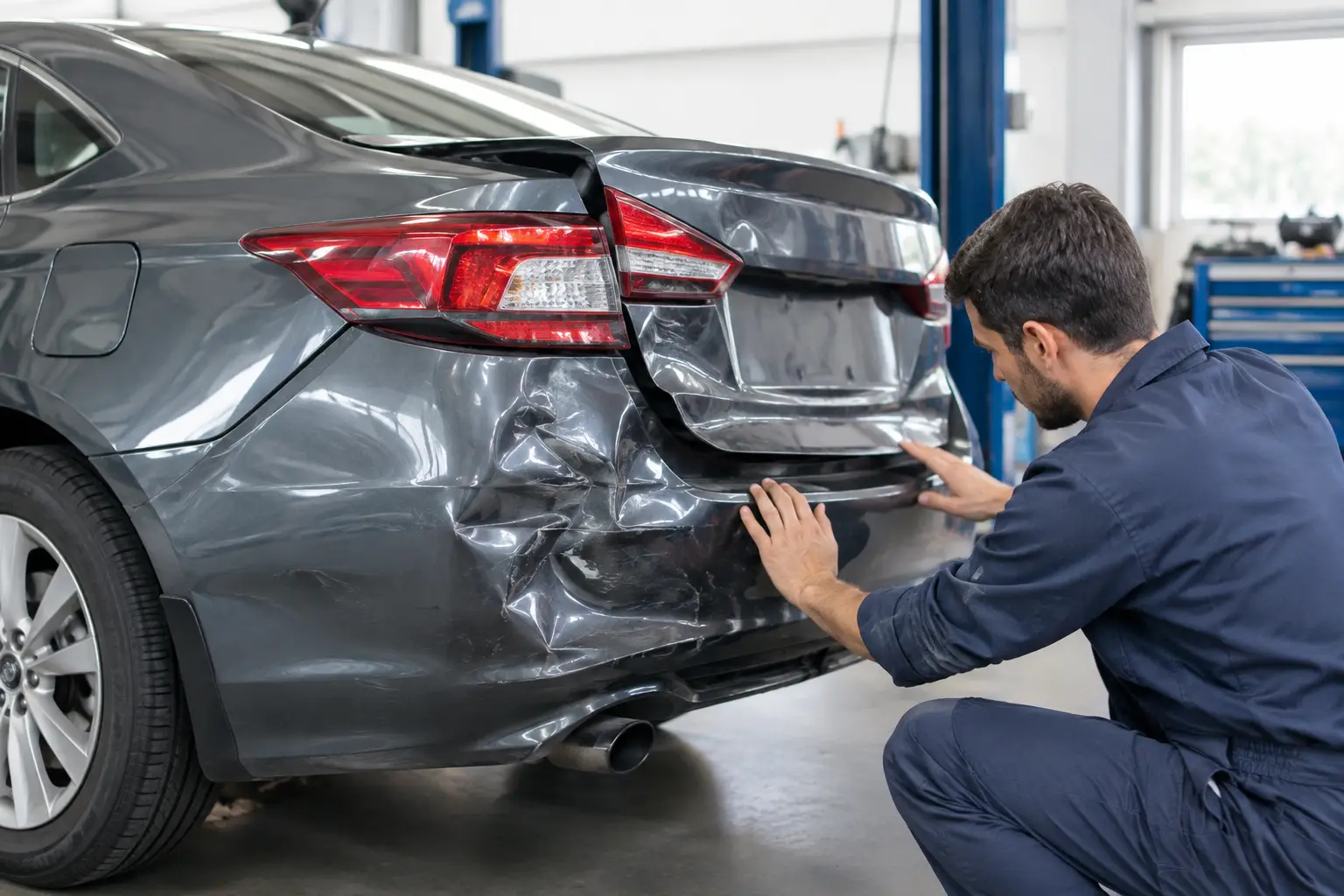
After an accident, windshield damage may not always be obvious. A crack can start from body flex, even if the impact occurred away from the front glass. Small chips can also be hidden near mouldings or at the edge of the windshield. If your vehicle has been in a collision, it is wise to have the glass checked as part of the overall repair assessment.
A properly installed windshield is part of a vehicle’s safety structure. In many vehicles, it helps support the roof during a rollover and provides a surface that allows passenger-side airbags to deploy as designed. This is why collision repair, glass replacement, and related structural work should be handled with precision rather than treated as separate cosmetic issues.
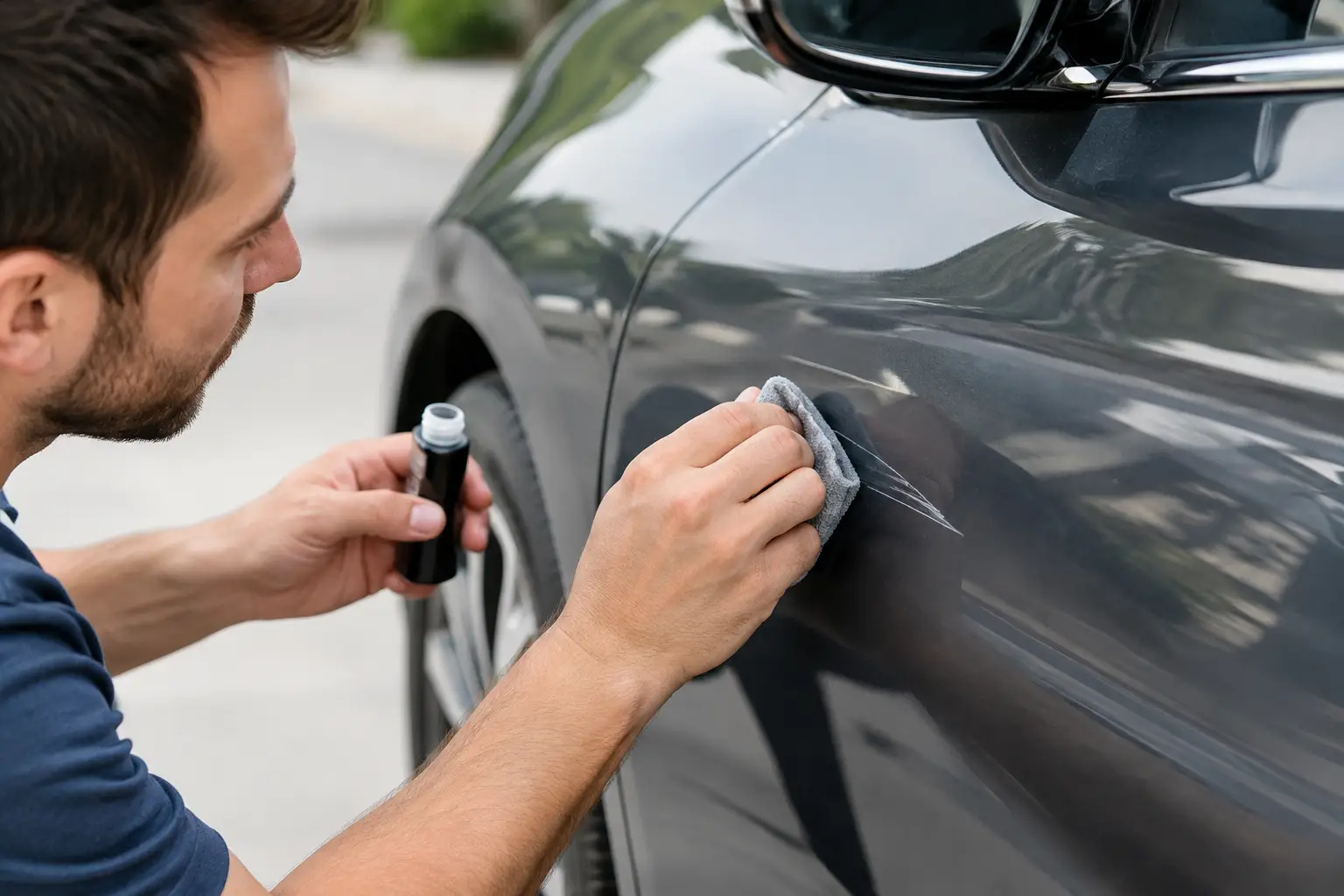
For Hamilton drivers, that also means considering the full picture after a collision: visible dents and scratches, alignment concerns, damaged lights, sensor operation, and windshield condition. Addressing these concerns together can prevent a small overlooked issue from becoming a larger repair later.
How quickly should you fix a cracked windshield?
The best answer is as soon as practical, especially if the crack is growing, sits in your line of sight, reaches an edge, or appeared after a collision. Waiting rarely improves the situation. It simply gives weather, vibration, and road debris more opportunities to make repair less likely.
If the damage is a tiny chip and your visibility is clear, you may have a short window to arrange an inspection. Even then, act promptly. A chip that could have been stabilized in a straightforward appointment can become a replacement job after a cold night, a car wash, or one rough stretch of road.
ASC Auto Body & Sales brings more than 20 years of Hamilton-area repair experience to the complete condition of your vehicle, from collision repair and refinishing to glass concerns and mechanical service. A professional assessment can clarify whether your windshield can be repaired safely or whether replacement is the better long-term choice.
A clear, secure windshield gives you more than a better view of the road. It gives you confidence every time you pull out of the driveway, merge onto the highway, or carry the people who depend on you. If you notice a new chip or crack, arrange an inspection before the next temperature swing makes the decision for you.