
A van that will not start at 7 a.m. is not just a vehicle problem. It can mean missed deliveries, rescheduled service calls, frustrated customers, and a day of lost revenue. Professional commercial van repair keeps the vehicle that supports your business safe, presentable, and ready to earn its keep.
For Hamilton businesses, vans work through stop-and-go traffic, heavy payloads, winter salt, changing temperatures, and long days on the road. Those conditions place real strain on brakes, suspension, tires, cooling systems, electrical components, and body panels. A repair plan built around early attention is usually faster and more cost-effective than waiting for a small concern to become a roadside breakdown.
Why Commercial Van Repair Needs a Different Approach
A work van is often driven harder than a personal vehicle. It may carry tools, inventory, equipment, ladders, or materials every day. That extra weight affects stopping distance, tire wear, wheel alignment, suspension performance, and fuel consumption. Even a minor mechanical issue can become more serious when the vehicle is under load.
Appearance matters, too. A dented door, peeling paint, cracked windshield, or damaged bumper affects more than first impressions. It can expose metal to moisture and corrosion, interfere with visibility, compromise a door seal, or create a safety concern. For a business that arrives at customers’ homes or job sites, a clean, well-maintained van sends a clear message about the standard of work behind it.
The right repair facility looks at the whole picture. Mechanical performance, collision damage, paint condition, glass, and regular maintenance are connected parts of keeping a commercial vehicle on the road. Handling them with experienced technicians and a clear repair plan reduces the chances of repeating the same problem weeks later.
Warning Signs Your Van Should Not Ignore
Drivers are usually the first to notice when a van feels different. A steering wheel that pulls, a longer brake pedal, vibration at highway speed, warning lights, or a change in fuel use deserves attention. Waiting until the next scheduled service is not always the best choice, particularly when the van carries a full load or operates daily.
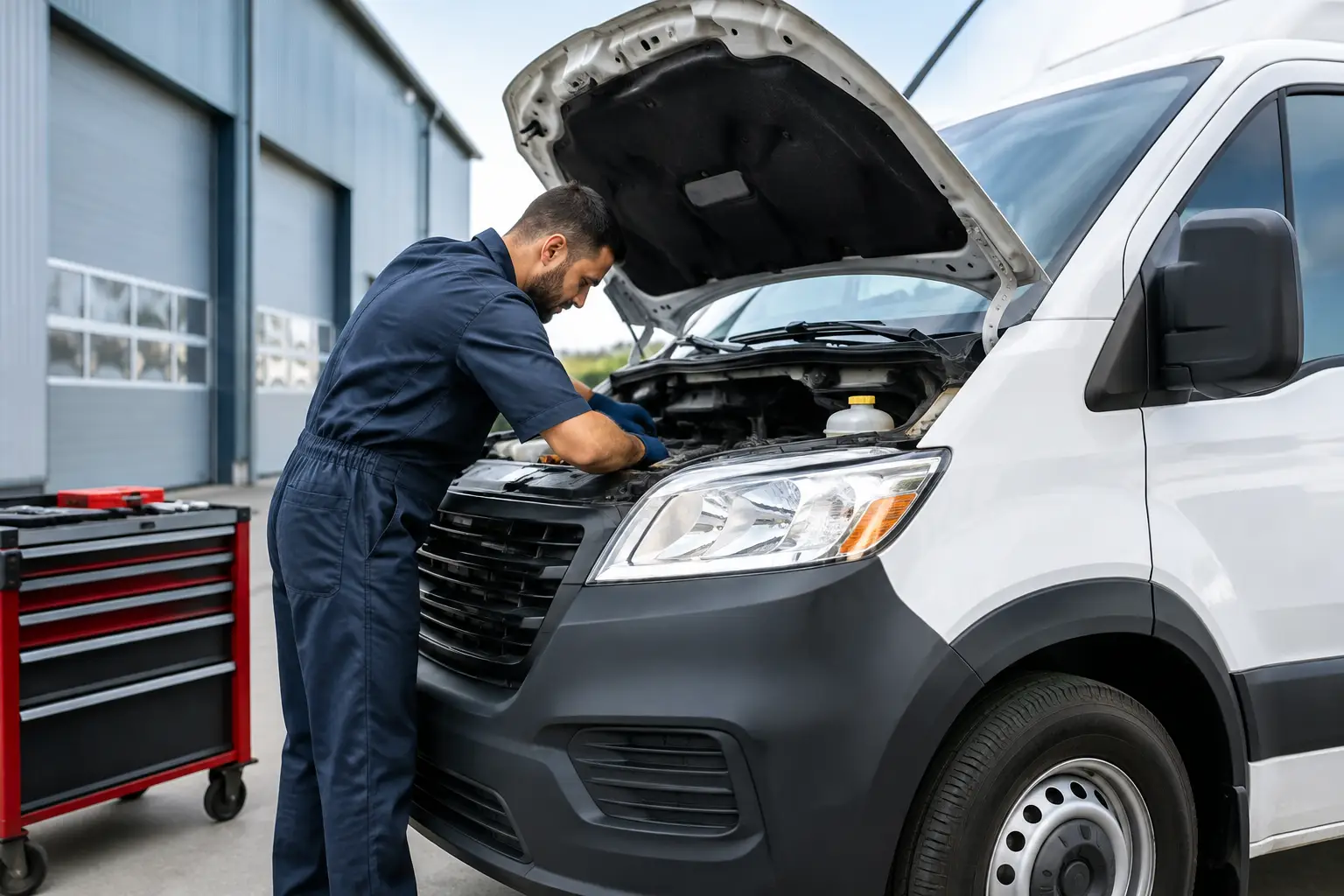
Arrange an inspection promptly if you notice four common issues: braking noises or reduced stopping confidence, fluid spots beneath the vehicle, overheating or a persistent coolant smell, and difficulty starting or charging electrical equipment. These symptoms do not always point to the same repair, which is why proper diagnostics matter. Replacing a part based on a guess can cost more than identifying the root cause first.
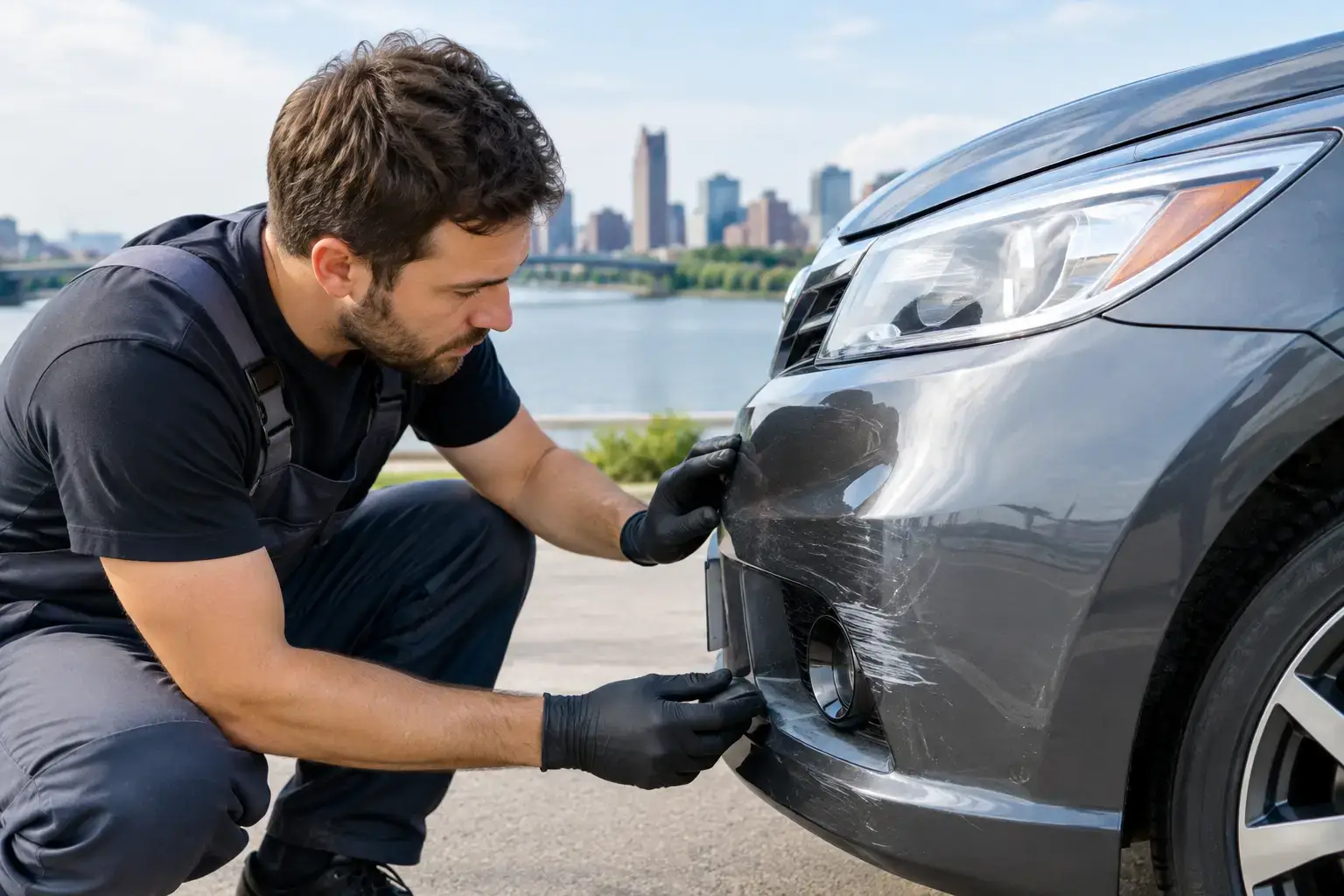
Body damage should be assessed quickly as well. A seemingly small impact can affect bumper mounts, lights, sensors, wheel alignment, or panels around a sliding door. If the door no longer opens smoothly or seals properly, water intrusion and further damage can follow. After a collision, a professional assessment helps determine what is visible and what may be hidden behind the exterior panel.
Brakes, Tires, and Suspension Carry the Load
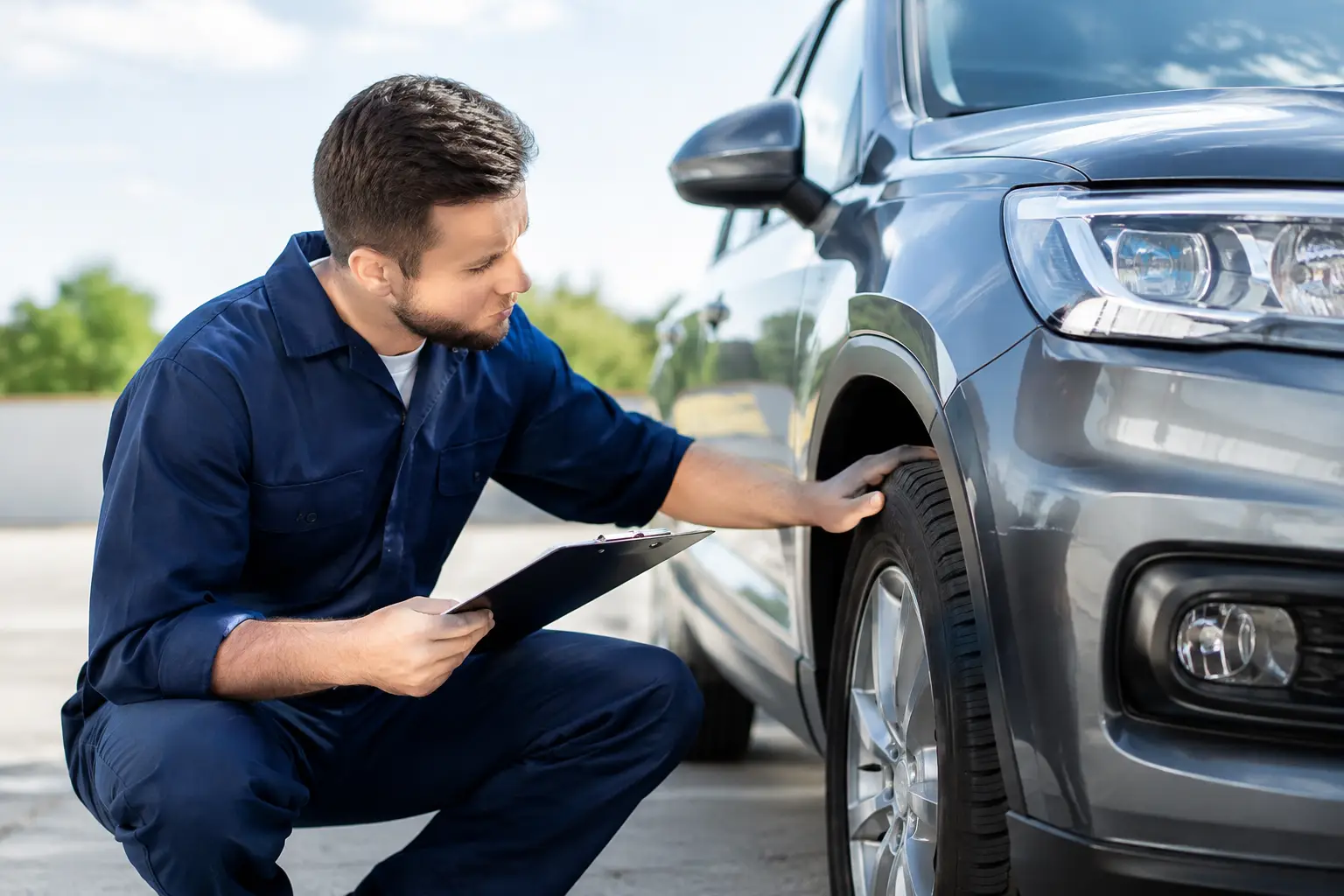
Commercial vans put added pressure on the components that control and support the vehicle. Brake pads and rotors wear at different rates depending on payload, route type, driver habits, and how often the van stops. Tires can show uneven wear when alignment, suspension parts, or inflation levels are off.
There is no single replacement interval that suits every van. A lightly used vehicle on highway routes may have different needs than a contractor’s van making frequent city stops with a full cargo area. Regular brake service, tire rotation, alignment checks, and suspension inspections give a clearer view of actual condition than relying on a calendar alone.
Electrical and Diagnostic Issues Can Halt the Day
Modern vans depend on electrical systems for starting, charging, lighting, safety features, and engine management. A weak battery, worn alternator, corroded connection, or intermittent sensor can create unpredictable problems. One day the van starts normally; the next, it will not move from the driveway.
An engine light is not a diagnosis by itself. It is a signal that the vehicle needs knowledgeable testing. Professional engine diagnostics identify fault codes, but experienced technicians also consider symptoms, vehicle history, wiring condition, and system performance before recommending repairs. That approach helps avoid replacing good components and gives business owners a more reliable path forward.
A Maintenance Plan That Protects Uptime
Preventive maintenance is one of the strongest tools a fleet owner or independent operator has. Oil changes, fluid checks, filters, tire service, brake inspections, and seasonal assessments may feel routine, but they help catch concerns while repair options are simpler.
The most useful plan is based on how the van is actually used. Track kilometres, hours of operation, typical loads, towing demands, routes, and recurring driver comments. A vehicle that idles for long periods or spends its day in city traffic may need attention sooner than one used mostly for open-road travel. The owner’s manual remains an important starting point, while real-world operating conditions help refine the schedule.
Keep service records for each vehicle, including inspections, repairs, tire changes, and collision work. Good records make it easier to see patterns, plan downtime, support warranty discussions where applicable, and make informed decisions as the van ages. They also help a repair shop understand what has already been checked instead of starting from scratch.
When Collision Damage Meets Mechanical Repair
After an accident, it is tempting to focus only on the visible scrape or dent. Yet a low-speed impact can affect components that influence safe operation. A front-end collision may involve the bumper, grille, headlight mounts, cooling components, wheel alignment, or sensors. A side impact can affect door operation, glass, mirrors, and body structure.
This is where a facility with collision, refinishing, glass, and mechanical capability provides practical value. The repair process can address the condition of the body and paint while also checking the systems that help the van drive, stop, steer, and see properly. For insured repairs, clear documentation and a thorough estimate also help keep the claims process more organized.
Not every cosmetic mark requires the same solution. Paintless dent repair may be suitable in some cases, while deeper damage may require panel repair, replacement, refinishing, or corrosion treatment. The right choice depends on the panel material, paint damage, location of the dent, and the condition of the area behind it. Quality repair is about restoring the correct fit, finish, and protection – not simply making damage less noticeable.
Choosing a Repair Partner for a Working Van
Speed matters when a vehicle earns its place in your business, but rushed work is rarely good value. Look for a shop that communicates clearly about the inspection findings, repair priorities, parts options, expected timing, and any concerns discovered during the work. A transparent conversation allows you to make decisions based on safety, budget, and operational needs.
Experience across both mechanical and body repair is especially useful for commercial vehicles. ASC Auto Body & Sales brings more than two decades of Hamilton service to collision repair, refinishing, glass replacement, diagnostics, maintenance, brakes, and other mechanical work. That broad capability helps businesses address everyday upkeep and unexpected damage with one trusted local team.
It is also worth planning repairs around your work schedule when possible. Booking routine service before a busy season, rotating vehicles through maintenance, and addressing minor damage early can reduce unplanned downtime. For a single-van business, that planning can be the difference between a manageable appointment and a cancelled week of work.
Keep the Van Ready for Its Next Shift
A dependable commercial van does not happen by accident. It comes from attentive drivers, sensible maintenance intervals, accurate diagnostics, and repairs completed to a high standard. When a warning light appears, braking changes, a door is damaged, or the vehicle has been in a collision, acting early protects both the van and the people who depend on it.
Give your work vehicle the same care you expect it to deliver to your customers. A timely inspection today can help ensure it is ready for the next delivery, service call, job site, and season ahead.