


A windshield is not simply a clear panel between you and the road. It supports the roof structure, helps airbags deploy as designed, and provides a clear view in Hamilton traffic, rain, snow, and changing temperatures. When you need to choose replacement windshield glass, the right decision comes down to more than finding the lowest price. The glass must fit your vehicle precisely, meet applicable safety requirements, and work properly with the systems built into your vehicle.
Start With the Damage and Your Vehicle’s Equipment
A small stone chip is not always a reason to replace a windshield. If the damage is small, outside the driver’s direct line of sight, and has not spread to the edge of the glass, a professional repair may restore its strength and prevent further cracking. Repair is often quicker and can preserve the original factory windshield.
Replacement is generally the better choice when there is a long crack, damage at the edge, multiple chips, deep pitting, or a crack that obstructs your view. Windshield damage can spread quickly during Ontario temperature swings, especially when defrost heat meets a cold windshield. A crack that seems manageable in the morning can become a larger safety concern after one drive.
Before approving replacement, identify the equipment attached to or viewed through the windshield. Modern vehicles may have a rain sensor, heated wiper park area, heads-up display, acoustic glass, antenna elements, humidity sensor, or camera for advanced driver-assistance systems. A windshield that looks similar may not have the correct mounting bracket, shading, heating element, or optical properties for your exact trim level.
How to Choose Replacement Windshield Glass
The best replacement glass is the one that matches your vehicle’s required specifications and is installed correctly. There are several good options, but they are not identical.
OEM glass versus quality aftermarket glass
OEM, or original equipment manufacturer, glass is made to the vehicle manufacturer’s specifications and is typically branded for that vehicle make. It is often the closest match to the windshield installed at the factory. For vehicles with complex cameras, heads-up displays, specialized acoustic layers, or premium trim, OEM glass can offer added confidence that every feature will align as intended.
Quality aftermarket glass, sometimes called OEE glass, is produced for the replacement market and can be a sensible, reliable choice for many vehicles. A reputable option should meet the relevant automotive safety standards and be manufactured for your vehicle’s precise year, make, model, and body style. It can also be more cost-effective, particularly when insurance coverage or budget is a major consideration.
The trade-off depends on the vehicle and its equipment. Not every vehicle needs OEM glass to achieve a safe, high-quality repair. On the other hand, choosing the cheapest unverified glass for a camera-equipped vehicle can create fitment, distortion, noise, or calibration problems that cost more to correct later. Ask the repair facility what glass is being quoted, why it is suitable for your vehicle, and whether all original features will be retained.
Confirm the safety markings and optical quality
Automotive windshield glass is laminated: two layers of glass are bonded around a durable plastic interlayer. This construction helps the windshield remain together in an impact instead of breaking into loose shards. The replacement glass should carry appropriate automotive glazing markings and meet the safety requirements applicable to your vehicle.
Look beyond the label, too. Optical clarity matters. Poor-quality glass may create waviness, reflections, or visual distortion, especially near the edges. You may notice it when looking at lane markings, streetlights, or vehicles at night. A windshield should provide a clear, natural view without pulling your eye toward ripples in the glass.
Acoustic glass is another consideration. Many newer vehicles use a special laminated windshield to reduce wind and road noise in the cabin. If quiet highway driving matters to you, confirm whether the replacement retains that acoustic feature. The same applies to solar tint bands, heating elements, and built-in antennas.
Match every feature, not just the shape
Vehicle identification numbers help a shop source the right windshield, but the VIN alone may not identify every option. A technician should also inspect the damaged glass and verify the vehicle’s installed features. Details such as a forward-facing camera bracket or a heads-up display area can change the correct part selection.
This is especially relevant for vehicles that share a body shape across several trim packages. Two windshields may fit the opening, yet only one is designed for the sensors or display system in your vehicle. Proper parts matching protects both your driving visibility and the technology you rely on every day.
ADAS Calibration Is Part of the Repair
If your vehicle has lane departure warning, lane-keeping assistance, forward collision warning, automatic emergency braking, or adaptive cruise functions, it may use a camera mounted near the rear-view mirror. Removing and replacing the windshield can affect that camera’s position and field of view.
Calibration verifies that the camera and related systems recognize road markings, vehicles, and distances accurately after the new glass is installed. Depending on the vehicle, this may require a static calibration with targets in a controlled setting, a dynamic calibration performed during a road drive, or both. The exact process is determined by the vehicle manufacturer’s procedure.
Do not assume that a dashboard warning light is the only sign calibration is needed. Some systems may appear normal but still require recalibration after windshield replacement. Ask whether your vehicle requires ADAS calibration, whether it is included in the estimate, and whether you will receive confirmation that the procedure was completed successfully.
A professional repair facility should also check for diagnostic fault codes and confirm that cameras, rain sensors, heated features, and other windshield-related components are operating correctly before returning the vehicle. At ASC Auto Body & Sales, this attention to precision helps ensure a glass repair supports safe, dependable road performance, not simply a clean appearance.
The Installation Is as Important as the Glass
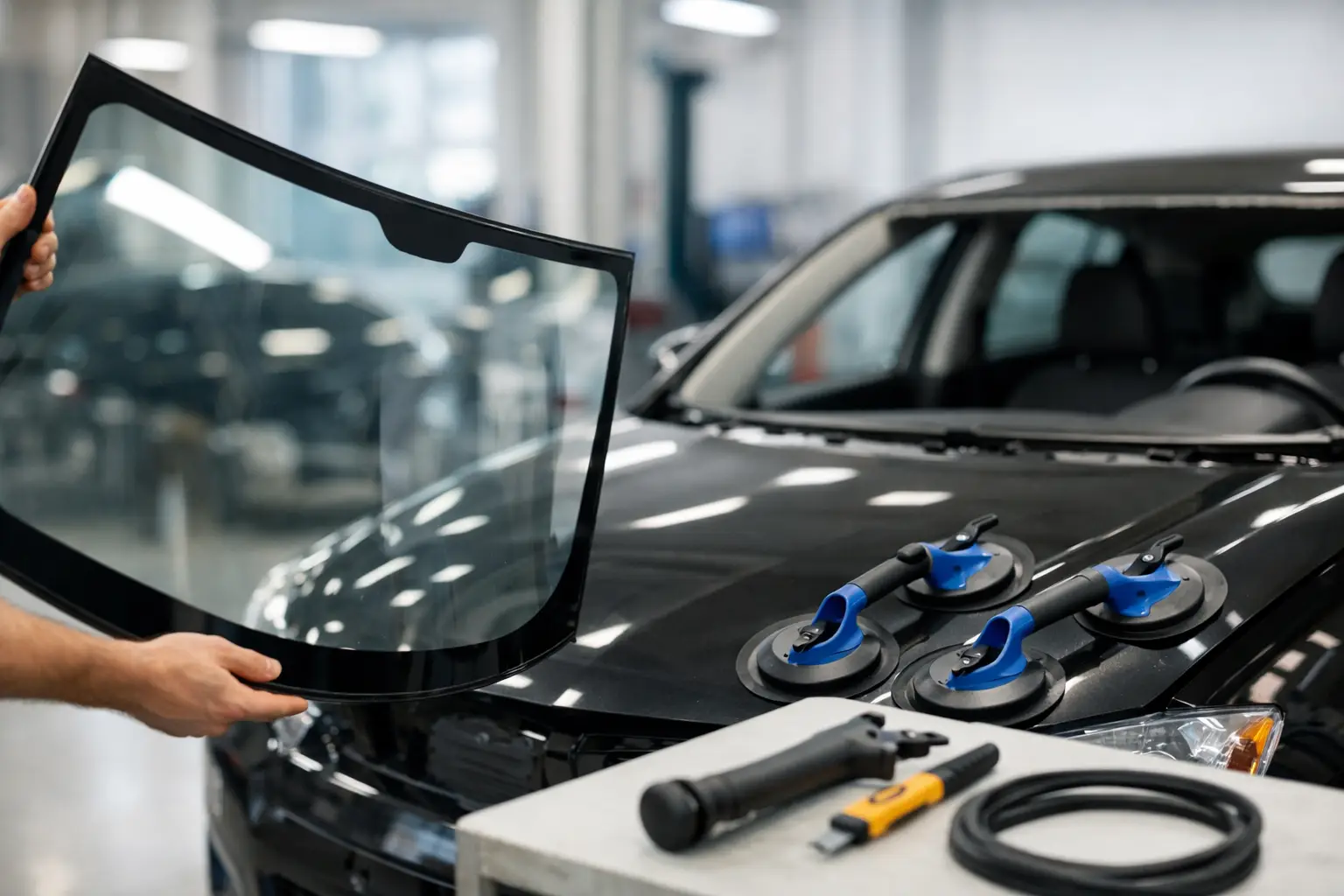
Even excellent windshield glass cannot perform properly if installation is rushed. The installer must remove the damaged windshield without harming the surrounding bodywork, inspect the pinch weld area, and address corrosion or damage before fitting the replacement. Rust beneath the glass can compromise adhesion and may need repair before a new windshield is installed.
The correct urethane adhesive is essential. It must be applied to a properly prepared surface and allowed to cure for the required safe drive-away time. That time varies based on the adhesive, temperature, humidity, and vehicle design. In colder weather, curing can take longer. A reputable shop will tell you when the vehicle can safely be driven and will not rush the handover.
After installation, the windshield should sit evenly against the body with properly fitted mouldings and trim. The shop should check for water leaks, wind noise, loose clips, sensor concerns, and visible adhesive. If you notice moisture around the windshield, unusual wind noise, or an ADAS warning after replacement, arrange an inspection promptly rather than waiting for the issue to worsen.
Consider Insurance, Cost, and Long-Term Value
Comprehensive insurance coverage may help pay for windshield repair or replacement, subject to your policy and deductible. Some policies treat stone-chip repair differently from full replacement, so it is worth confirming your coverage before deciding. A professional shop can help document the damage and explain the repair estimate, though your insurer ultimately determines coverage.
A lower quote may be appropriate when it includes quality glass that matches a simpler vehicle specification. Be cautious when the quote is low because it excludes mouldings, corrosion preparation, sensor transfer, calibration, taxes, or the correct adhesive process. Comparing estimates fairly means comparing the complete scope of work, not just the price of the glass panel.
Choose a shop that is willing to explain the part being installed, the safety steps involved, and the expected timeline. You should leave with clear visibility, working vehicle technology, and confidence that the replacement supports the protection your vehicle was designed to provide.
If a chip or crack is growing, book an inspection before weather, vibration, or daily driving turns a manageable concern into a more extensive repair. A careful assessment now can help keep your vehicle safe, clear, and ready for the road ahead.