




A small chip can look harmless when you first spot it in the driveway. Then a cold Hamilton morning, a pothole, or a blast of defroster air turns that tiny mark into a crack across your line of sight. Knowing the windshield damage warning signs early gives you more repair options and helps protect the safety systems built around your vehicle’s glass.
Your windshield does far more than block wind, rain, and road debris. It contributes to the structure of the passenger compartment, supports airbag deployment in many vehicles, and provides a clear surface for cameras and driver-assistance features. Prompt attention is not about appearance alone. It is about keeping your vehicle safe, road-ready, and easier to repair.
Windshield Damage Warning Signs That Need Attention
The most obvious sign is a chip, crack, or star-shaped impact mark. But the size, location, depth, and direction of the damage all matter. A small chip in an outer area of the windshield may be repairable, while similar-looking damage directly in front of the driver can require replacement because even a quality repair can leave slight visual distortion.
A crack that is growing is a clear signal to book an inspection. Cracks often spread after temperature changes, vibration from uneven roads, or pressure on the glass when doors are closed. What begins as a short line can extend quickly, particularly during Ontario’s cold months when glass contracts and warms unevenly.
Pay attention to marks near the edge of the windshield. Damage around the perimeter can weaken the glass where it is bonded to the vehicle frame. Edge cracks are more likely to spread and may affect structural strength, so they deserve professional assessment without delay.
You should also watch for multiple chips or pitting. Fine pits are commonly caused by years of sand, salt, and road debris striking the glass. Individually, they may seem minor. Together, they can scatter headlights and sunlight, creating glare that makes night driving or low winter sun more tiring and less safe.
When Visibility Becomes the Real Problem
Not all windshield concerns start with a fresh impact. Sometimes the warning sign is what you see through the glass.
If oncoming headlights create halos, streaks, or a hazy glare even after cleaning the windshield, the glass may be heavily pitted or scratched. Wiper blades can also leave fine arcs across the surface when they are worn, contaminated, or used over dry, gritty glass. These marks may be difficult to notice in daylight but become very apparent in rain or darkness.
Distortion is another concern. If straight road lines appear bent, wavy, or uneven through an area of the windshield, do not ignore it. Distortion can result from damage, previous poor-quality glass work, or deterioration in the laminated layers of the windshield. Your eyes work harder to compensate, especially during longer commutes.
A cloudy, milky, or discoloured patch between the layers of glass is also worth checking. Modern windshields are laminated, with a plastic interlayer between two layers of glass. When that bond begins to fail, visibility and glass performance can be affected. This is not something a surface cleaner or DIY product will correct.
Water, Wind Noise, and Loose Trim
A windshield does not need a visible crack to have a problem. Water entering around the top corners, along the dashboard, or near the A-pillars may point to a failed seal, corrosion around the frame, or poor installation from an earlier replacement.
A musty odour, damp carpet, foggy windows that take longer than usual to clear, or unexplained moisture in the cabin can all be related to a water leak. Left alone, moisture can damage interior trim, electrical connectors, and sensors. It can also encourage corrosion in areas that are difficult to see.
Increased wind noise at highway speeds is another warning sign. A whistling sound around the windshield may mean moulding is loose or the glass is no longer sitting correctly in its bonded position. While wind noise does not always mean the windshield is unsafe, it should be inspected rather than masked by turning up the radio.
Look closely at exterior mouldings and trim as well. Gaps, lifting edges, loose pieces, or trim that has changed shape can allow water and debris into areas where they do not belong. These issues can be particularly noticeable after collision work, a previous glass replacement, or winter freeze-thaw cycles.
Why Temperature Changes Make Damage Worse
Hamilton drivers see rapid shifts in weather through the year, and windshield glass feels every one of them. A cold windshield exposed to very hot defroster air can experience sudden stress. The same can happen when a vehicle sits in direct summer sun after a cool night.
That does not mean you should avoid using your defroster. Clear visibility is essential. Instead, start with a lower setting and allow the glass to warm gradually when possible. Avoid pouring hot water on an icy windshield, as the rapid temperature change can cause existing chips and cracks to spread.
Slamming doors can also add pressure inside a tightly sealed vehicle, particularly when windows are closed. If you already have a chip or crack, treat the door gently until the glass has been assessed. These small precautions will not repair the damage, but they can reduce the chance of turning a repairable issue into a replacement job.
Repair or Replacement: What Determines the Right Choice?
A professional inspection is the best way to decide whether a windshield can be repaired. Technicians typically consider the damage type, its diameter and length, whether dirt or moisture has entered the break, and where it sits in relation to the driver’s view and windshield edge.
Small, recent stone chips are often good repair candidates. A proper repair stabilizes the damaged area by filling it with a specialized resin and curing it. The goal is to restore strength and reduce the appearance of the mark, although it may not disappear completely. Waiting too long allows moisture, dust, and washer fluid to enter the break, which can affect the final result.
Replacement is usually the better choice when a crack is long, reaches the edge, sits in a critical viewing area, or involves significant impact damage. Replacement may also be required when the windshield’s laminated layers are compromised or when there are several damaged areas.
For newer vehicles, windshield replacement can involve more than fitting new glass. Forward-facing cameras, rain sensors, lane-support systems, and automatic emergency braking features may rely on precise windshield positioning. These systems may need calibration after replacement so they continue to operate as intended. Choosing experienced technicians and the correct glass specification matters for both fit and vehicle safety.
What Not to Do After You Spot Damage
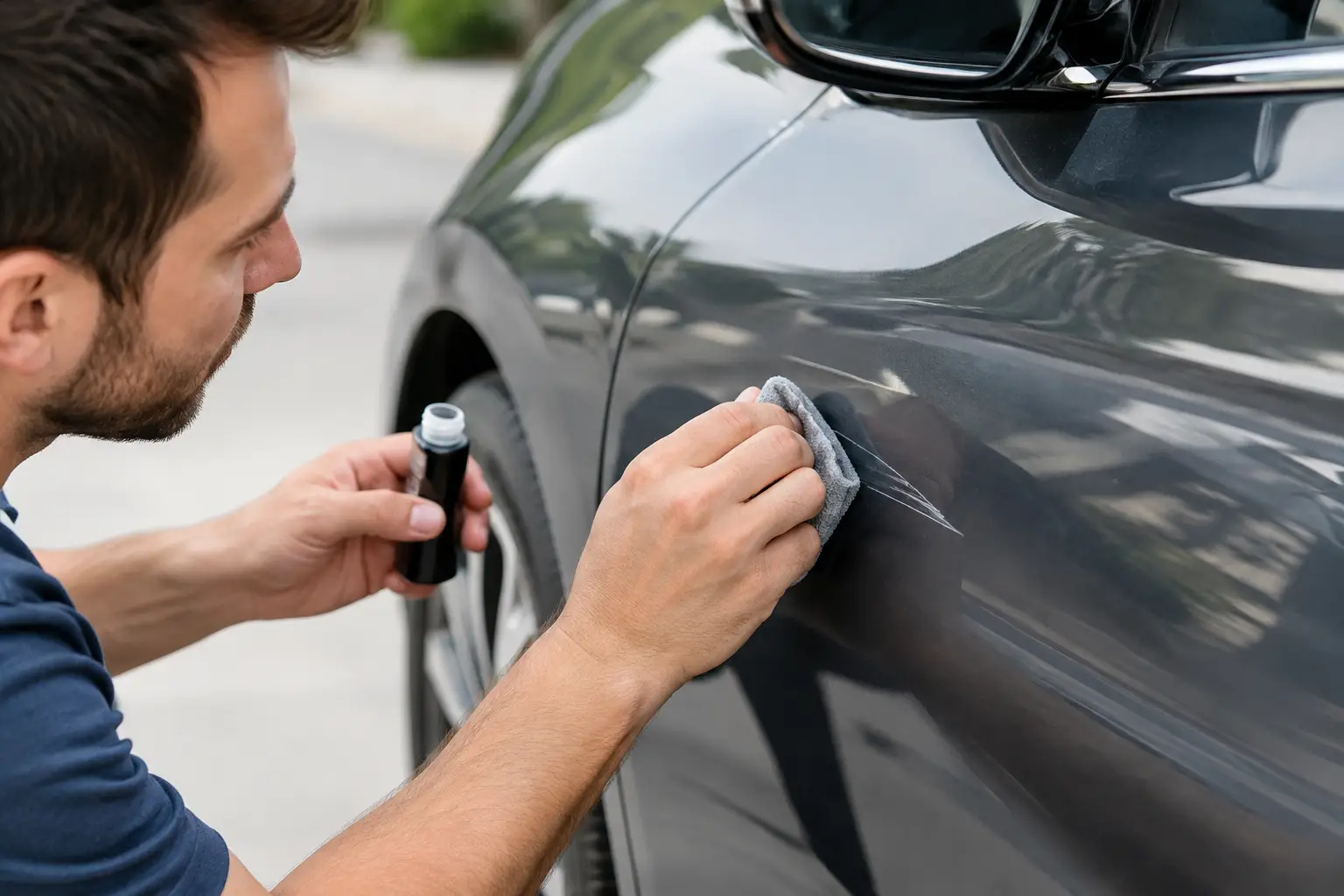
Do not assume tape, nail polish, or a temporary DIY fix is a substitute for an inspection. Clear tape can sometimes keep dirt and water out of a fresh chip until you reach a repair facility, but it is only a short-term protective step. Avoid pressing on the damaged spot or repeatedly scraping around it.
It is also wise to replace worn wiper blades promptly. Damaged blades can drag grit across the glass and worsen scratches, while poor wiping performance leaves visibility compromised during rain or slush. Keep washer fluid topped up with a product suited to Canadian temperatures, and clear snow and ice with appropriate tools rather than striking the glass.
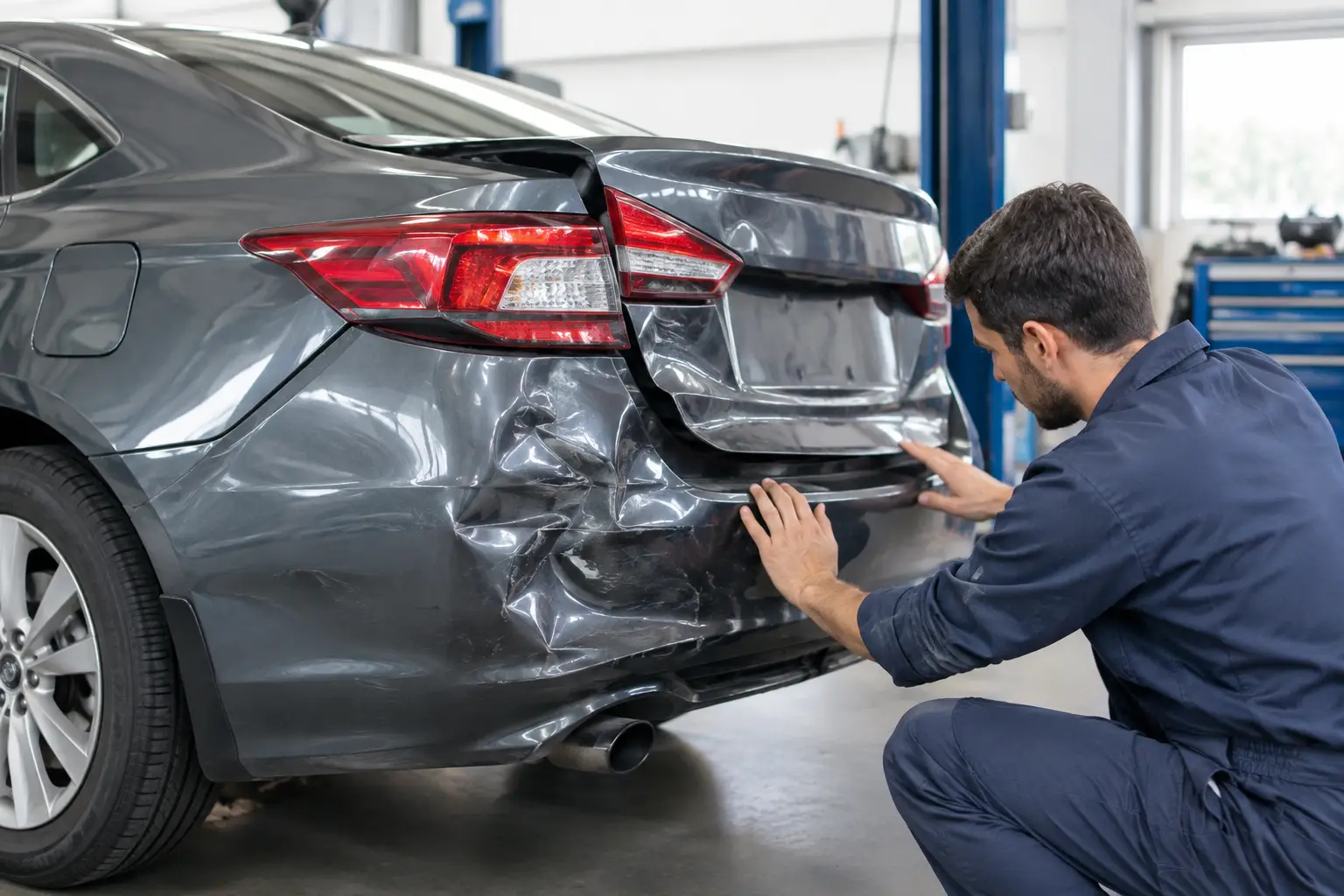
If damage occurred in a collision, do not focus only on the visible crack. The windshield, roofline, pillars, dashboard, and surrounding frame should be checked as part of the overall repair process. Glass damage can be one part of a larger impact that affects alignment, seals, or safety equipment.
A Clear View Is Worth Acting On
Whether you manage a family vehicle, commute across Hamilton, or depend on a work vehicle every day, clear glass gives you more time to see hazards and make confident decisions. A quick assessment of a chip, spreading crack, leak, or visibility issue can prevent greater expense and disruption later.
For careful glass inspection, collision-related assessment, and repair guidance from experienced local technicians, ASC Auto Body & Sales can help determine the right next step for your vehicle. Address the damage while it is still manageable, and give yourself the clear, dependable view the road demands.