A warning light on the dash, brakes that feel different, or damage after a collision all create the same practical question: dealership versus independent mechanic, where should you take your vehicle? The right answer is not always the closest shop or the lowest estimate. It depends on your vehicle, the repair required, your warranty status, and the level of communication you expect before work begins.
For Hamilton drivers, the best choice is the one that restores safe, dependable performance without leaving you uncertain about the work completed. Dealerships and independent repair facilities can both provide excellent service. Their strengths simply tend to be different.
Dealership Versus Independent Mechanic: The Core Difference
A dealership is closely tied to one vehicle manufacturer. Its technicians work primarily with that brand, use manufacturer-specific information and tools, and can complete recall work or warranty repairs authorized by that automaker. For a newer vehicle with a factory warranty, a dealership can be a sensible first call, particularly when a concern may be covered.
An independent mechanic serves owners across many makes and models. A well-equipped independent shop may offer maintenance, diagnostics, brakes, tires, engine repair, transmission work, glass replacement, and collision-related mechanical repairs in one location. That broader approach can be especially valuable for households with different vehicles or local businesses keeping several work vehicles on the road.
Neither option automatically guarantees better workmanship. The real measure is whether the facility has trained technicians, proper diagnostic equipment, clear repair procedures, quality parts options, and the willingness to explain what your vehicle needs and why.
When a Dealership Makes Sense
Dealership service is often the strongest fit when your vehicle is new, under factory warranty, or subject to a manufacturer recall. A recall must be completed through an authorized dealer, and warranty concerns may require dealership inspection before repairs are approved. If your vehicle has a complex manufacturer-specific software issue, the dealer may also have the most direct access to technical bulletins, programming updates, and factory support.
Brand specialization can be useful for unusual concerns. A technician who sees the same vehicle platform every day may recognize a pattern quickly, whether it involves an electronic driver-assistance feature, hybrid system, transmission behaviour, or a model-specific noise.
There are trade-offs. Dealership labour rates and overhead can be higher, and the repair process may be less personal for routine service. An owner with an older vehicle may be offered original equipment parts by default when a reputable aftermarket option would meet the vehicle’s needs and budget. That does not make the recommendation wrong, but it is worth asking about your choices.
Where an Independent Shop Can Add Value
A trusted independent shop is often a practical choice for regular maintenance and repairs after the factory warranty has ended. Oil changes, tire rotations, brake service, suspension repairs, battery replacement, diagnostics, and many engine concerns do not inherently require a dealership visit. What they require is accurate assessment and careful workmanship.
Independent facilities can also offer greater flexibility. You may be able to speak directly with the technician or service advisor who inspected your vehicle, discuss repair priorities, and decide whether a concern needs immediate attention or can be planned for a later appointment. That conversation matters when managing the cost of maintaining an older vehicle.
The best independent shops do not take a one-size-fits-all approach to parts. They explain the difference between original equipment, equivalent-quality aftermarket, remanufactured, and budget alternatives where appropriate. For safety-critical repairs such as brakes, steering, suspension, tires, and structural collision work, quality should lead the discussion. The lowest price is not always the lowest cost if it leads to premature wear, poor fitment, or another repair shortly afterward.
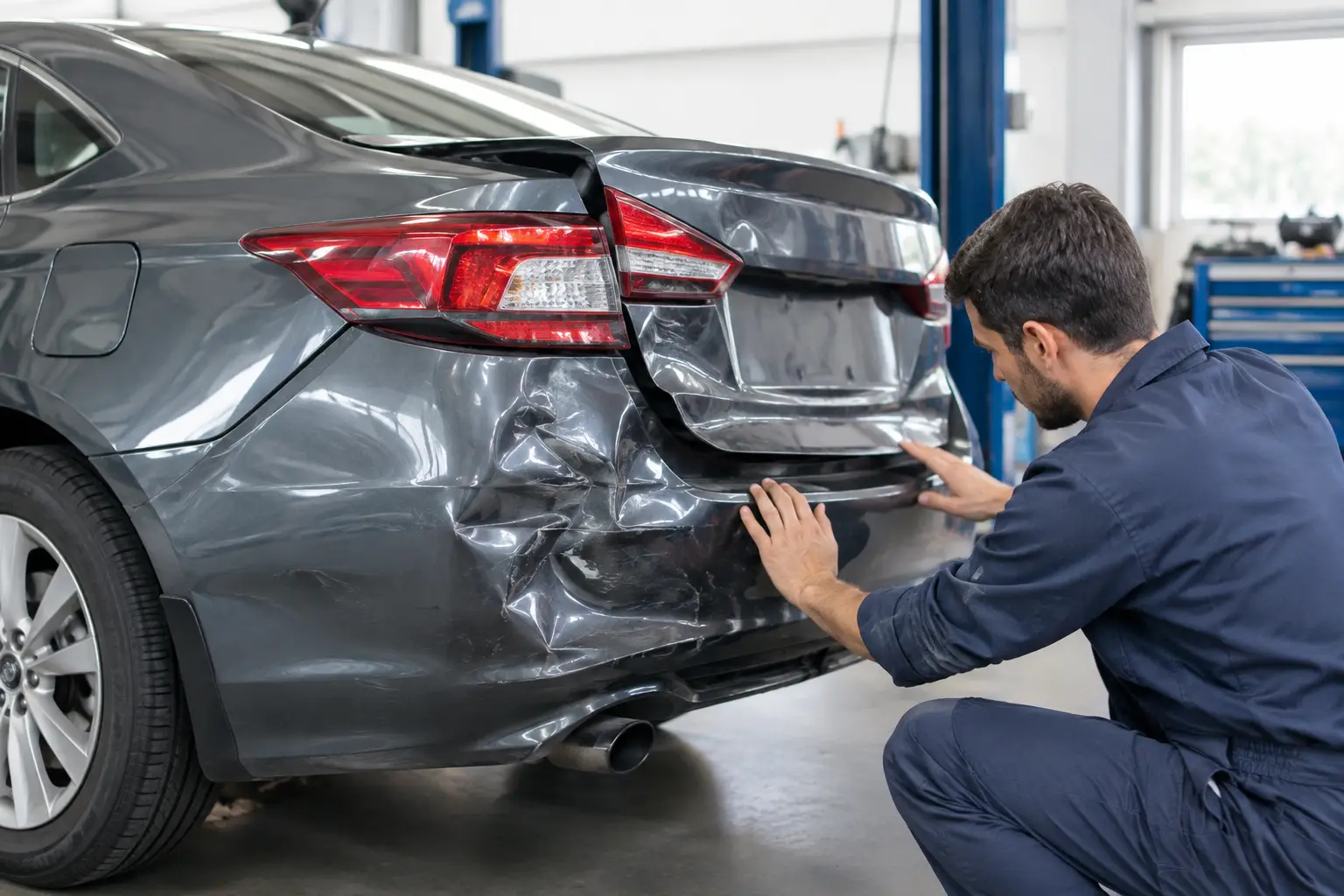
For drivers who need bodywork and mechanical attention after an accident, a full-service local facility can simplify an otherwise stressful process. A collision may leave visible dents, scratches, paint damage, cracked glass, wheel damage, alignment concerns, or warning lights. Addressing appearance and road-ready performance through one experienced team can reduce handoffs between shops and help ensure no related issue is overlooked.
Cost Is More Than the Estimate
It is reasonable to compare prices, but compare like for like. One estimate may include diagnostic time, higher-grade parts, calibration, refinishing materials, or a more complete repair process. Another may appear lower because it omits a necessary procedure or uses a different parts grade. Ask what is included before deciding.
A clear estimate should identify the concern being addressed, the proposed repair, parts and labour, and any diagnostic or calibration work required. If additional damage is found after disassembly, the shop should explain the change and seek your approval where required. That is particularly important after collision damage, where hidden damage behind a bumper cover or panel can affect sensors, brackets, cooling components, or safe alignment.
Cost also includes downtime. A business owner whose van is unavailable, or a family relying on one vehicle for work and school, may place greater value on accurate scheduling, prompt updates, and repairs completed right the first time. A slightly higher repair bill can be worthwhile when it avoids repeat visits and lost time.
Warranty, Maintenance Records, and Your Options
Many drivers assume every service appointment must happen at the dealership to preserve factory warranty coverage. In practice, routine maintenance can often be completed elsewhere when it follows the manufacturer’s requirements and proper records are kept. Because warranty terms differ, confirm the details for your specific vehicle and retain invoices showing the date, mileage, work completed, and parts used.
If you believe a repair should be covered by the manufacturer, start by reviewing your warranty documents and contacting the dealership. For maintenance you are paying for yourself, select the facility that can perform the work correctly and document it clearly.
An independent repair shop should also stand behind its labour and the parts it supplies. Ask about the shop’s warranty before authorizing work, especially on significant repairs. The answer should be direct and written on your estimate or invoice, not vague reassurance at the counter.
Diagnostics Need More Than a Code Reader
Modern vehicles can store dozens of fault codes, but a code is a clue, not always the failed part. Replacing components based only on a scan can become expensive quickly. Proper diagnostics involve testing, inspecting related systems, confirming the cause, and verifying the repair.
This is one area where choosing on price alone can create frustration. A shop that invests time in diagnosis may initially charge more than one that simply suggests a part replacement. Yet a precise diagnosis can prevent unnecessary work and return your vehicle to reliable operation sooner.
The same principle applies to collision repairs on newer vehicles. Cameras, radar sensors, parking sensors, lane-support systems, and electronic safety features may require inspection, alignment, calibration, or verification after a repair. Ask how the shop addresses these systems. Your vehicle should not only look like new after bodywork; it should operate as intended.
Questions That Help You Choose the Right Shop
Before booking, explain the symptoms, when they occur, and whether any warning lights are on. Then ask whether the shop has experience with your make and the specific type of repair. Confirm how it handles estimates, approvals for added work, parts options, repair warranties, and communication while your vehicle is in the shop.
Pay attention to the quality of the response. A professional service team will not promise an exact solution before inspecting the vehicle, but it should be able to explain its process in plain language. You should know who to contact, what happens next, and what information you will receive before major work proceeds.
For collision repairs, also ask whether the facility can help coordinate the repair process, assess visible and hidden damage, and restore both the finish and mechanical condition of the vehicle. At ASC Auto Body & Sales, that complete perspective is central to helping Hamilton drivers move forward with confidence after damage or when maintenance cannot wait.
Choose Confidence, Not Just Convenience
The dealership may be your best route for recalls, active warranty concerns, and manufacturer-specific programming. An experienced independent mechanic may be the better long-term partner for maintenance, repair flexibility, personal service, and vehicles that need both mechanical and cosmetic attention. Your situation decides the answer.
When your vehicle needs attention, choose a shop that listens carefully, explains the repair honestly, and treats safety, performance, and workmanship as connected priorities. That is how a routine appointment becomes lasting confidence every time you turn the key.