
A shopping-cart dent on a door or a shallow crease from a tight parking space can make an otherwise well-kept vehicle look tired. The right repair is not always the most obvious one. This paintless dent repair comparison explains when paintless dent repair can preserve your vehicle’s original finish and when conventional body repair is the safer, higher-quality choice.
For Hamilton drivers, the decision often comes down to more than appearance. Ontario roads, winter salt, daily commuting, and resale expectations all make the condition of the paint and body panels matter. A proper assessment protects the value, appearance, and long-term durability of your vehicle.
Paintless Dent Repair Comparison: PDR vs. Conventional Repair
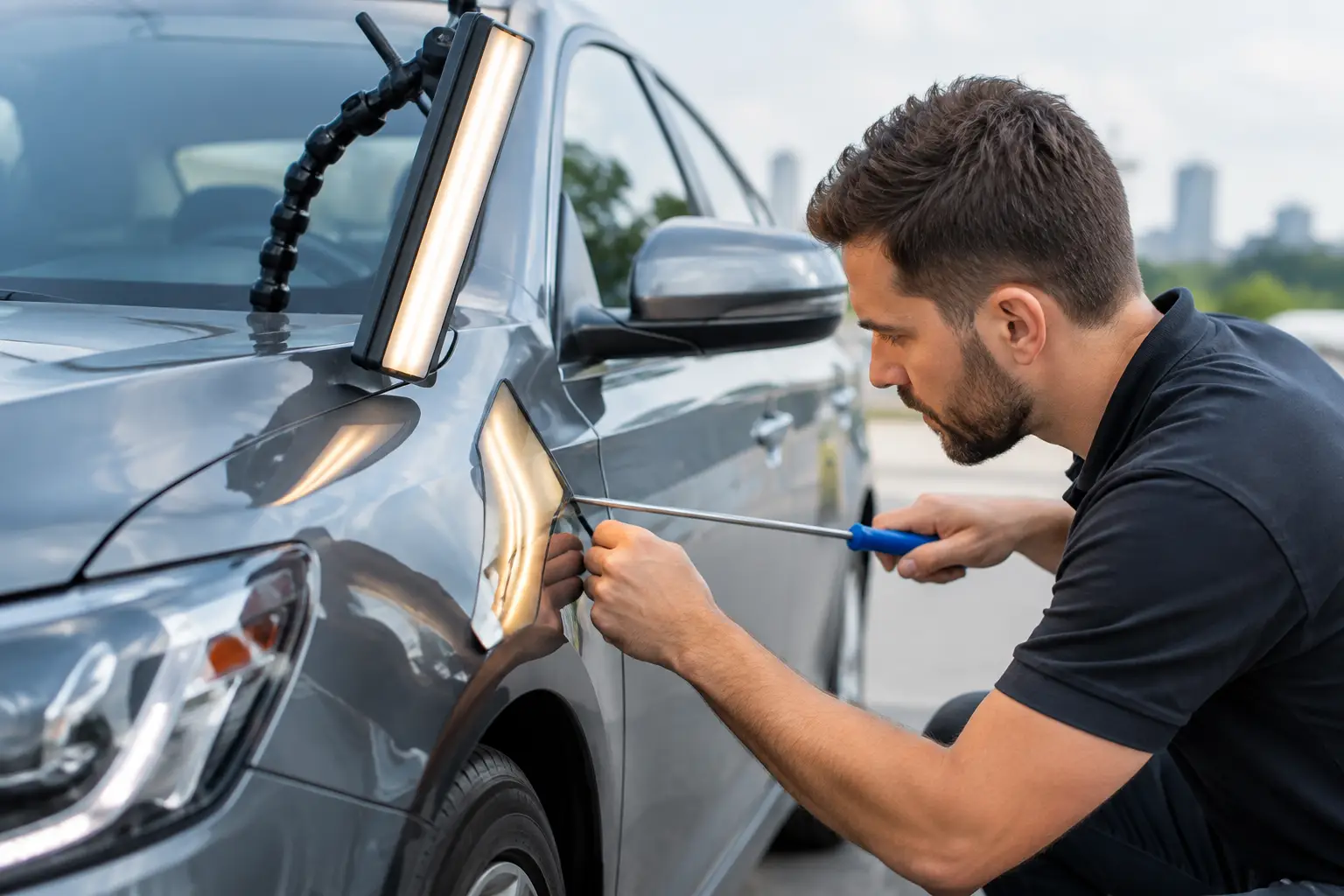
Paintless dent repair, commonly called PDR, is a specialized method of reshaping a damaged metal panel without filler, sanding, or repainting. A technician accesses the back of the panel where possible and uses precise tools to gradually massage the dent outward. In other cases, controlled pulling techniques are used from the exterior surface.
Conventional dent repair takes a different approach. The damaged area is straightened as much as possible, prepared with body filler when needed, sanded, primed, colour matched, and refinished. This process is designed for damage that affects the paint, stretches the metal, or compromises the panel beyond what PDR can correct.
Neither method is automatically better. The best option is the one that restores the panel properly without creating avoidable compromises.
When Paintless Dent Repair Is the Better Choice
PDR is often an excellent solution for small to medium dents where the factory paint is still intact. Door dings, minor parking-lot impacts, shallow round dents, and some hail damage can be strong candidates. When the paint has not cracked or chipped and the metal has not been sharply stretched, PDR can produce an impressive result.
The greatest advantage is paint preservation. Factory paint is applied under controlled manufacturing conditions and is generally more durable than an aftermarket refinish. Keeping that original finish means there is no concern about colour blending across adjacent panels, clear-coat texture differences, or paint curing time.
PDR can also be quicker than conventional repair. A simple dent may be completed in a fraction of the time required for bodywork and refinishing. That can be particularly helpful for busy households, commuters, and local businesses that rely on their vehicles every day.
Because it uses fewer materials and less labour-intensive refinishing, PDR may cost less for suitable damage. That said, price should not be the only deciding factor. A difficult dent near a body line, panel edge, or reinforced section can require considerable skill and time, even when paintless repair is possible.
When Conventional Body Repair Delivers Better Results
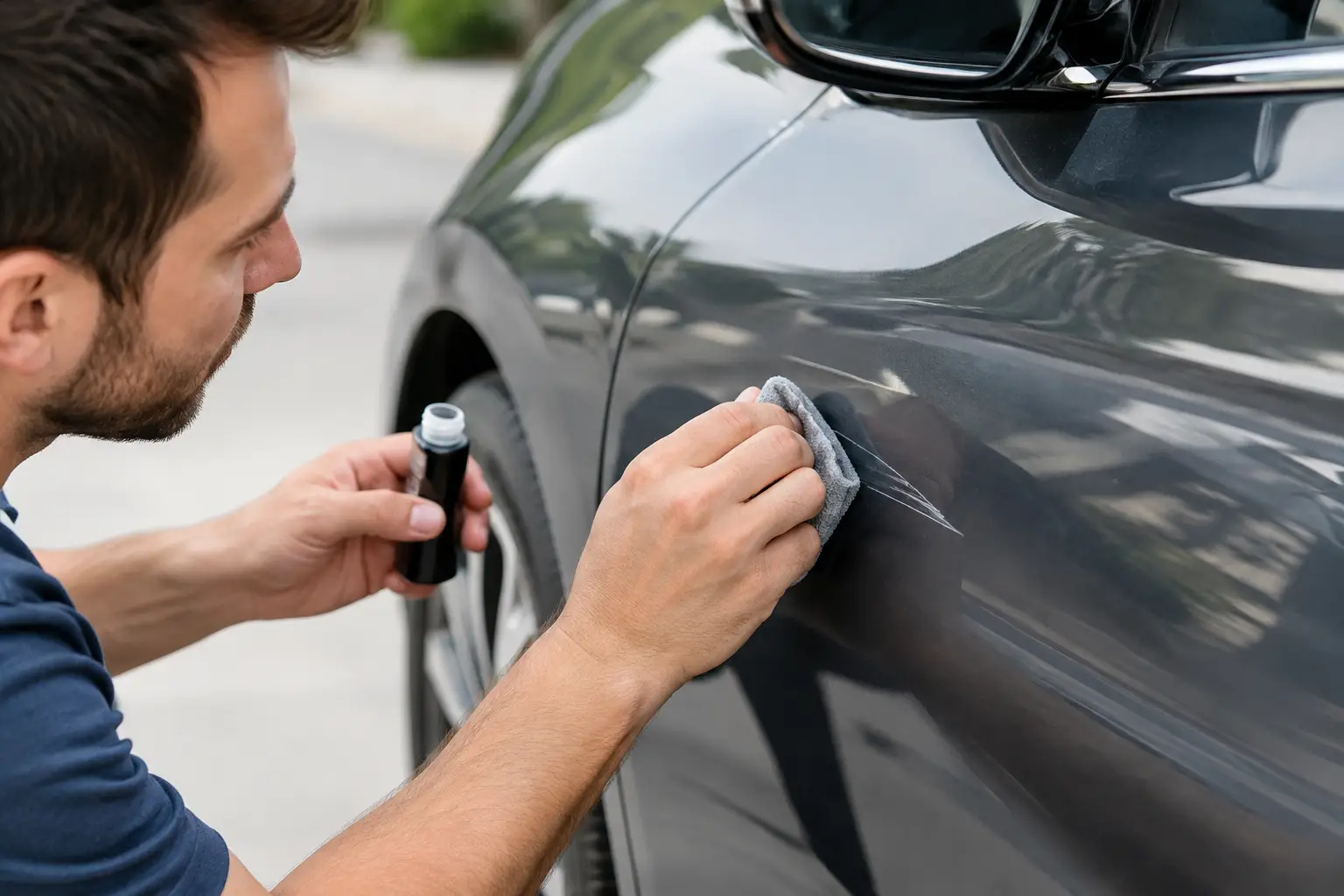
If the paint is cracked, scraped, gouged, or missing, paintless dent repair alone is not enough. Exposed metal can begin to corrode, especially after repeated exposure to road salt and moisture. The dent may be improved with PDR techniques in some cases, but the panel will still require proper preparation and refinishing to seal the damaged surface.
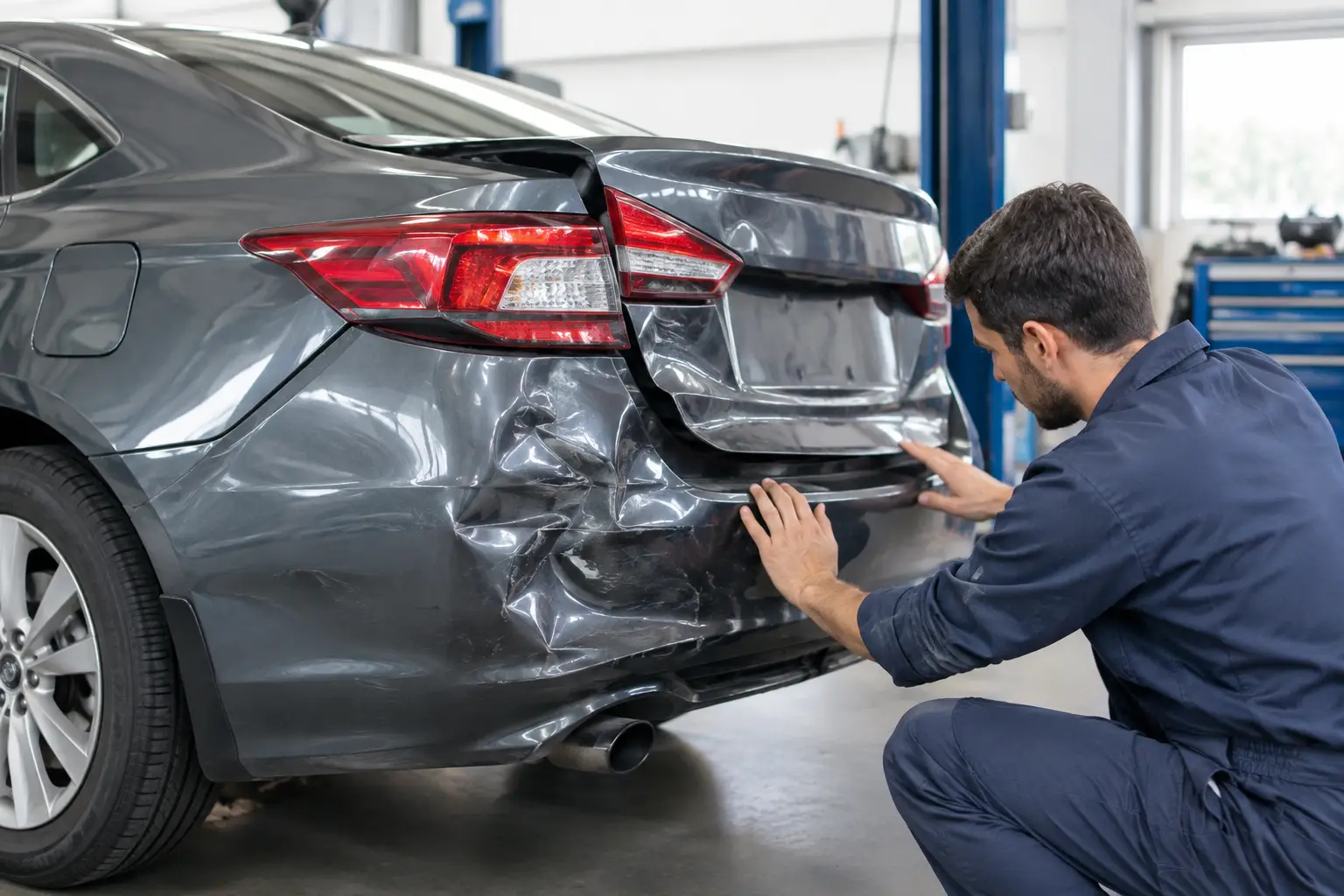
Conventional repair is also the better choice for dents with sharp creases, heavily stretched metal, collision damage, or distortion around panel edges. A technician must consider what is happening beneath the visible dent. Reinforcement braces, damaged mounting points, broken clips, and hidden structural concerns may affect the proper repair plan.
Modern vehicles add another consideration: sensors and advanced driver-assistance systems. A bumper impact that appears minor may involve parking sensors, radar components, camera mounts, or energy-absorbing materials behind the cover. Cosmetic repair should never overlook safe operation or the need for calibration after a collision-related repair.
Conventional bodywork is often the more complete route when a panel needs to be restored, protected, and refinished to a like-new appearance. A quality repair includes careful colour matching and blending where required, not simply covering the damaged area with paint.
What Determines Whether a Dent Can Be Repaired Without Paint?
The condition of the paint is the first question, but it is not the only one. Experienced technicians assess the depth, location, shape, and access behind the dent before recommending a method.
A shallow dent in the centre of a door skin is generally easier to repair than a deep impact on a sharp character line. Body lines give a vehicle its shape and reflect light differently than a flat panel. Restoring them cleanly requires precision, and some damage may still show a slight imperfection if the metal has been overstressed.
Material matters as well. Steel, aluminum, and high-strength panels respond differently to repair techniques. Aluminum is lighter and widely used on newer vehicles, but it can be less forgiving when it is stretched or creased. Access can be limited by interior trim, window mechanisms, sound insulation, braces, and electrical components.
The age and condition of the existing paint also play a role. Factory paint in good condition is ideal for PDR. Older paint, previous refinishing work, peeling clear coat, or hidden prior damage can increase the risk of cracking during the repair process. A reputable shop will identify those concerns before work begins rather than promising a result that the panel cannot realistically support.
Cost, Time, and Vehicle Value
A fair paintless dent repair comparison needs to account for the complete cost of ownership, not just the initial invoice. PDR can be highly cost-effective because it avoids refinishing materials and may reduce time off the road. It is especially appealing for leased vehicles, newer vehicles, and owners who want to retain the original finish.
Conventional repair may cost more because it involves additional labour, materials, and paint processes. Yet it can be the better value when paint damage or panel distortion is present. Leaving cracked paint untreated to save money can lead to corrosion and a much larger repair later.
For insurance-related work, the estimate should reflect the actual damage and the repair method required to restore the vehicle properly. Some minor dents may fall below a deductible, while collision damage involving multiple panels, sensors, or paintwork may warrant an insurance claim. A professional assessment gives you a clear basis for that decision.
Vehicle value is another practical concern. Poorly matched paint, visible filler work, or lingering ripples in a panel can affect how a vehicle presents at trade-in or private sale. On the other hand, preserving clean original paint through PDR can be a meaningful advantage when the damage qualifies.
Questions to Ask Before Approving a Dent Repair
Before authorizing work, ask whether the paint is intact, whether the panel can be accessed safely, and whether the damage has affected any sensors, trim, or internal components. You should also ask what level of result is realistic. The right answer may be a near-perfect PDR outcome, a full refinishing repair, or a combination of both.
It is worth confirming how the shop will protect surrounding panels, handle colour matching if paint is required, and inspect for hidden damage. A low quote that overlooks preparation or corrosion protection can become expensive later. Clear communication is part of quality workmanship.
At ASC Auto Body & Sales, our technicians assess dents in the context of the whole vehicle, not just the visible mark. With more than 20 years of Hamilton experience, we help drivers choose a repair approach that supports both a clean finish and dependable road readiness.
Do Not Wait on Paint Damage
A dent with intact paint can often remain a cosmetic concern for a time. A dent with chipped or cracked paint deserves faster attention. Once bare metal is exposed, moisture and salt can work beneath the finish, causing corrosion that spreads beyond the original damaged area.
This is particularly relevant after winter driving. Washing away salt is helpful, but it cannot replace repairing damaged paint or sealing an exposed panel. Addressing the problem early usually provides more repair options and helps maintain the vehicle’s appearance.
The best repair begins with an honest inspection. If paintless dent repair can protect your factory finish and restore the panel cleanly, it is an excellent option. If the damage calls for conventional bodywork and refinishing, choosing a precise repair now will help your vehicle continue to look right and perform safely on Hamilton roads.