

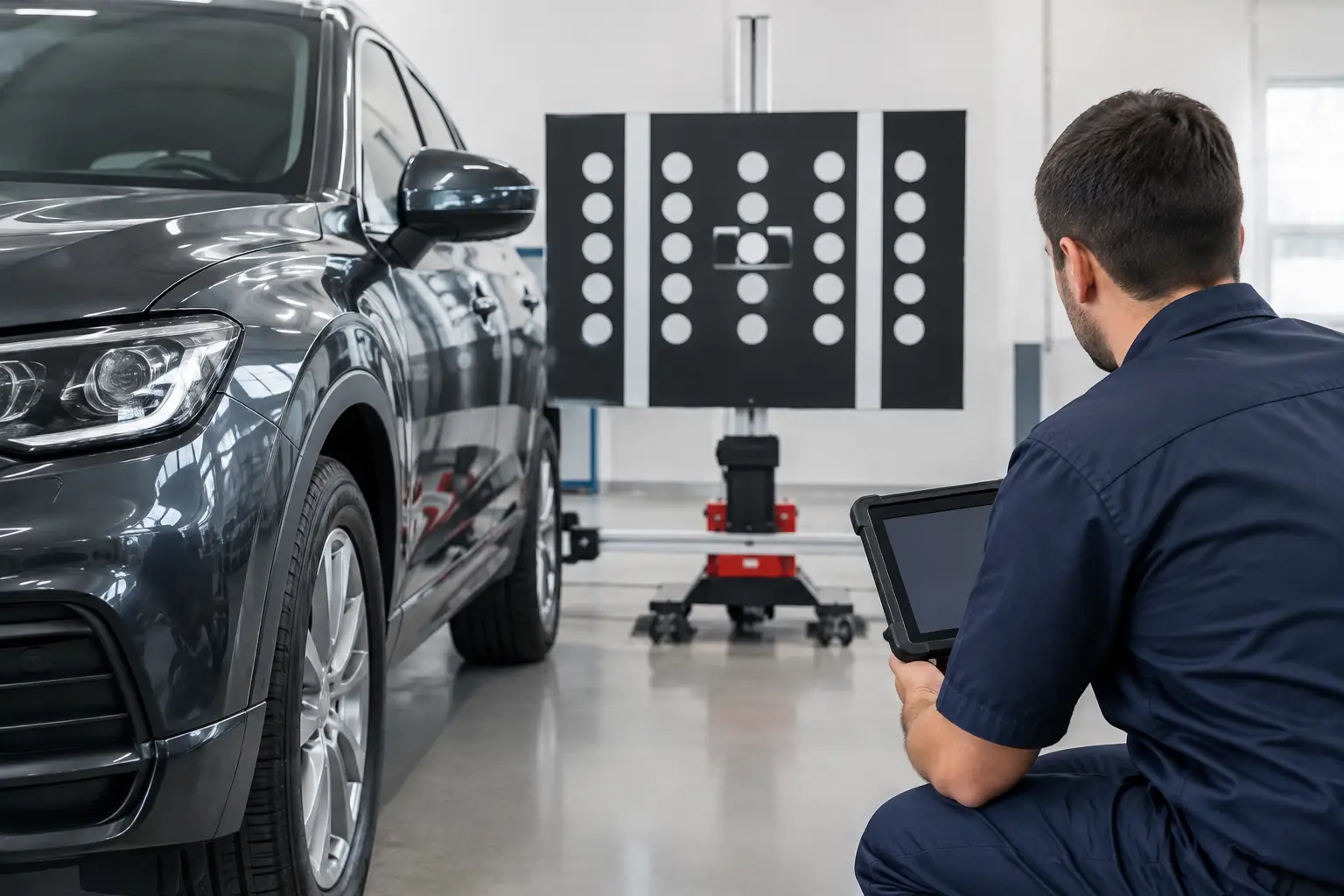
A small bumper impact can affect far more than paint and plastic. Behind the grille, windshield, mirrors, and bumper covers, many modern vehicles carry cameras, radar units, ultrasonic sensors, and control modules that support safety features. Advanced driver assistance calibration helps ensure those systems are correctly aimed and communicating as intended after repairs.
For Hamilton drivers, this is not an optional finishing touch after collision work. It is part of restoring a vehicle to safe, dependable road-ready condition. A warning light may be obvious, but a system can also require calibration without displaying a clear fault. That is why proper repair planning matters after an accident, windshield replacement, suspension repair, or wheel alignment.
What Advanced Driver Assistance Calibration Does
Advanced driver assistance systems, often called ADAS, are designed to assist the driver – not replace an attentive driver. Depending on the vehicle, these features may include forward collision warning, automatic emergency braking, lane departure warning, lane-keeping assistance, adaptive cruise control, blind-spot monitoring, parking assistance, and rear cross-traffic alerts.
Each feature relies on precise information. A forward-facing camera needs to know exactly where the vehicle is travelling. A radar sensor behind the front bumper needs to be positioned correctly relative to the vehicle centreline and ride height. If a sensor is shifted by even a small amount, the system may interpret distances, lane markings, or surrounding traffic differently than the manufacturer intended.
Calibration is the process of verifying and resetting those sensor positions according to vehicle-specific procedures. Technicians use diagnostic equipment, measurement tools, targets, controlled shop conditions, and, where required, a road test. The goal is not simply to clear a dashboard message. The goal is to confirm the vehicle’s driver-assistance systems have the correct reference points after work has been completed.
Repairs That Can Require ADAS Calibration
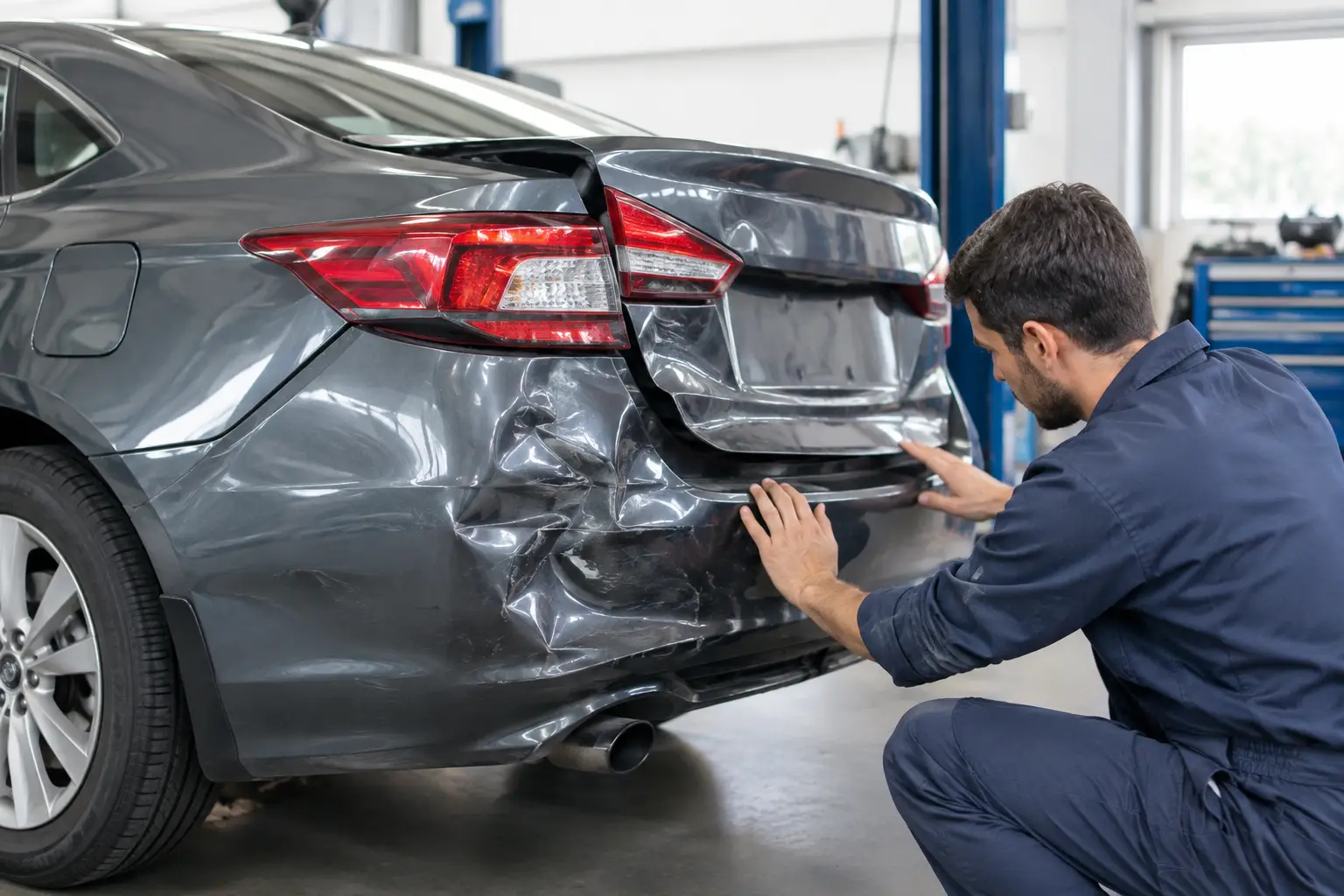
Collision damage is a common reason for calibration, particularly when repairs involve the front bumper, grille, headlights, mirrors, windshield, rear bumper, suspension, steering, or wheel alignment. Yet a dramatic accident is not required. A minor parking-lot impact can affect a bumper-mounted sensor or radar bracket without leaving major visible damage.
Windshield replacement is another frequent trigger. Many vehicles house a forward-facing camera near the rear-view mirror. When the glass is removed and replaced, that camera may need calibration before lane or collision-related functions can be relied upon. The same applies when a camera, radar unit, sensor bracket, bumper cover, or mirror assembly is replaced.
Mechanical work can matter too. Changes to ride height, steering geometry, wheel alignment, suspension components, or tire size can influence how a vehicle’s systems read the road. This does not mean every oil change requires calibration. It means the repair process must follow the vehicle manufacturer’s requirements instead of assuming that a sensor is unaffected because it still appears intact.
Static and Dynamic Calibration Are Not the Same
Calibration methods vary by make, model, year, and installed equipment. Some vehicles require static calibration, performed in a carefully controlled service-bay environment. The technician positions calibrated targets at exact distances and heights, then uses diagnostic equipment to guide the vehicle through its required procedure.
Other vehicles require dynamic calibration. This involves driving the vehicle under specified conditions so the system can recognize lane markings, road features, traffic patterns, or other reference points. Road type, speed range, weather, lighting, and traffic can all affect whether a dynamic procedure can be completed properly.
Many vehicles require both methods, while others use a different manufacturer-specific process. This is why a one-size-fits-all approach is not enough. A capable repair facility begins by identifying the vehicle’s equipment and repair history, then follows the required procedure for that specific vehicle.
Why Calibration Belongs in the Repair Plan
It can be tempting to view calibration as an added line on a repair estimate. In reality, it is connected to the quality of the entire repair. A bumper can look excellent after refinishing, but its appearance alone does not confirm that the radar behind it is correctly aligned. A new windshield can be crystal clear, but the camera attached to it may still require a precise reset.
Proper collision repair considers both visible and electronic damage. Technicians should inspect for diagnostic trouble codes, confirm which systems are installed, assess whether brackets or mounting points have been affected, and identify calibration requirements before the vehicle is returned to service. In some cases, a pre-repair diagnostic scan helps reveal faults that would otherwise be missed. A post-repair scan and calibration record help confirm that the appropriate work has been completed.
There are trade-offs to consider. Calibration requires specialized equipment, space, trained technicians, and time. Dynamic calibration can also depend on suitable road and weather conditions. However, skipping a required procedure to save time or reduce an estimate can create uncertainty around safety features the driver expects to work properly.
Signs Your Vehicle May Need Calibration
A dashboard warning message is the clearest sign, but it is not the only one. If collision repairs, glass replacement, alignment work, or suspension repairs have recently been performed, it is reasonable to ask whether ADAS calibration applies to your vehicle.
Drivers may also notice that a feature has become unavailable, a parking sensor gives unexpected alerts, lane assistance behaves inconsistently, or adaptive cruise control does not operate as expected. These symptoms do not automatically prove calibration is the cause. Dirt, snow, ice, damaged wiring, a failed component, or a stored fault code can create similar issues. A professional inspection is the right way to identify the actual concern.
Keeping camera lenses, radar areas, and sensors clean is also practical. Ontario winter road spray, slush, ice, and salt can temporarily block sensors. If an alert disappears after cleaning, the system may simply have lacked a clear view. If the warning remains, or follows a repair or impact, the vehicle should be inspected rather than ignored.
Precision Starts Before the Vehicle Enters the Paint Booth
Advanced systems make repair sequencing especially important. Before a bumper is refinished or reinstalled, the shop may need to inspect hidden brackets, mounting points, wiring, and sensor locations. Before calibration, a vehicle may need correct tire pressures, a proper wheel alignment, the right ride height, and a level surface. Seemingly routine details can affect the result.
This is also why replacement parts and installation quality matter. A bent bracket, poor fitment, incorrect fastener, or misaligned bumper cover can interfere with a sensor’s position. The repair should restore the vehicle structurally and cosmetically before calibration is performed. Calibration cannot compensate for damaged mounting hardware or unfinished mechanical work.
At ASC Auto Body & Sales, collision repair, refinishing, glass work, diagnostics, and mechanical service can be coordinated with the larger goal in mind: restoring a vehicle that looks right, drives properly, and supports the safety systems it was built with.
Questions to Ask After a Collision or Glass Repair
When discussing a repair, ask whether your vehicle has cameras, radar, parking sensors, or driver-assistance features that may require inspection. Ask whether diagnostic scans will be completed and whether calibration is required following the planned repairs. If calibration is needed, ask whether it will be static, dynamic, or both, and whether documentation will be provided.
For insurance-related repairs, clear communication is equally valuable. The repair plan should account for procedures required by the vehicle manufacturer, not just visible body damage. This helps drivers understand why a minor-looking impact may involve more than dent removal, paintwork, or a replacement bumper cover.
A vehicle’s driver-assistance features are there to support safer decisions on busy Hamilton streets, highway commutes, school runs, and workday travel. After an impact or repair, give those systems the same attention you would give brakes, tires, steering, and structural repairs. A careful inspection and the right calibration procedure can provide the confidence to get back on the road with your vehicle repaired to a high standard.